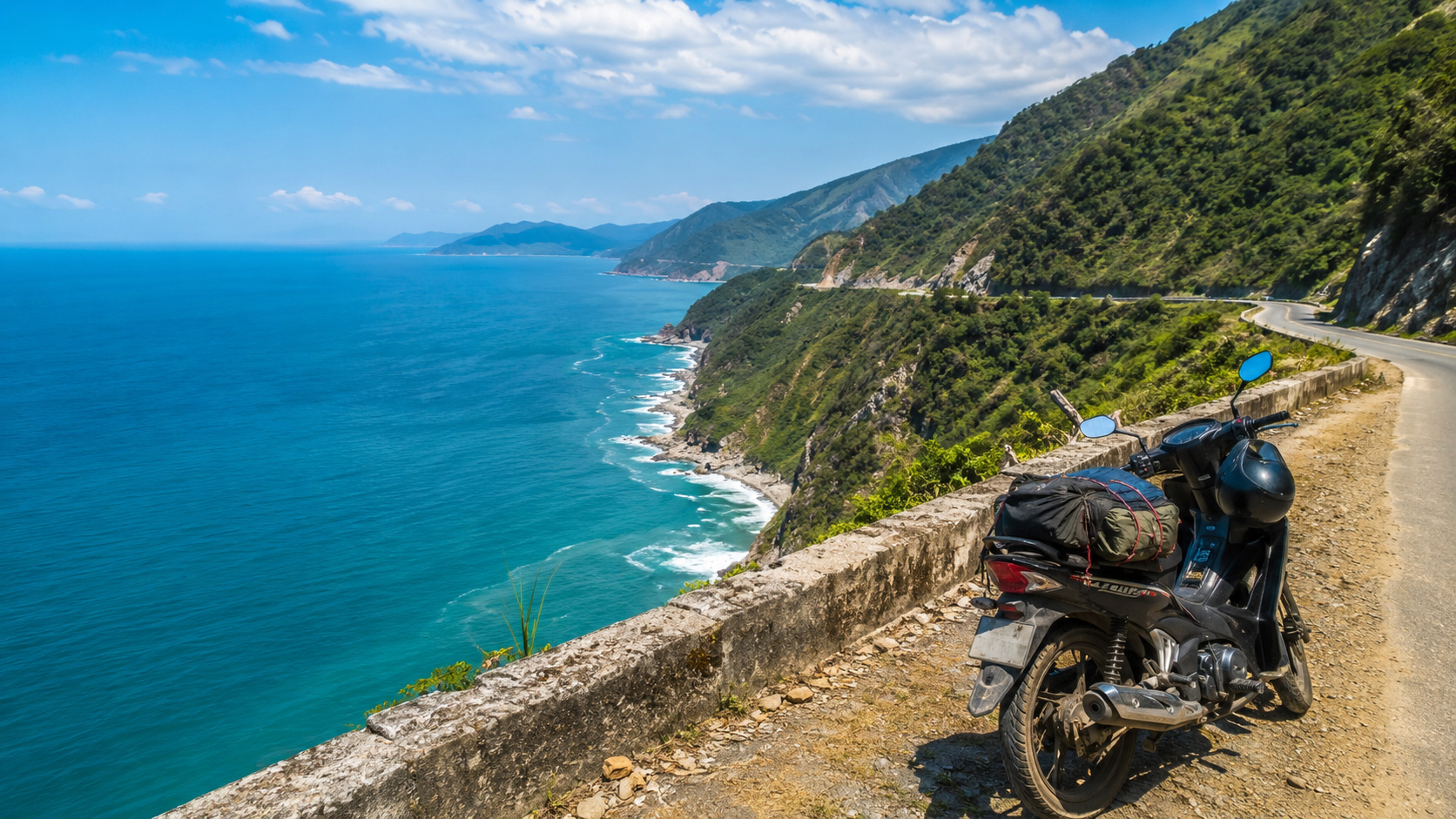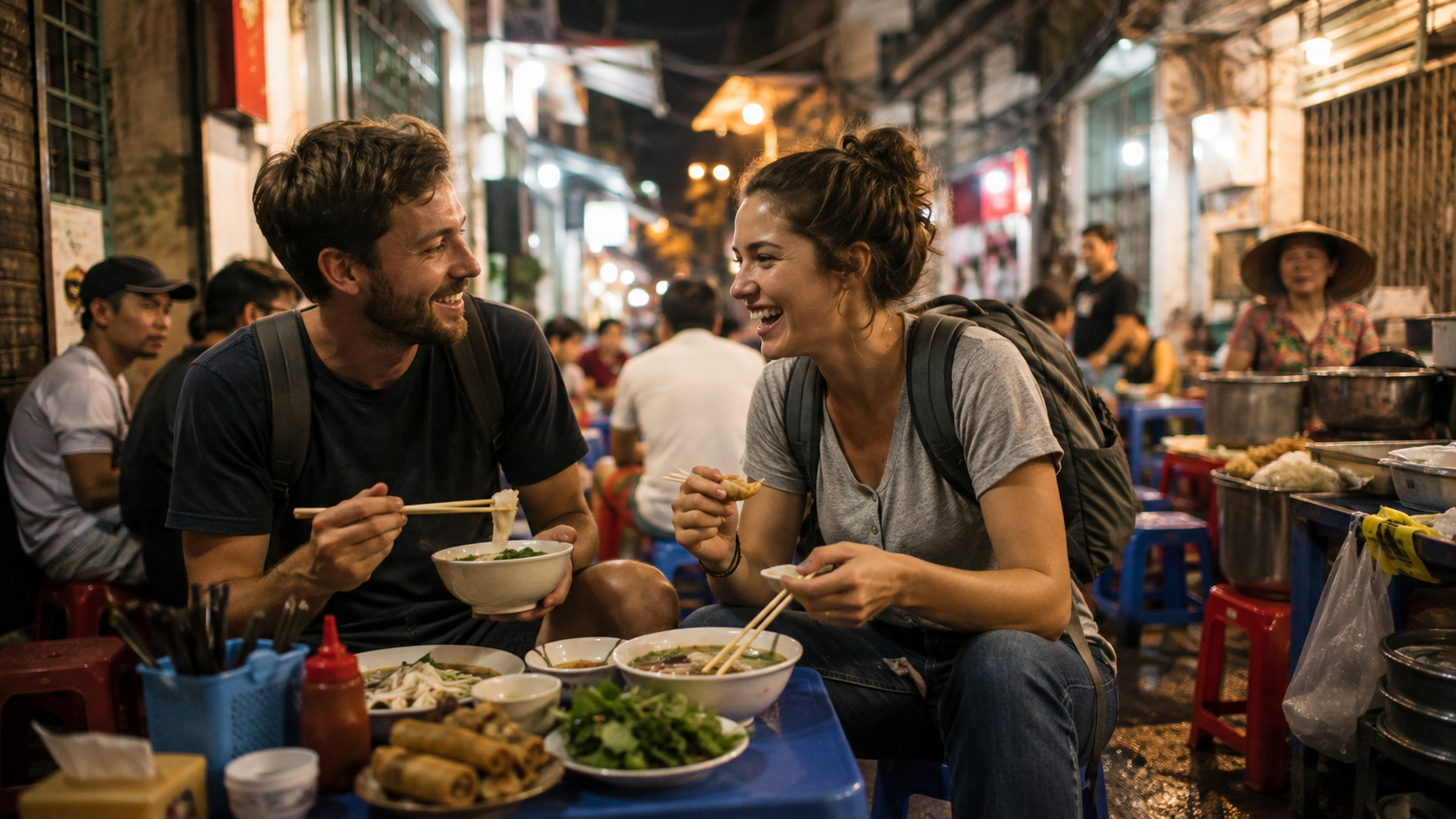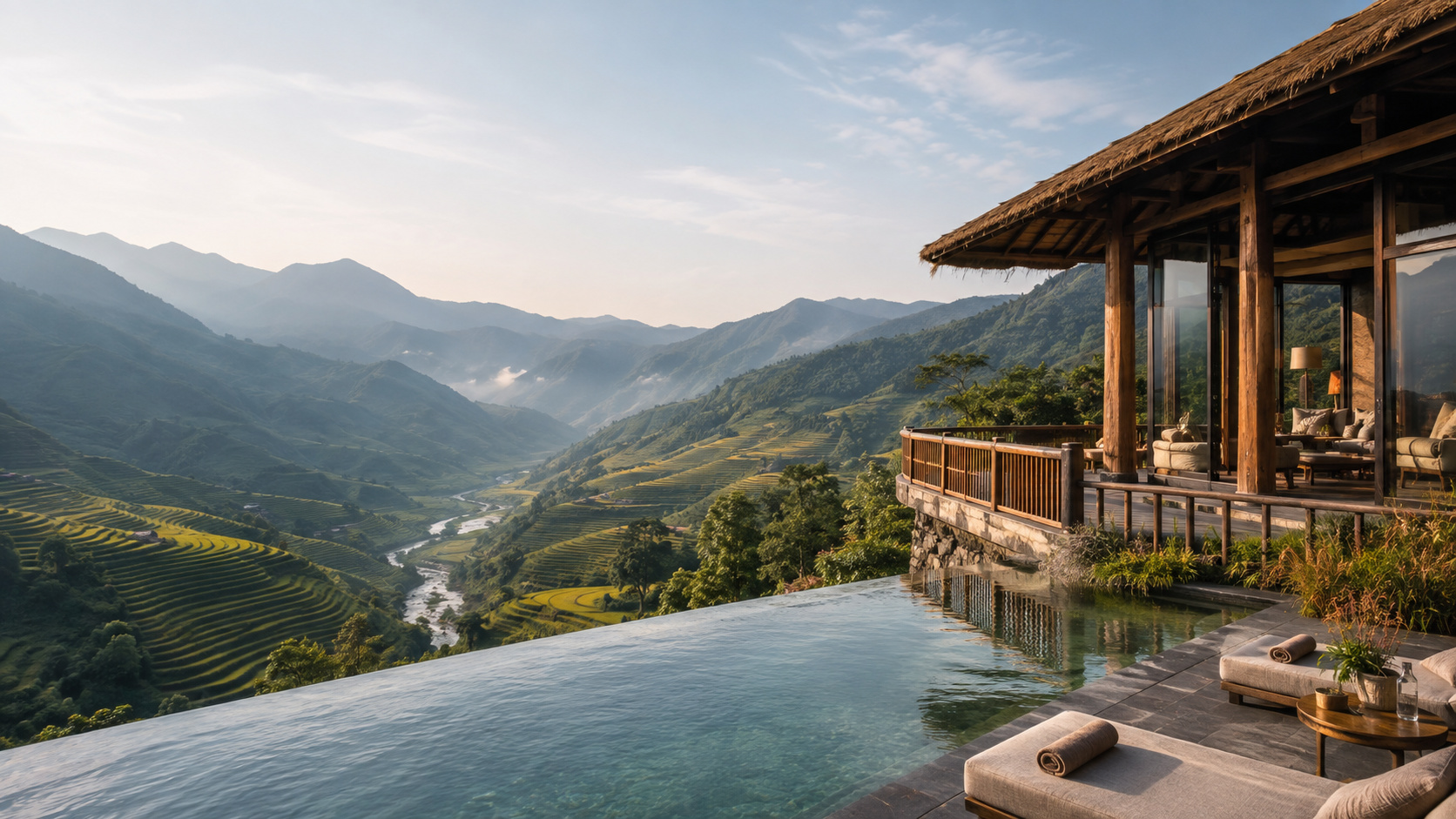


Affordable tours in Vietnam do not mean selecting the cheapest option at every stage. A programme that looks inexpensive in a quotation can still produce extra costs when the route is too wide, hotels are inconvenient, transport is poorly matched or inclusions are unclear. In contrast, a carefully prepared journey can keep spending moderate while protecting sleep, safety, cultural understanding and reasonable rest. The 15 points below help travellers review budget, route, season, accommodation, transport, meals, payment conditions and local support. When every cost has a clear purpose, proposals become easier to compare, booking decisions become more secure and the journey is less likely to generate unpleasant financial surprises after arrival.
Build the Route and Budget Before Comparing Prices
The first seven points establish the foundation of a genuinely affordable tour. Travellers should begin with their real budget, actual trip length and a route that can operate without excessive flights, hotel changes or waiting time. Vietnam offers cultural cities, mountain regions, bays, countryside and river landscapes, but costs remain manageable only when destinations follow a clear geographic sequence. Hotels, transport, guides and experiences do not need the same service level every day. Some parts directly affect sleep, safety and understanding, while others can remain simple or independent. When travellers know what must retain quality and what can be flexible, they are less likely to select a low headline price that becomes more expensive once the journey begins.
Define the Total Budget and Protected Priorities
Point one is to define the total budget before requesting a tour price, while point two is to divide that budget into essential and flexible categories. Essentials include safe accommodation, suitable transport, principal entrance tickets and the sections that require local support. Flexible items may include room upgrades, premium meals, secondary activities or shopping. This method prevents travellers from reducing every service simply to reach a lower figure. An affordable tour should protect sleep, reasonable rest and practical movement first, then optimise the parts that have less influence on the main experience. Clear priorities also make it easier to compare two quotations that distribute the same total amount in very different ways.
Reduce the Route, Stay Longer and Match the Season
Point three is to choose a compact route. Every additional destination creates transfers, luggage handling, hotel changes, tickets and waiting time. On a journey of seven to ten days, trying to cover all three regions often increases cost while reducing meaningful time in each place. Hanoi with Ninh Binh and Ha Long, or Da Nang with Hoi An and Hue, is usually easier to control because the stages follow a clear geographic sequence. Travellers can begin with an affordable Vietnam planning guide and then remove any stop that does not serve the principal interests. Efficient saving begins by eliminating unnecessary distance rather than lowering every service standard.
Point four is to establish a sensible minimum stay in each destination. A one-night stop often feels rushed and creates repeated check-in, checkout and luggage-transfer costs. Staying two or three nights in principal places helps travellers use the hotel more effectively, reduces movement and creates time for free experiences such as walking, local cafes or neighbourhood exploration. A transit point may still require one night, but the entire route should not become a chain of short stays. A practical affordable Vietnam tour budget should therefore consider the cost of changing locations, not only the nightly room rate. Fewer bases often produce better value and a calmer experience.
Point five is to match timing with both the route and the budget. Peak periods can raise hotel, domestic-flight, cruise and beach-service prices or introduce stricter cancellation conditions. A low season is not automatically better value when weather prevents the activity that motivated the visit. Vietnam has several regional climate patterns, so travellers should compare destinations individually rather than rely on one national best-season label. Official tourism guidance explains that the country contains tropical and temperate zones and that suitable conditions vary by region throughout the year. When dates are flexible, a suitable shoulder period can balance cost and comfort. When dates are fixed, the route should adapt rather than preserving every original destination.
Use Accommodation, Transport and Guides Selectively
Point six is to select hotels by location, while point seven is to use transport according to practical value. A moderate hotel near food, attractions and transport can cost less overall than a cheaper property far from the centre. On long stages, a private vehicle or flight may justify its price by reducing fatigue and saving time, while historic centres can often be explored on foot. Vietnam Tourism describes domestic flights, trains, buses and urban transport as widely available options and advises early train booking during holidays and peak periods. Travellers should compare the full journey time, luggage conditions and connection risk instead of choosing transport from the ticket price alone.
An affordable tour does not require a guide every day, but culturally complex places and operationally difficult routes can still benefit from professional interpretation. Travellers may retain guiding in Hanoi, Hue, Hoi An, Ninh Binh or the Mekong region, then keep shopping periods, beach time and gentle city walks independent. Paid activities should also be selective. One cooking class, boat trip, food experience or cruise placed well in the route can offer more value than a long list that creates fatigue. The operating principle is one clear focus each day, with secondary elements adjusted to energy and budget. This approach protects cultural depth without turning professional support into an unnecessary daily expense.
Confirm Services and Prevent Additional Costs
The remaining eight points move from route design to booking control and day-to-day operation. An affordable tour becomes clear only when the quotation identifies hotels, room categories, transport, guides, tickets, meals, activities, exclusions and change conditions. Booking timing also affects value, especially for domestic flights, cruises, beach destinations and holiday periods. Travellers should then prepare a reserve, make practical food choices and maintain one support contact throughout the route. These steps prevent numerous small expenses from weakening the original budget. They also make comparison easier because two proposals with similar totals may provide very different levels of convenience, local support and financial certainty once all inclusions and exclusions are examined.
Read the Quotation, Exclusions and Change Conditions
Point eight is to read the inclusion list carefully. A quotation should identify hotel names, room categories, breakfast, transport, guides, tickets, cruises, meals and special activities. Descriptions such as good-standard hotel or equivalent service are insufficient for comparison. Travellers should ask about pickup time, vehicle type, guest numbers in shared activities and payments required locally. A detailed review of affordable tour booking checks can help reveal gaps before a deposit is paid. When each item has a concrete description, the total begins to represent the real service. This process also exposes low-looking proposals that exclude components the traveller will still need to purchase later.
Point nine is to examine exclusions. Tips, drinks, independent meals, insurance, visas, single-room supplements, luggage, overtime transport and change fees can increase the real budget. Estimate them before confirmation rather than managing them during the trip. Independent meals can still create value because Vietnamese food ranges from simple street dishes to modern dining and varies noticeably by region. Official tourism resources emphasise this diversity, which allows couples, families and friends to choose according to appetite and spending level. Keep a realistic daily allowance, confirm prices before ordering items sold by weight and communicate allergies clearly. Independent food should create flexibility, not become an unrecorded expense that weakens the tour budget.
Point ten is to confirm payment, change and cancellation conditions. The quotation should state deposit deadlines, remaining balances, refundable amounts, date-change fees and the response when weather cancels an activity. Hotels, flights and cruises may follow different rules, so one general sentence cannot describe the whole tour. When a principal service becomes unavailable, the organiser should present the replacement and any price difference before confirmation. Transparent conditions allow travellers to understand risk and avoid unexpected charges near departure, when alternatives are limited. They also make comparison more accurate because one lower proposal may carry restrictive terms that are less suitable than a slightly higher option with reasonable flexibility.
Book the Right Services, Keep a Reserve and Plan Meals
Point eleven is to book the services most likely to increase in price, while point twelve is to maintain a reserve. Domestic flights, Ha Long cruises, beach hotels and family rooms may have limited suitable inventory during busy periods. Early booking can protect location and conditions, while secondary activities may remain flexible until closer to travel. The reserve should cover short taxis, laundry, additional meals, transport changes or a weather-adjusted day. A reserve does not make the tour less affordable. It prevents a small operational issue from becoming financial pressure that forces travellers to reduce essential needs. The amount should sit outside the planned activity budget so that using it does not immediately remove a principal experience from the route.
Point thirteen is to plan meals according to the daily rhythm. Every meal does not need to be included because free periods in Hanoi, Hoi An or Ho Chi Minh City can support independent choices. Long transfer days, cruises and locations with limited services are more comfortable when meals are arranged in advance. This combination controls spending while preserving local discovery. Vietnam Tourism presents street food as widely available and closely linked to local eating times, so travellers should consider when vendors and simple restaurants are most active. Use markets, busy local eateries or guide recommendations, confirm prices and communicate dietary restrictions. Flexible dining works best when it is planned as a choice rather than left as an unresolved daily problem.
Maintain One Support Contact Throughout the Journey
Point fourteen is to maintain one support contact, while point fifteen is to provide complete information from the beginning. The organiser should receive travel dates, group size, ages, arrival and departure airports, budget, hotel expectations, priority places and non-negotiable needs. A personalised affordable tour proposal can then test the route against season, transfer time and service availability. When a change occurs, one coordinator should understand the entire itinerary, explain alternatives and confirm costs before the traveller decides. The clearer the initial information, the more accurate the quotation becomes. A good affordable tour offers not only a controlled price but also clear responsibilities, realistic support and fewer surprises during travel.
Prepare an Affordable Vietnam Tour with Real Value
Affordable tours in Vietnam depend on 15 connected points rather than one low price viewed in isolation. Travellers need to define the budget, reduce unnecessary distance, select sensible stay lengths, match the season, prioritise hotel location and use transport or guides where they create real value. They should also read every inclusion, exclusion and change condition carefully. A reserve, practical meal planning and one support contact determine whether the journey remains comfortable when real conditions differ from the quotation. Tradition Việt can use the travel dates, group profile, budget and genuine priorities to prepare a clear route that protects important quality while removing costs that do not improve the experience.
Tradition Việt contact information
Hotline: (+84) 967 04 88 91 / (+84) 376 304 008
Email: info@traditionviet.com
Address: CT2A Hanoi Homeland, Hanoi, Vietnam