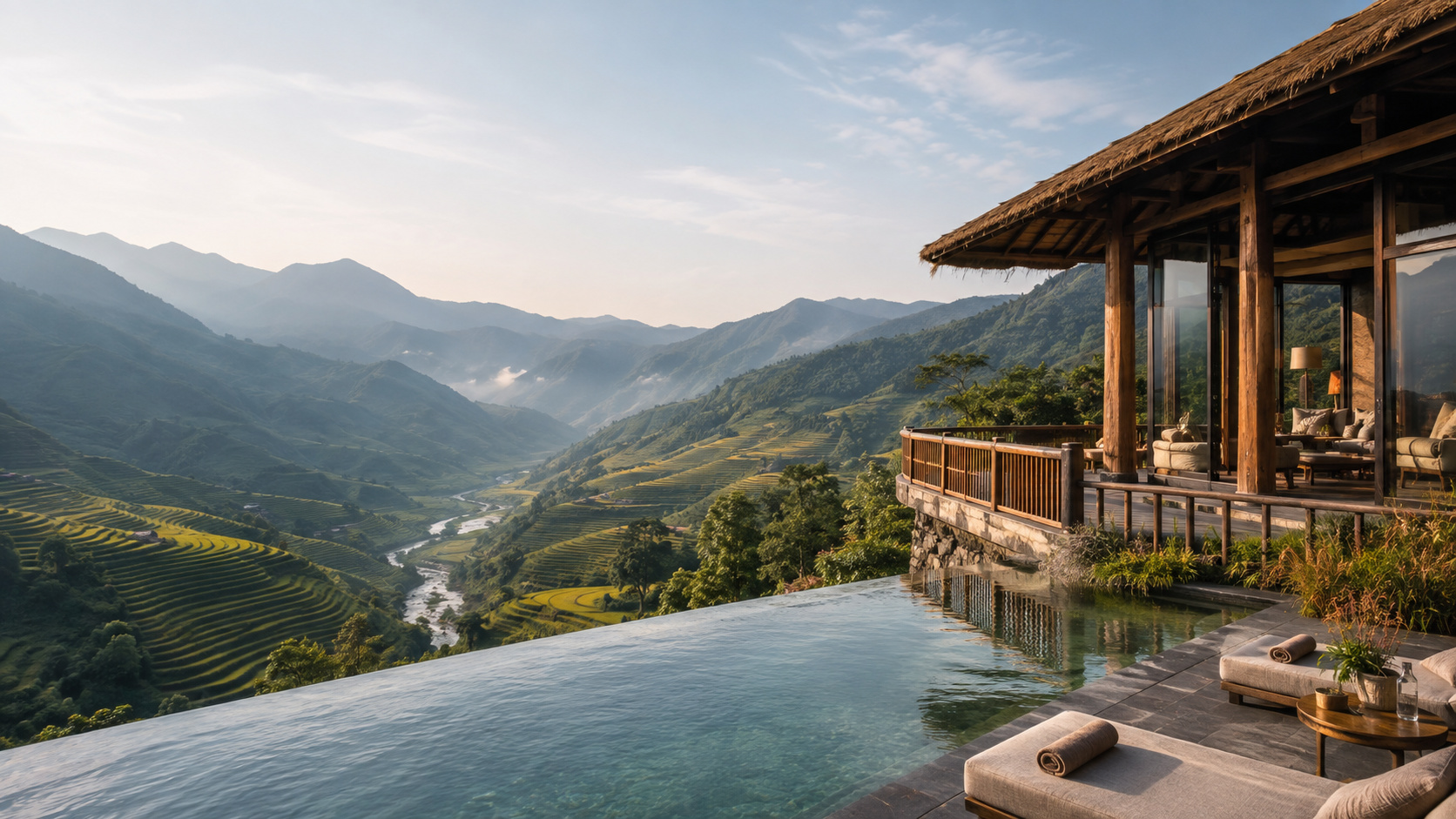


A first trip to Vietnam usually comes with a long list of questions. Which month should you choose? Is it realistic to combine the north, centre and south in one holiday? Should you focus on heritage, landscapes or a few days by the sea? For first-time travellers, the real challenge is rarely finding a perfect month in absolute terms. What matters more is choosing a period that feels manageable, comfortable and rewarding from the first day onward. Vietnam stretches across a long north-south axis, so weather patterns vary sharply by region. The most useful starting point is not a generic answer for the whole country, but the kind of first impression you want to take home: cultural depth, iconic scenery, relaxed pacing, or a balanced mix of discovery and rest.
For many first-timers, the safest windows are the ones that make outdoor sightseeing easier, keep long transfers more bearable and allow two or three regions to work together in a single itinerary. March to April, and again late October to early December, are often easier periods to build around because they can combine places such as Hanoi, Ninh Binh, Ha Long Bay, Hue, Hoi An, Ho Chi Minh City or the Mekong Delta with less friction. Still, there is no single formula for everyone. A couple seeking a scenic honeymoon, a family travelling with children, and a traveller who mainly wants cafés, old quarters and local life will not make the same decision. A good first trip begins when your travel season matches your real expectations rather than a generic checklist.
How first-time visitors can choose the right season for the experience they want
The easiest periods if you want to see several signature regions on one first trip
Many first-time visitors want their first Vietnam journey to include the country’s most recognisable contrasts in one flow: Hanoi’s old quarters, the limestone landscapes of Ha Long Bay or Ninh Binh, the heritage atmosphere of central Vietnam, and perhaps a final stretch in the south for urban energy or delta life. To combine those pieces without exhausting yourself, it helps to travel in a period when conditions feel reasonably balanced across several regions. Early to mid-spring often works well for that kind of multi-stop trip because walking days are more pleasant and travel days tend to feel less demanding. On a first trip, the sense that everything is moving smoothly matters more than trying to squeeze in every famous name on the map.
The right travel window makes the beginning of the journey gentler. When you are still adjusting to a new time zone, new food, new traffic rhythms and longer sightseeing days, excessive heat or heavy humidity can drain your energy quickly. That is why first-timers usually benefit from an itinerary with a moderate pace, clear sightseeing days and small recovery spaces between them. You might begin in the north for three or four nights, continue to central Vietnam for another few nights, then finish in the south if you want a more rounded overview. Choosing the right season will not remove every variable, but it can make your first impression of Vietnam calmer, brighter and far more enjoyable.
When to go if culture, walking and scenery matter more to you than a long beach stay
Some travellers are initially drawn to Vietnam by beautiful beach images, but once they describe the trip they really want, the priorities look different. They are imagining old streets, markets, historic towns, cafés with character, mountain or river scenery, and long days outside rather than a resort-led holiday. If that sounds like you, the best season is usually the one that supports walking, outdoor visits and unhurried exploration. A good day in Hanoi, Hue or Hoi An is not simply about sunshine. It is about being able to spend hours outside comfortably, stop for lunch on a terrace, wander again in the late afternoon, and still enjoy the evening without feeling worn down.
For travellers who are more interested in culture and landscapes than in beach time, it makes sense to avoid two extremes: very intense heat and periods of persistent rain that can break the flow of outdoor days. You do not need to chase a mythical best month for the entire country. A more useful approach is to decide which region sits at the heart of your first journey, then choose the season when that region works most smoothly for sightseeing. For many first-time visitors, a north-and-centre route during a milder period creates a particularly satisfying introduction: photographs look clearer, walks through heritage areas feel more comfortable, and transitions between places do not interrupt the pleasure of discovering them.
Which season works better if you want to add a few restful beach days to your first Vietnam trip
Some first-time travellers do not want their journey to Vietnam to be only about seeing places. They also want a few days when the body can slow down and the holiday becomes more restorative. In that case, the question is no longer just about weather in one city or one heritage region. It becomes a question of how well your discovery days and your rest days fit together. A common pattern is to begin with cultural stops such as Hanoi, Ninh Binh, Hue or Hoi An, then finish by the sea. For that kind of itinerary, the timing of the beach portion matters greatly because rough seas, grey skies or strong winds can weaken the softer ending that many first-timers are hoping for.
Popular coastal choices such as central Vietnam or Phu Quoc do not share the exact same ideal season, so the better question is not “When is beach season in Vietnam?” but “Which beach destination should close my itinerary?” If you want your first trip to combine cultural depth and genuine rest, it often helps to fix the main discovery section first and then choose a beach stay that matches the calendar of that route. This creates a more coherent journey. You are no longer chasing the weather of too many places at once, and you still preserve a gentle final chapter that leaves you with the sense of a full, satisfying first experience of Vietnam.
How to plan your first Vietnam trip in a practical way so it feels easier and less tiring
Why first-time visitors usually do better with a simpler route instead of trying to cover everything
A common mistake on a first Vietnam trip is trying to include too many regions in one go. On the map, flying from north to south and adding a few detours can seem manageable. In reality, every hotel change, airport transfer, domestic flight, weather adjustment and mealtime shift takes energy. Seasoned travellers may absorb that more easily. First-timers often feel the fragmentation much more strongly. That is why a smart first route is usually built around a clear line, such as north and centre, or north to south without unnecessary backtracking, instead of trying to collect every major highlight in one holiday.
A simpler route allows each destination to breathe. Hanoi deserves time for quiet mornings and slow observation, Ninh Binh or Ha Long Bay need space for the scenery to settle in, and Hue or Hoi An become richer when you are not rushing from one sight to the next. Once the route is simpler, the season also becomes easier to choose because you are solving a narrower weather question. A first trip does not need to prove anything. It needs to be well judged, emotionally satisfying and comfortable enough to make you want to return for a deeper journey later on.
How to choose the right trip length and the right amount of downtime on your first visit
The best season only delivers its full value when the journey is built around a realistic travel length. Many travellers are tempted to fill every day because the country offers so much, but a first visit to a new destination usually requires more breathing space than expected. You need time to adapt to local flavours, urban energy, the way people move through the streets, the pace of sightseeing and the differences between regions. A trip of around ten to fourteen days is often a comfortable first framework because it gives you enough time to feel Vietnam properly without forcing you into an overloaded schedule. In practice, comfort often comes from recovery space as much as from good weather.
Pay particular attention to transition days. A day that includes a domestic flight, a new hotel check-in and a gentle evening walk should still count as a semi-rest day, not as a full sightseeing day. If you are travelling with children or older family members, those pauses matter even more. This is one reason many travellers judge their first trip a success not by the number of places covered, but by how well they were able to enjoy each one. When the season is sensible and the schedule has enough room, Vietnam feels welcoming, easier to read and much more emotionally rewarding.
When it makes sense to ask for advice early so you can lock in season, route and budget with confidence
For first-time visitors, asking for advice early is not an unnecessary step. It is often the easiest way to make two big decisions at once: choosing the period that fits your travel style and building a route that works with your real number of days. This matters even more if you hope to travel during busy months, want charming accommodation in good locations, or need to combine several domestic flights. Instead of reading dozens of similar articles and still hesitating between nearby months, you can begin with a few clear priorities: are you looking for heritage, scenery or beaches, do you prefer a gentle or fuller pace, what budget range feels right, and do you need a tailor-made trip for a couple, a family or a multi-generation group?
A useful consultation often reveals which version of the trip is actually the strongest for you. Some travellers should move their departure two weeks earlier for more comfortable conditions. Others should remove one famous stop and replace it with a lighter, more rewarding sequence. Some are better served by focusing on one half of the country rather than stretching the route too far. Adjustments like these do not make the trip less exciting. They make it more mature, more coherent and better value overall. If you are hesitating between a few months, this is a good point to share your outline and receive clear, practical guidance before you book.
Mid-article CTA: If you are hesitating between a few months, share your preferred travel period, trip length and travel style to receive a more practical first-trip recommendation.
FAQ
Which part of Vietnam is best for a first visit?
If you want a well-rounded introduction, many travellers do well with a north-and-centre route or a simplified north-to-south itinerary. If your holiday is short, it is better to focus than to rush.
Can I visit Vietnam in summer for my first trip?
Yes, but the route should be chosen more carefully and the sightseeing load should be adjusted. If you dislike heat and want long walking days, another period may suit you better.
How many days should a first Vietnam trip be?
Around 10 to 14 days is often a comfortable starting point. It gives enough time to understand the country without turning the journey into a race.
Should I ask for advice before booking?
If you are still undecided about season, route or budget, early advice usually saves time and helps you avoid unnecessary transfers or mismatched destinations.
Final CTA: Send us your expected travel dates, number of travellers and main wishes to receive itinerary advice and a suitable quote from Tradition Việt.
📞 Hotline: (+84)967 04 88 91 / (+84)376 304 008
📧 Email: info@traditionviet.com
Address: CT2A, Hanoi Homeland, Thuong Thanh Ward, Long Bien District, Hanoi.