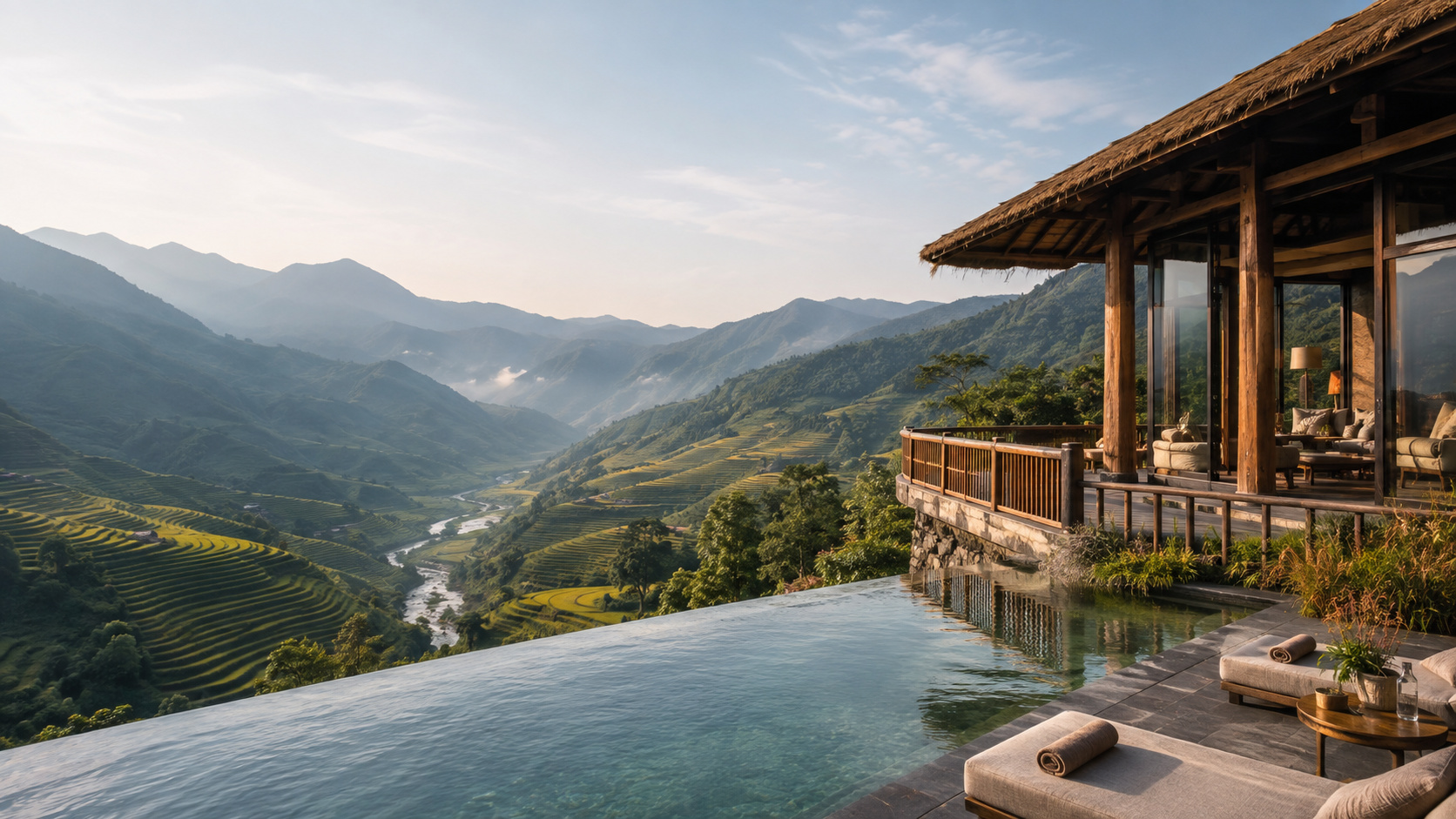


A 14 days in Vietnam route gives travellers enough time to experience real contrast: northern cities and bays, central heritage, southern energy, river life and perhaps a beach ending. But two weeks can still become rushed if every attractive place is added without structure. The value of fourteen days is not only that travellers can cover more ground. It is that they can move better, stay longer in key places and let each region feel different. These five ways help build a more realistic two-week route that feels varied, balanced and comfortable enough to remember clearly.
Build the journey as regional chapters
A two-week Vietnam trip works best when it has chapters. Northern Vietnam may include Hanoi, Halong Bay, Ninh Binh or Sapa. Central Vietnam may include Hue, Hoi An and coastal time. Southern Vietnam may include Ho Chi Minh City, the Mekong Delta and Phu Quoc. These chapters help travellers understand the country as a progression rather than a scattered list. Once the chapters are clear, route order, nights, transfers and guides become easier to arrange.
Way one: choose a north-to-south or south-to-north arc
A clear travel arc prevents backtracking and makes the trip feel natural. The best direction depends on flights, season, beach plans and personal pacing.
A 2-week Vietnam itinerary guide can help compare the main route arc before booking.
Use extra days for depth, not only coverage
Two weeks can tempt travellers into adding too many stops. This can turn a promising route into a long series of packing days. Extra time should create depth: longer evenings, better meals, a slow morning, a second night in a place that deserves it, or a free half-day after a transfer. A realistic 14-day route does not try to prove that everything fits. It asks what each added stop contributes to the journey.
Way two: give key destinations enough nights
Hanoi, Hoi An, Ho Chi Minh City or a beach destination may deserve more than a quick stop. Longer stays make free time useful and reduce travel fatigue.
A 2-week Vietnam route order guide can help decide which stops deserve priority.
Avoid too many one-night stays
One-night stays can work for an overnight cruise or very specific transit point, but too many make the trip feel fragmented.
The strongest two-week routes usually have a mix of movement and settled time.
Travellers need time to notice details.
Otherwise, the country becomes a blur of checkouts.
Place outdoor and beach experiences carefully
A 14-day trip often includes weather-sensitive experiences: Halong Bay, Sapa, Ninh Binh, Mekong Delta, Phu Quoc, Nha Trang or island tours. These should not be squeezed into fragile slots if they matter emotionally. A beach ending needs enough time to rest. A mountain hike needs recovery. A cruise should not be placed after a risky flight connection. Outdoor highlights should be given space to succeed.
Way three: protect the most important outdoor highlight
If Halong Bay, Sapa trekking or Phu Quoc beach time is central, place it where the itinerary has enough margin.
A 2-week Vietnam transport guide can help align transfers with cruise, mountain and beach planning.
Use beach time as recovery, not decoration
Beach time should have a purpose. It may be a final rest, a family reset, a honeymoon pause or a soft middle chapter. Do not add it only because the route has a spare night.
Balance guided days with independent discovery
Two weeks allows both structure and personal wandering. Guides are useful for food, heritage, countryside, river life, markets and craft. Independent time is useful in walkable towns, beaches, cafés and markets. Too much guiding can make the trip feel controlled. Too little guidance can make key places feel shallow. A realistic route uses guides where meaning matters and leaves freedom where the traveller can explore comfortably.
Way four: choose guided days by purpose
A guide adds value when context changes the experience. Hanoi food, Hue heritage, Hoi An craft, Mekong Delta life and Ho Chi Minh City history can benefit from explanation.
A Vietnam private tours ideas guide can help decide where private guidance is worth adding.
Keep free time in the right places
Free time should be placed where travellers can use it well: Hanoi Old Quarter, Hoi An, a beach hotel, riverside areas or a walkable city district.
A good route creates confidence first.
Then it gives travellers space to make the trip personal.
Review the final route as a whole
Before confirming, travellers should read the itinerary from start to finish and imagine each day physically. How often is luggage moved? Where are the long drives? Which days require early starts? Is there enough time for meals, laundry, rest and unexpected weather? Does the trip end calmly? This final review often reveals what the map hides. A realistic two-week route feels complete because it has been edited, not because it includes every possible stop.
Way five: request a route review before booking
A tailored custom 2-week Vietnam itinerary can help adjust region order, hotels, transfers and guided days before the plan becomes fixed.
A 14 days in Vietnam route becomes stronger when it is built as chapters, not as a race. Choose a clear travel arc, use extra days for depth, protect outdoor highlights, balance guided days with free time and review the route as a real human journey. Two weeks is a powerful length for Vietnam because it can show food, cities, heritage, bays, rivers and beaches. With realistic pacing, the country feels generous, varied and beautifully connected.
Tradition Việt
Hotline: (+84) 967 04 88 91 / (+84) 376 304 008
Email: info@traditionviet.com
Adresse: CT2A Hanoi Homeland