

A 14 days in Vietnam route gives travellers enough time to experience the country’s variety, but it still needs careful balance. Two weeks can include northern culture, Halong Bay, central heritage, southern city life, the Mekong Delta and perhaps a beach ending. Yet a 14-day itinerary can become tiring if every attractive stop is added. The goal is not to fill all available days. The goal is to create a journey where sightseeing, transfers and rest support one another. These eight ways help travellers build a two-week route that feels complete and comfortable.
Build the trip in chapters
A 14-day route works well when divided into regional chapters. Northern Vietnam may include Hanoi, Halong Bay, Ninh Binh or Sapa. Central Vietnam may include Hue, Hoi An and nearby countryside. Southern Vietnam may include Ho Chi Minh City, the Mekong Delta and Phu Quoc. Chapters help travellers feel the country’s diversity without losing structure. Once the chapters are clear, route order and pacing become easier.
Way one: choose a clear travel arc
North-to-south or south-to-north routes usually reduce backtracking. The best direction depends on flights, season and desired ending.
A 2-week Vietnam itinerary guide can help compare the main route arc.
Use extra days for depth
Fourteen days can tempt travellers to add too many places. But extra days are often better used for depth: a second night in Hoi An, a calmer Hanoi morning, a better beach ending, a less rushed Mekong Delta experience or time to recover after a cruise. Depth makes the route feel richer. Constant movement makes the country blur.
Way two: reduce weak one-night stops
One-night stays can work for cruises or transit, but too many make the journey feel fragmented.
A 2-week Vietnam route order guide can help decide which stops deserve more time.
Way three: give key destinations enough evenings
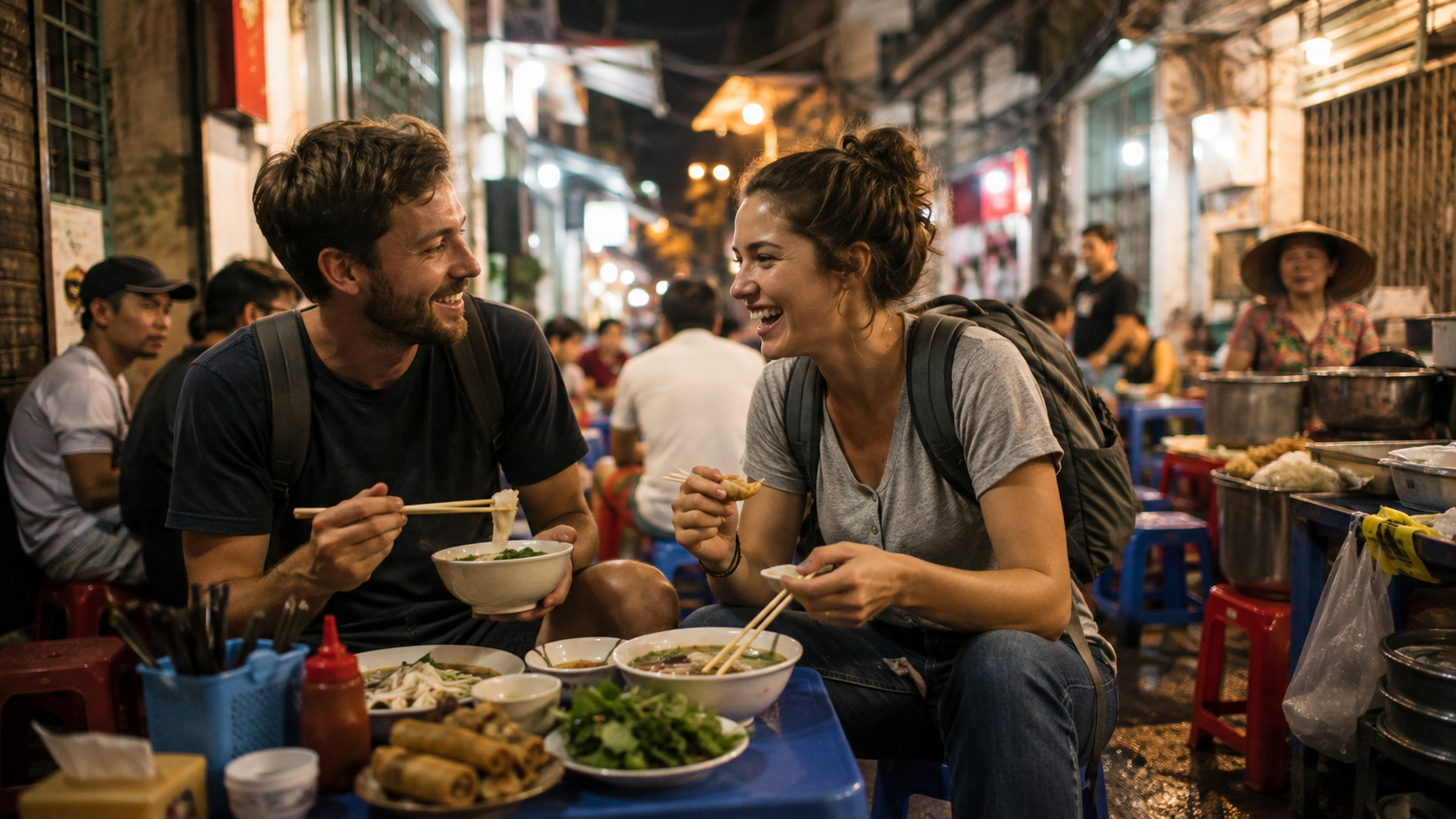
Evenings often create the best memories: lantern walks, local meals, riverside cafés, night markets or quiet beach time.
A destination without an evening may feel incomplete.
Time after sightseeing matters.
It lets the place settle.
Place transfers with care
A two-week route may include domestic flights, road journeys, cruise transfers, boat routes and airport connections. These should not be treated as empty lines between experiences. Transfers affect mood and energy. A strong itinerary gives movement enough space, especially before signature moments. Travellers should avoid placing the best dinner, cruise or private experience immediately after the most uncertain transfer.
Way four: avoid tight transfer-to-highlight combinations
Important experiences deserve protected timing. Do not put the trip’s emotional highlight after a risky flight or long drive.
A 2-week Vietnam transport guide can help place movement more realistically.
Way five: keep luggage days lighter
On days with hotel changes, reduce sightseeing load. Travellers enjoy more when they are not constantly managing bags.
Balance guided time with independent discovery
Two weeks allows a more mature mix of support and freedom. Guides are useful for food, heritage, local markets, countryside, river life and city orientation. Independent time is useful in Hanoi, Hoi An, beach areas and walkable neighborhoods. The best route does not guide every hour. It gives travellers context first, then space to explore.
Way six: guide the places that need explanation
Hue heritage, Hanoi food, Mekong Delta life, Hoi An craft and Ho Chi Minh City history can become stronger with interpretation.
A Vietnam private tours ideas guide can help decide where private guiding adds value.
Way seven: protect open time in walkable places
Free time is most useful where travellers can safely walk, eat, shop, photograph or rest without complex transport.
A good route gives independence in the right locations.
Freedom should be practical, not theoretical.
End with the right kind of rest
The final chapter should support the traveller’s emotional ending. Some people prefer a beach stay. Others prefer a comfortable city hotel for easier flights. Couples may want privacy. Families may want convenience. Premium travellers may want a softer last transfer. The ending should be chosen by both feeling and logistics. A beautiful final stop that creates airport stress may not be the best choice.
Way eight: choose the final stop by flight logic and mood
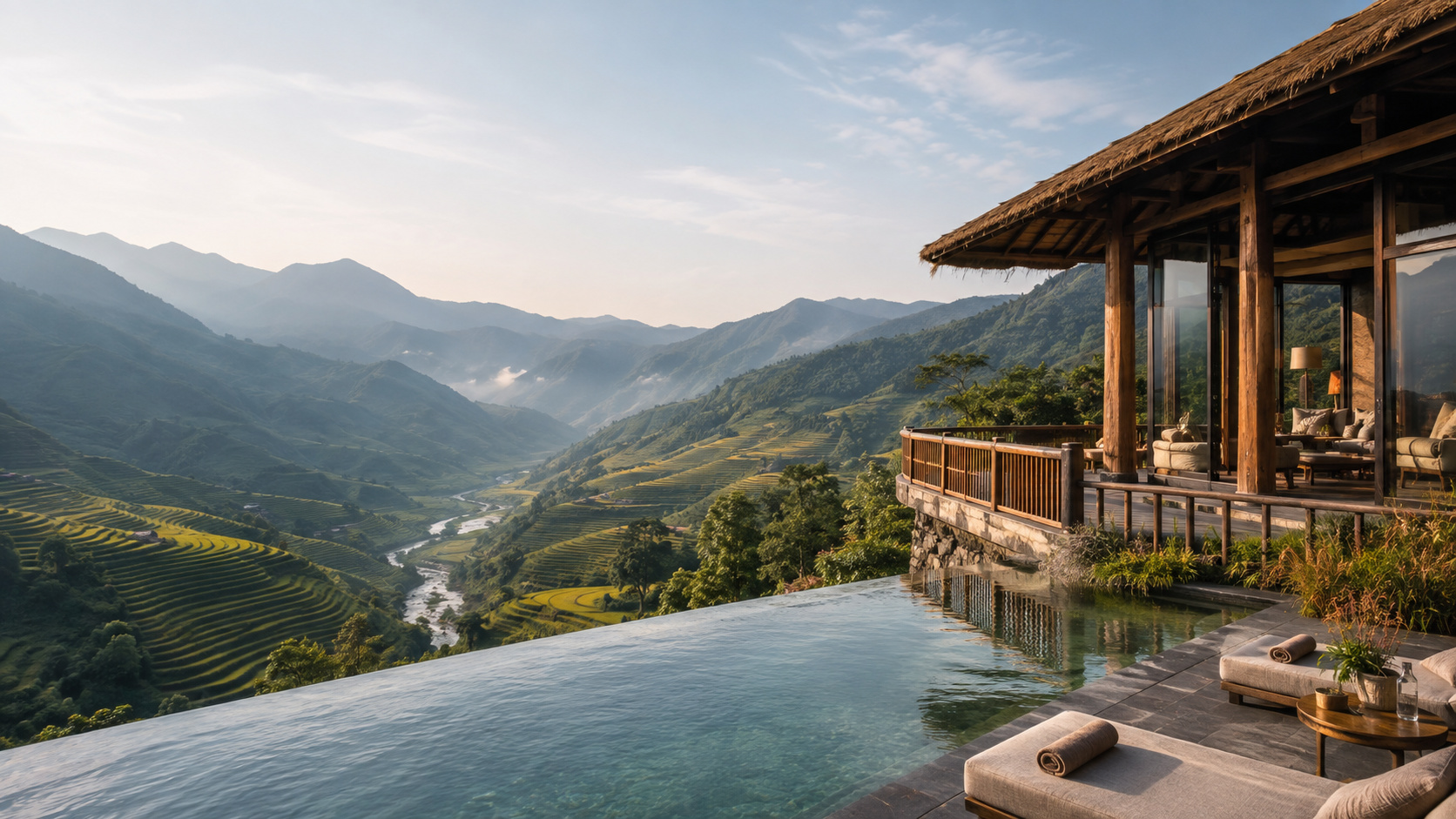
A beach ending works if flight timing is practical. A city ending may be calmer for early departures or multi-flight routes.
A tailored custom 2-week Vietnam itinerary can align sightseeing, transfers, rest and departure comfort.
A 14 days in Vietnam route becomes stronger when built in chapters, not as a long checklist. Use extra days for depth, place transfers carefully, balance guided experiences with independent time and choose the ending wisely. Two weeks can show Vietnam’s food, cities, bays, rivers, heritage, countryside and beaches with real variety. When sightseeing, movement and rest are balanced, the route feels complete without becoming exhausting.
Tradition Việt
Hotline: (+84) 967 04 88 91 / (+84) 376 304 008
Email: info@traditionviet.com
Adresse: CT2A Hanoi Homeland