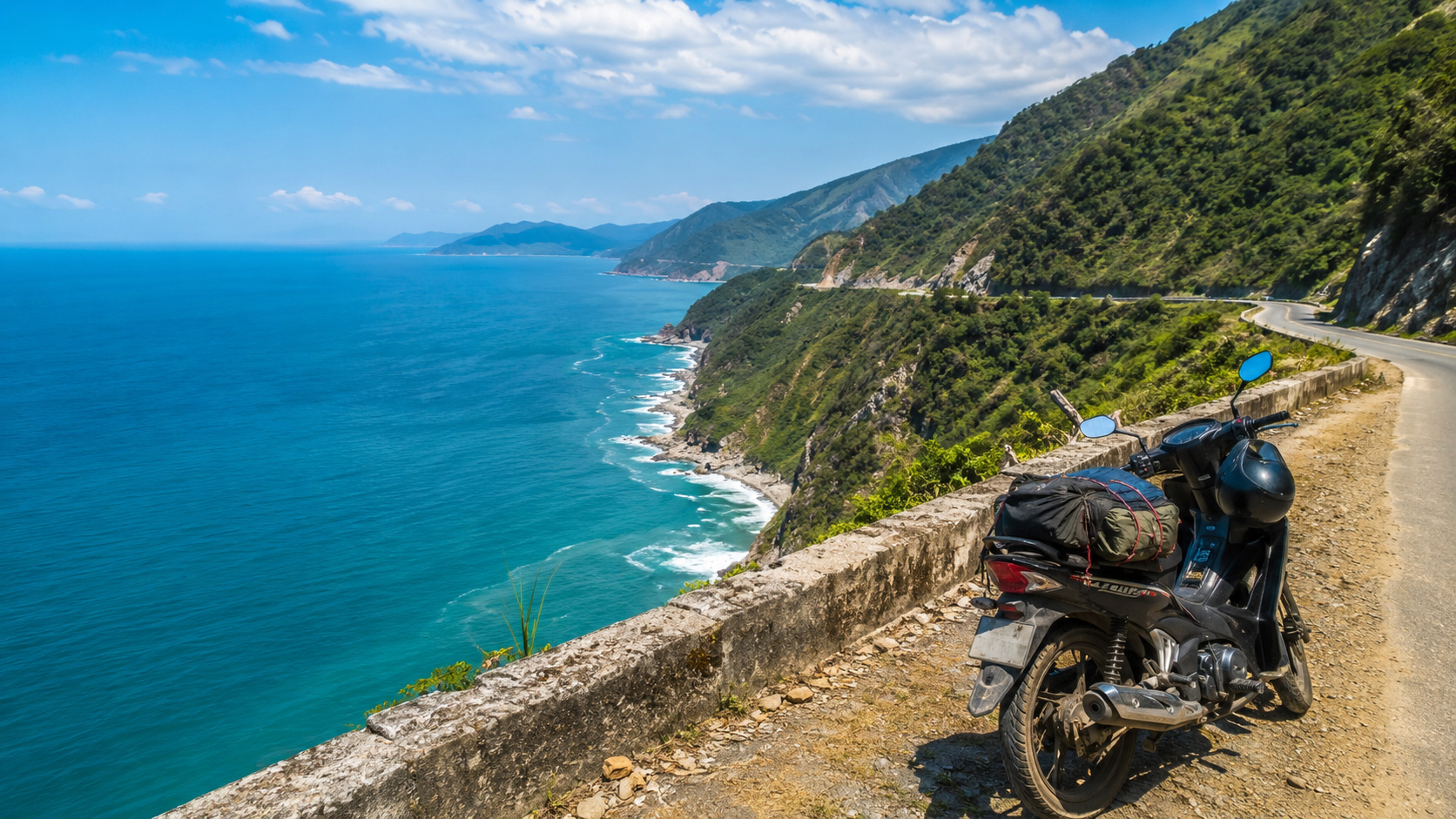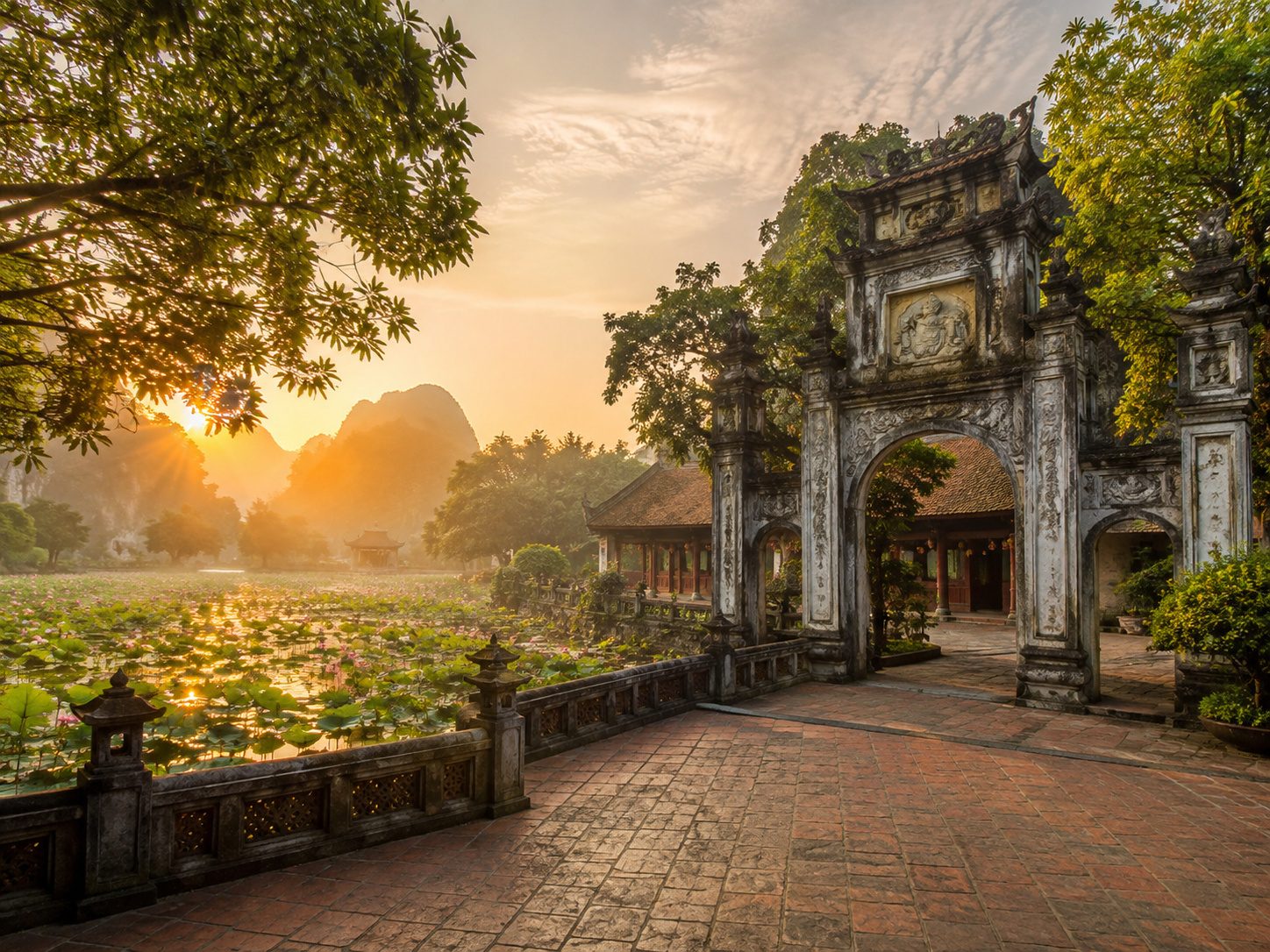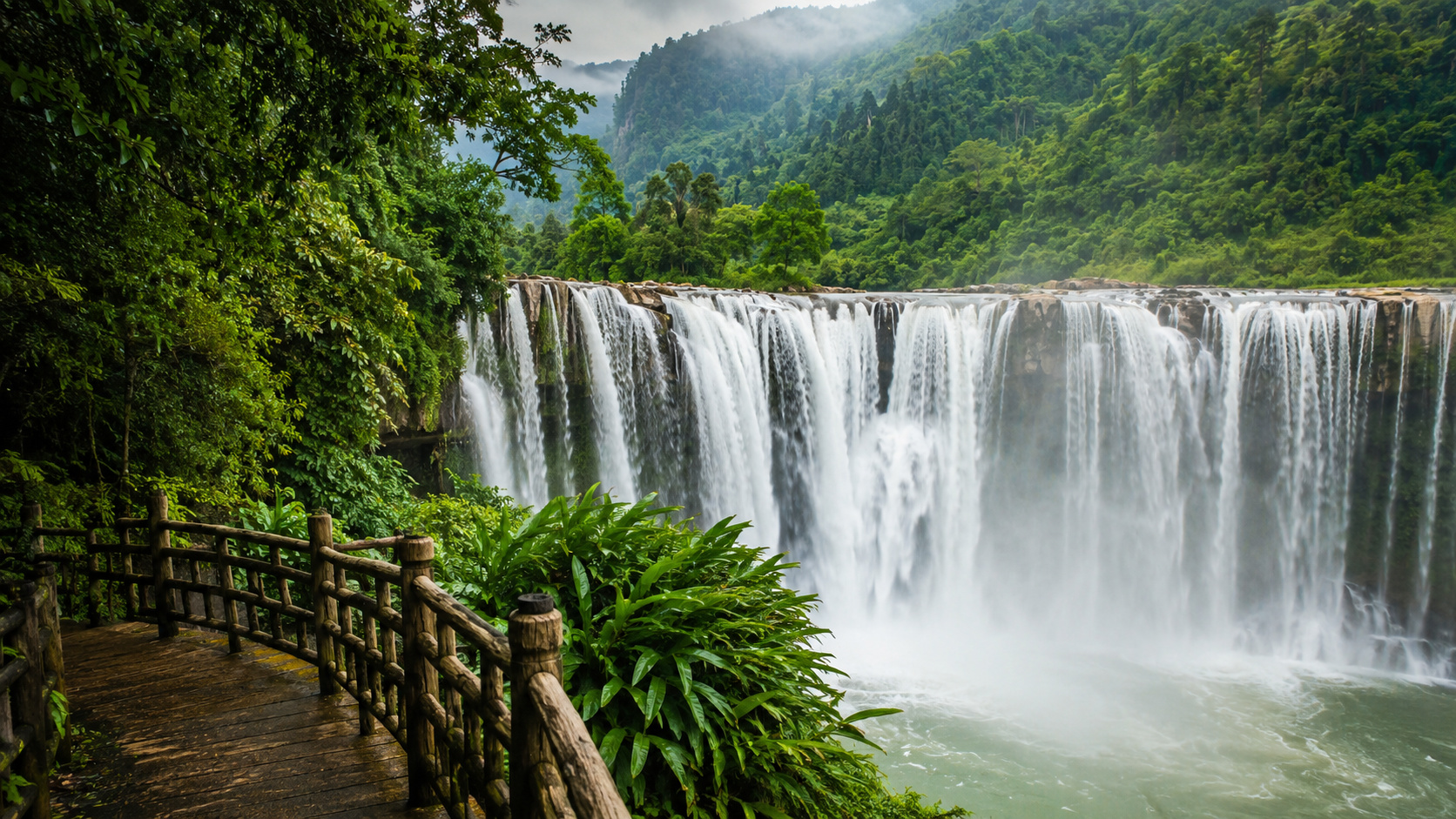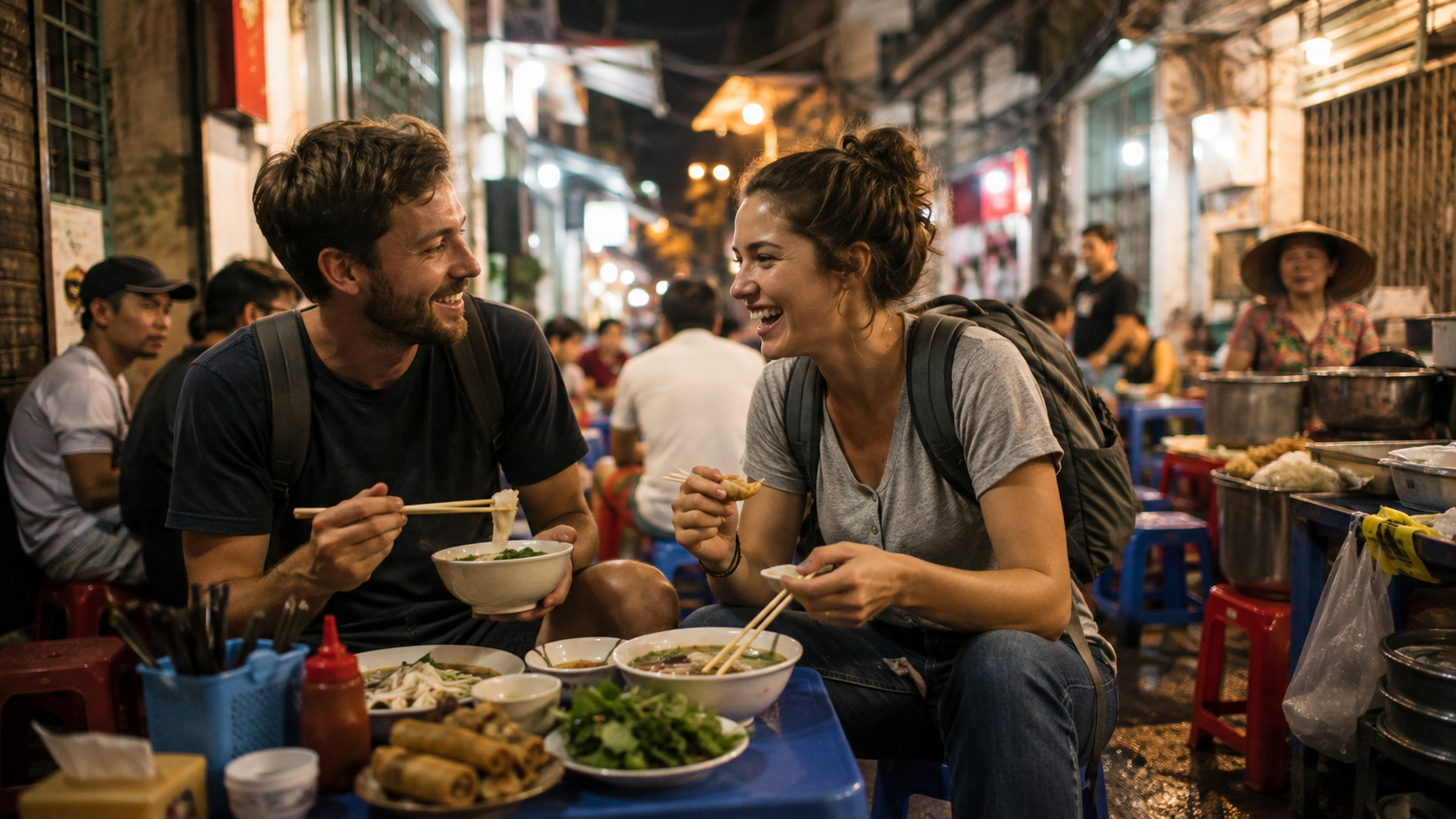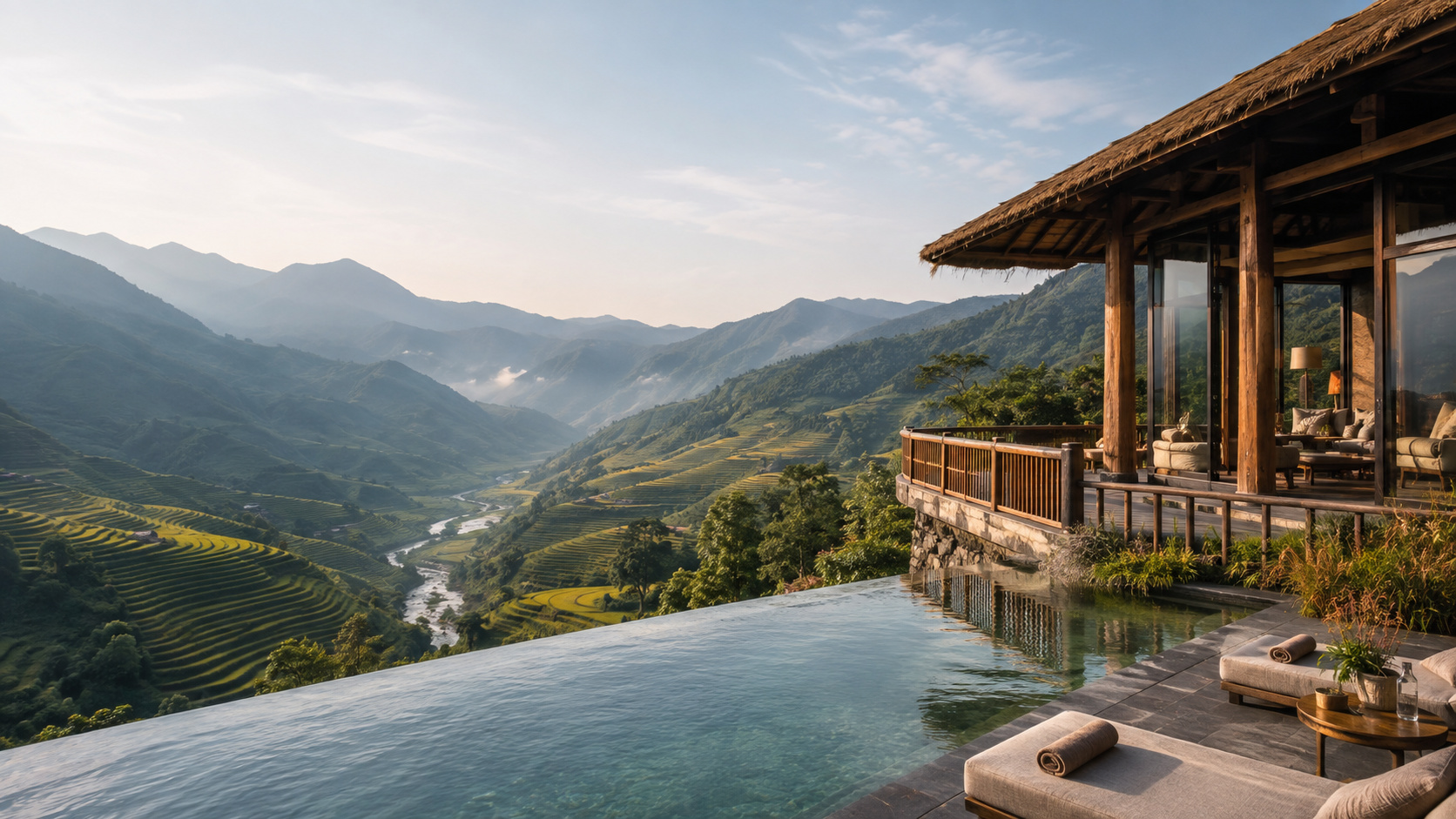

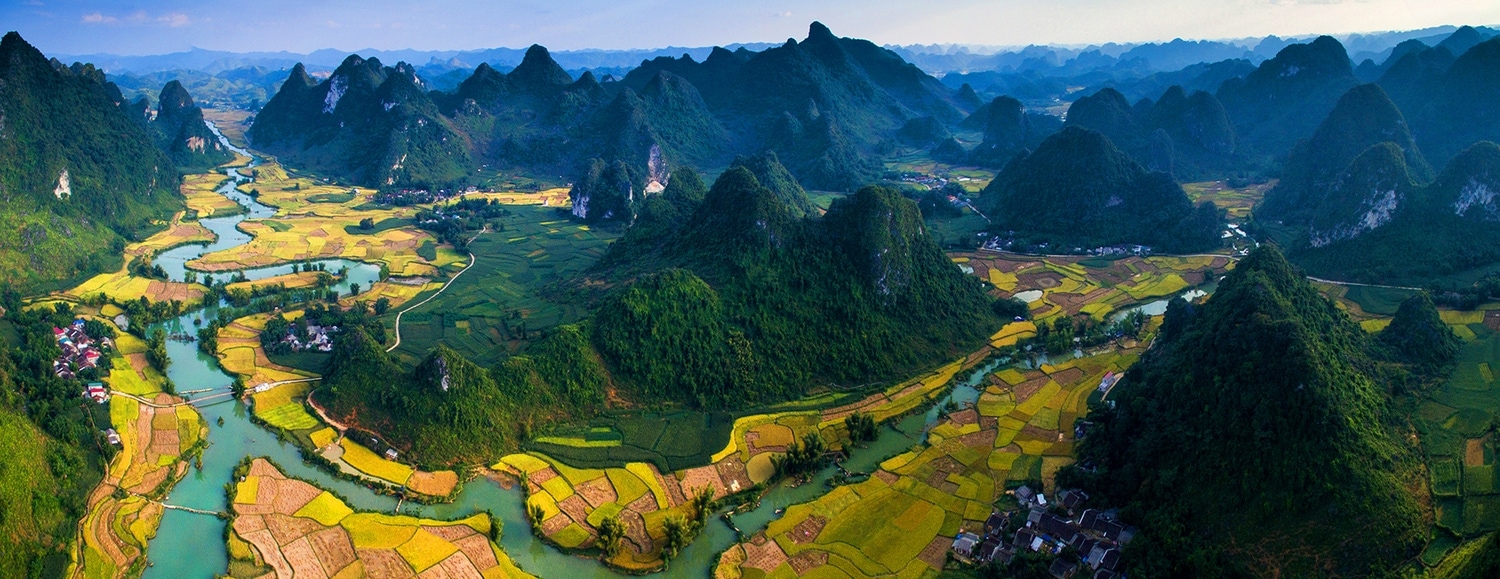
Vietnam sightseeing tours can help travellers understand the country more clearly, but the format should be chosen with care. Sightseeing in Vietnam may include old quarters, temples, museums, heritage towns, markets, river routes, caves, countryside, war history, craft villages, beaches and city walks. A tour that tries to include too much can feel rushed and shallow. A tour with good pacing, a clear theme and the right guide can turn places into stories. These ten things help travellers check whether a sightseeing option truly matches their itinerary before choosing it.
Check the purpose of the tour
Before looking at the stop list, travellers should ask what the sightseeing tour is supposed to do. Is it for first-day orientation, history, food, architecture, nature, photography, family learning or local life? The answer changes the best format. A Hanoi introduction should not feel the same as a Hue heritage route or a Ho Chi Minh City walk. A good sightseeing tour has a purpose that is easy to explain. Without that purpose, the day may become a list of disconnected places.
Thing one: define the theme
The theme may be city orientation, heritage, food, countryside, river life, architecture, family activities or photography. Clear theme makes the route easier to judge.
A Vietnam tours guide can help travellers compare tour formats by purpose.
Thing two: check whether the stop list is realistic
Too many stops can reduce the quality of each visit. Fewer places with better explanation often create stronger memories.
Thing three: ask what the guide will explain
A good guide should connect places with people, history, daily life and local context, not only name monuments.
Check pace, comfort and physical effort
Sightseeing involves the body. Walking, heat, stairs, traffic, standing time, boat movement and road transfers can affect enjoyment. A tour may look moderate online but feel demanding in practice. Families, older travellers and guests arriving after long flights should be especially careful with pace. A good sightseeing day includes breaks, shade, water, meals and realistic timing. Vietnam rewards attention, but tired travellers cannot absorb much.
Thing four: ask about walking distance
Old towns, markets, temples, museums and caves may involve uneven surfaces, stairs or long standing periods.
A Vietnam private tours guide can help match guided sightseeing with personal comfort.
Thing five: check transfer time
A day tour should be judged from hotel pickup to return, not only by time at the destination.
A long transfer can still be worth it if the experience is strong.
But it should not be hidden.
Travellers should know how the full day feels.
Thing six: plan meals and pauses properly
A local lunch, coffee break or snack can make sightseeing more human and prevent the day from becoming too dense.
Check whether private, shared or self-guided is best
Different formats suit different travellers. Shared tours can be affordable and social. Private tours offer control over pace, interests and comfort. Self-guided sightseeing works in walkable areas when travellers have time and confidence. The best option depends on budget, schedule, group type, language needs and the complexity of the destination. Vietnam sightseeing tours should not be chosen only by price. They should be chosen by fit.
Thing seven: choose private format for flexibility
Private sightseeing can help families, couples, photographers, older travellers and people with specific food or pace requirements.
A small group Vietnam tours guide can help compare shared and smaller guided formats.
Thing eight: choose shared format for value
Shared sightseeing works well when the route is standard, group size is reasonable and inclusions are clear.
Thing nine: leave independent time afterward
A good sightseeing tour should help travellers return independently to a café, market, street or viewpoint that interested them.
Check how the tour fits the wider itinerary
A sightseeing tour should add contrast, not duplicate what the route already includes. If the trip already has several temples, another temple-heavy day may feel repetitive. If the route is city-heavy, a countryside or river sightseeing option may add better balance. If travellers have only one free day, the tour should support the main purpose of the trip. Sightseeing is strongest when it improves the whole itinerary.
Thing ten: avoid repeating the same experience
Choose the tour that adds a new layer: food, heritage, local life, nature, market culture or architecture.
A tailored Vietnam sightseeing tour proposal can help match guide, theme, pace and route logic.
Vietnam sightseeing tours are worth choosing carefully because the right format can make the country easier to understand. Check the theme, stop list, guide style, walking distance, transfer time, meal rhythm, tour format and itinerary fit before booking. A good sightseeing tour should not overwhelm travellers with information or movement. It should help them see Vietnam with more context, more comfort and more curiosity.
Tradition Việt
Hotline: (+84) 967 04 88 91 / (+84) 376 304 008
Email: info@traditionviet.com
Adresse: CT2A Hanoi Homeland