
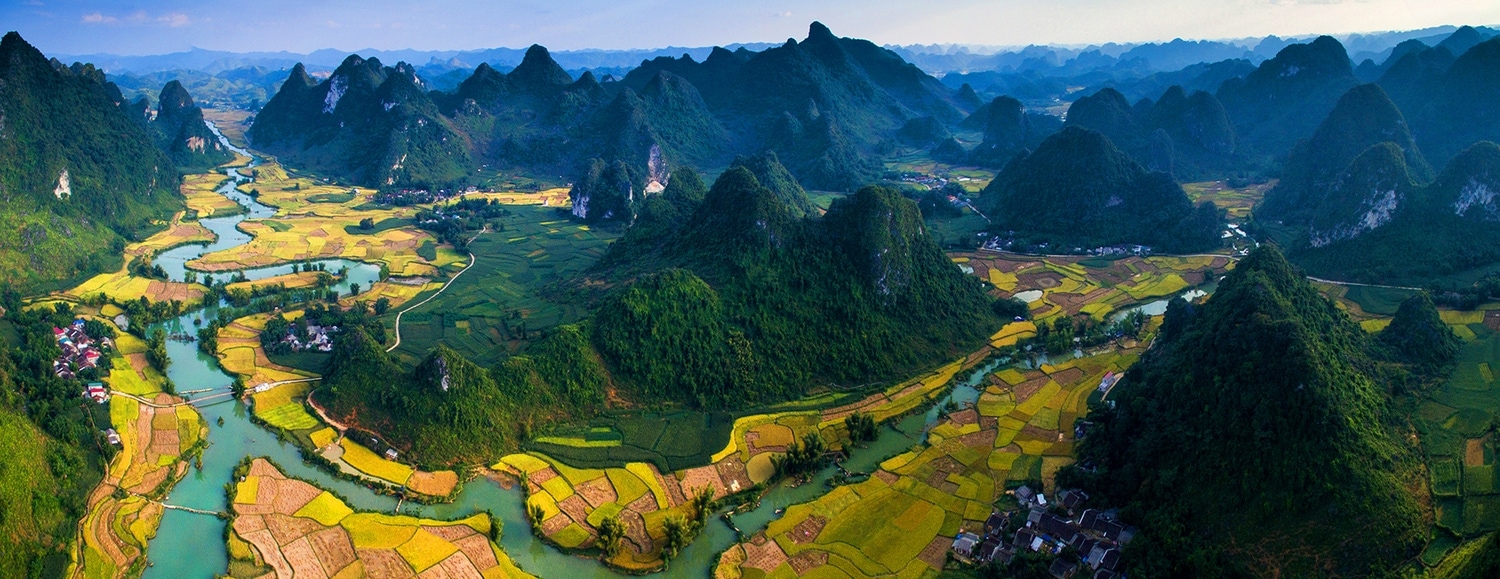
A 10 days in Vietnam route can be beautiful, but it must be edited carefully. Vietnam has too many attractive places for a short trip: Hanoi, Halong Bay, Ninh Binh, Sapa, Hue, Hoi An, Ho Chi Minh City, the Mekong Delta and island beaches can all compete for attention. Ten days is enough for a strong first experience, not enough for everything. A realistic route protects movement, gives each destination a role and avoids turning every day into a transfer. These fourteen ways help travellers build a ten-day itinerary that feels complete rather than compressed.
Start with a clear route shape
The route shape should be chosen before hotels, day trips or restaurant plans. A 10-day trip can focus on northern Vietnam, central and southern Vietnam or a carefully edited north-to-south route. A full-country itinerary can work only if travellers accept fewer stops and smart domestic flights. Without a clear shape, the plan becomes a collection of famous names instead of a journey. Route design is the foundation of a smoother ten-day trip.
Way one: choose two main zones
Two main zones often create better balance than three rushed ones. For example, north and central Vietnam can work well, or central and south Vietnam can create a softer route.
A 10-day Vietnam itinerary guide can help compare route shapes before booking flights.
Way two: decide the arrival and departure logic early
Open-jaw flights can save time if available. Arriving in Hanoi and leaving from Ho Chi Minh City, or the reverse, may reduce backtracking.
Way three: remove stops that do not change the experience
Each destination should add a new layer. If two stops serve the same purpose, keep the stronger one.
Count transfer time honestly
A ten-day itinerary often looks smooth when transfers are written as one short line. In reality, domestic flights include packing, checkout, traffic, waiting, boarding, baggage and check-in. Road transfers include rest stops and possible delays. Cruise pickups and returns also consume time. Travellers should treat movement as a real part of the day. This prevents the route from becoming exhausting even before the main experiences happen.
Way four: keep arrival day gentle
After an international flight, plan light orientation, an easy meal and rest. A dense sightseeing tour on arrival day may weaken the next two days.
A 10-day Vietnam transport guide can help travellers place movement more realistically.
Way five: avoid tight flight-to-tour combinations
Do not place a major food tour, heritage visit or cruise departure immediately after a risky transfer. Delays can damage the highlight.
A smooth route needs margin.
It is better to do fewer things with attention.
Ten days should not feel like a race against the clock.
Way six: protect one full day without luggage
At least one day should begin and end in the same hotel without packing. This helps travellers feel settled.
Choose highlights by travel style
A realistic 10-day route should reflect the traveller. First-time visitors may want Hanoi, Halong Bay, Hoi An and Ho Chi Minh City. Culture-focused travellers may prefer Hanoi, Ninh Binh, Hue and Hoi An. Families may need fewer stops and more pool or beach time. Couples may want a signature cruise and softer evenings. Budget travellers may choose fewer domestic flights. The best route is not universal. It is edited around purpose.
Way seven: give each destination a role
Hanoi can introduce food and culture. Halong Bay can slow the route. Hoi An can provide atmosphere. Ho Chi Minh City can add southern energy.
A Vietnam tours guide can help match destination roles with traveller style.
Way eight: do not add the beach unless it has enough time
A beach stop needs usable hours. One rushed night can create more transfer stress than relaxation.
Way nine: use guides where time is limited
A good guide can make Hanoi food, Hue heritage, Hoi An craft or Mekong Delta life clearer in a short window.
Way ten: keep free time in walkable areas
Free time is useful only when travellers can actually enjoy the surroundings. Choose hotel locations accordingly.
Finish with a softer rhythm
The final part of a 10-day route should not collapse into stress. Travellers need time to pack, transfer, enjoy a final meal and reach the airport calmly. Ending after the hardest transfer or latest domestic flight can damage the overall memory. A softer finish may be a beach stay, a walkable city hotel or a calm final evening. The last two days should help the trip settle.
Way eleven: avoid scheduling the biggest highlight at the end
If the final highlight depends on weather or a tight transfer, the route becomes fragile. Place major experiences with some margin.
A custom 10-day Vietnam itinerary can help align route order, hotels and movement before bookings become fixed.
Way twelve: leave one flexible block
A free half-day can absorb weather, shopping, fatigue, laundry or a favorite discovery.
Way thirteen: choose the final hotel strategically
The last hotel should support airport access, easy meals and a calm evening. Convenience matters at the end.
Way fourteen: review the route from the traveller’s body
Ask how the route feels physically, not only how it looks on a map. Energy is part of the itinerary.
A 10 days in Vietnam route becomes more realistic when travellers choose a clear route shape, count transfers honestly and edit highlights by travel style. Ten days can introduce Vietnam beautifully, but only if the plan has discipline. Choose two main zones, protect arrival and final days, avoid weak one-night additions and use guides where context matters. A realistic itinerary does not show less Vietnam. It helps travellers see Vietnam with more attention, comfort and memory.
Tradition Việt
Hotline: (+84) 967 04 88 91 / (+84) 376 304 008
Email: info@traditionviet.com
Adresse: CT2A Hanoi Homeland