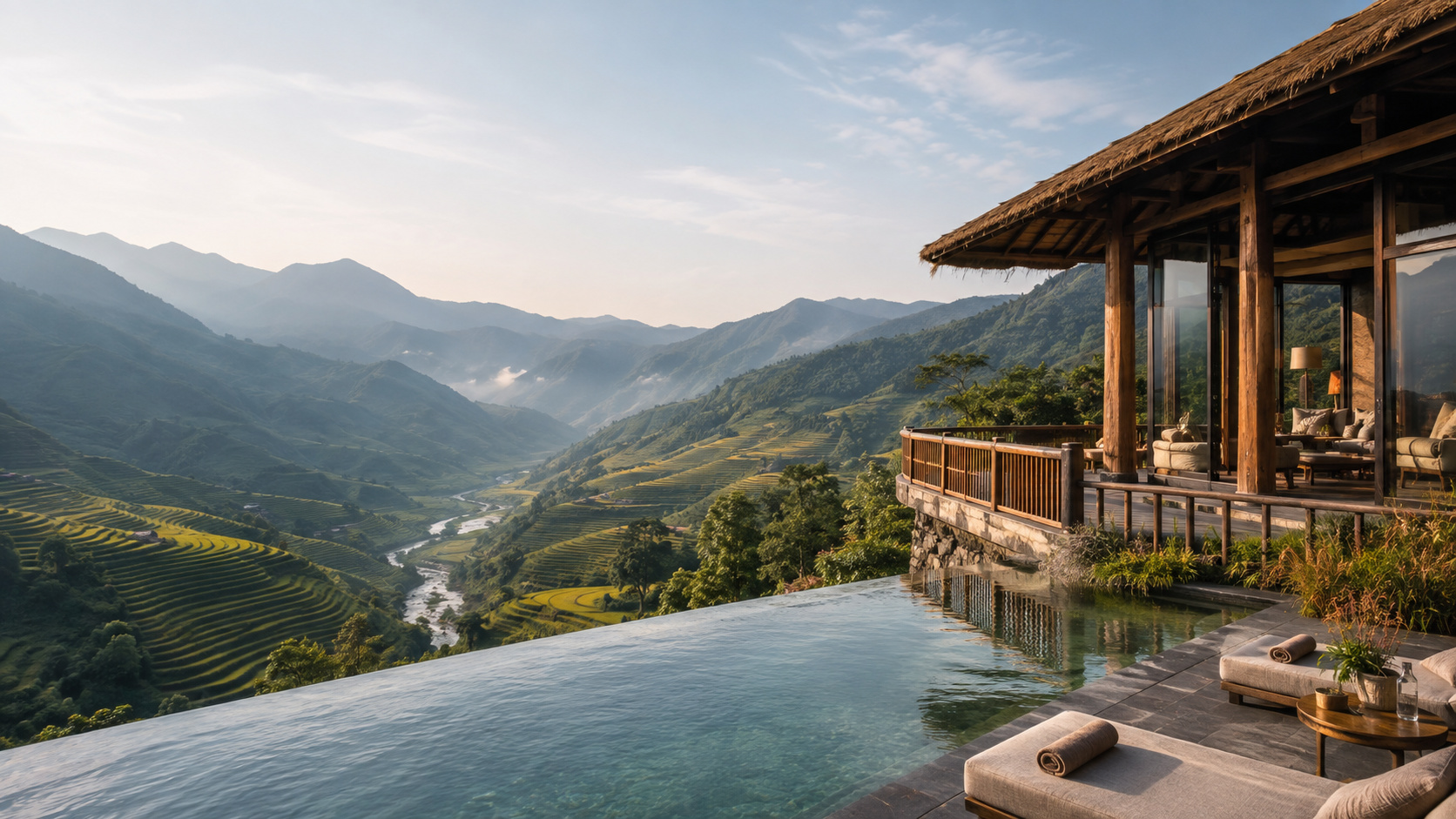

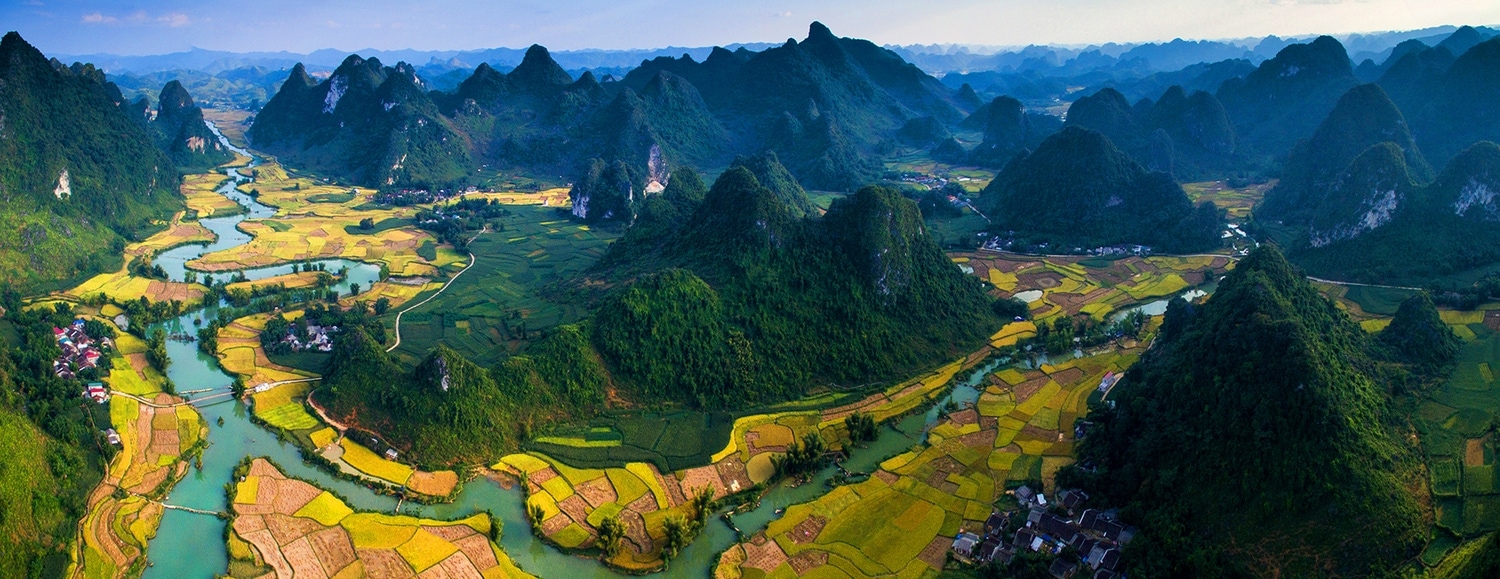
Guided trekking in Sapa can be one of the most memorable ways to experience northern Vietnam, but the route must match the traveller’s real pace. Sapa is not only about mountain views. It is also about valleys, rice terraces, local villages, changing weather, uphill paths, muddy sections, family homes, markets and quiet pauses above the fields. A guided trek should not become a test of endurance unless that is what the traveller wants. The best experience balances scenery, cultural respect and physical comfort. These seven tips help travellers shape Sapa into a meaningful mountain chapter rather than a rushed outdoor checklist.
Start with honest trekking ability
Before choosing a trail, travellers should be clear about stamina, balance, footwear, walking habits and comfort with uneven paths. A Sapa trek can feel gentle, moderate or demanding depending on distance, elevation, weather and surface conditions. Photographs rarely show how the path feels underfoot. A good guide can adapt the route, but only if the traveller describes their ability honestly. There is no shame in choosing a shorter village walk, a half-day route or a slower full-day trek. The right pace allows travellers to observe the landscape instead of only surviving it.
Tip one: choose the trail level before choosing the village names
Village names can sound attractive, but trail level matters more. Ask whether the route involves steep climbs, muddy paths, long descents, rice terrace edges or road sections.
A Sapa trekking guide can help travellers understand the destination before comparing specific trekking routes.
Tip two: allow the guide to adjust the plan
Weather, tiredness and trail conditions can change the day. A responsible guide should be able to shorten, reroute or slow the trek without making travellers feel they have failed.
Respect the mountain rhythm
Sapa rewards travellers who move with the landscape rather than against it. Morning light, mist, village activity and rice fields all create a rhythm that cannot be forced. A trek should include pauses for water, photographs, explanations and quiet observation. It should also respect local life. Villages are not outdoor museums. They are homes, working landscapes and cultural spaces. A guide can help travellers behave thoughtfully, ask before photographing people and understand what they are seeing. This turns trekking into a cultural experience, not only an exercise route.
Tip three: begin early when possible
An early start can make the day cooler and softer. It may also give better light, quieter paths and more time to walk without pressure.
A Sapa trekking itinerary guide can help place trekking time inside a wider northern Vietnam route.
Tip four: bring proper shoes and rain protection
Sapa weather can shift quickly. Comfortable shoes with grip, light rain protection and a small day bag make the trek easier.
Do not rely on city shoes.
A beautiful trail becomes stressful when feet hurt.
Tip five: use local guidance for cultural context
A guide can explain farming, village life, textiles, markets and seasonal changes. This context helps travellers understand the valley beyond the view.
Place Sapa correctly inside the Vietnam itinerary
Sapa should not be squeezed into an already exhausting route. The journey from Hanoi, the overnight train or road transfer, hotel check-in and trekking day all need careful placement. Travellers should avoid placing a demanding trek immediately after a long-haul flight or before a tight domestic connection. Sapa works best when there is enough time to arrive, walk, recover and continue. The mountain chapter should add depth to the itinerary, not break the traveller’s energy.
Tip six: protect recovery after the trek
After a full trekking day, keep the evening simple. A warm meal, early rest and slow morning can help the body recover before returning to Hanoi or continuing the route.
A Sapa trekking timing guide can help travellers match trekking plans with weather and seasonal scenery.
Tip seven: ask for a route matched to your group
Families, couples, photographers, active hikers and older travellers need different pacing. A tailored Sapa trekking plan with local support can match trail, guide, transport and overnight rhythm before departure.
Guided trekking in Sapa becomes more rewarding when it respects ability, weather, village life and itinerary rhythm. Choose trail level before village names, start early, prepare good shoes, use a guide for cultural context and protect recovery afterward. Sapa is not only a scenic backdrop. It is a living mountain region where landscape, farming and local communities shape the experience. When the trek is adapted to the traveller’s pace, the day feels immersive, respectful and deeply memorable.
Tradition Việt
Hotline: (+84) 967 04 88 91 / (+84) 376 304 008
Email: info@traditionviet.com
Adresse: CT2A Hanoi Homeland