

A complete guide to Vietnam should not begin with a list of places. It should begin with the questions that help those places fit together. Vietnam is long, diverse and emotionally varied. Hanoi, Halong Bay, Sapa, Hue, Hoi An, Da Nang, Nha Trang, Ho Chi Minh City, the Mekong Delta and Phu Quoc each offer something different, but not every route can include all of them well. Before finalizing the itinerary, travellers should ask how the trip will actually move, what kind of experiences matter most and where the body will need rest. The right questions turn Vietnam from a confusing map into a coherent journey.
Ask what kind of Vietnam you want to meet
Vietnam can be cultural, culinary, scenic, romantic, adventurous, family-friendly, premium, budget-conscious or beach-focused. Most travellers want a mix, but the mix needs priority. A route designed for food lovers should not look exactly like a route designed for families or honeymooners. A first-time traveller may need iconic contrast, while a returning traveller may want depth in fewer regions. The first step is to define the emotional center of the trip. Once that center is clear, destinations become easier to choose.
Question one: What should I remember most?
This question prevents the itinerary from becoming a list. If the main memory should be food, choose cities and guided meals carefully. If it should be scenery, protect mountains, bays or beaches. If it should be culture, give heritage sites enough time.
A travel to Vietnam planning guide can help travellers connect travel purpose with route structure.
The answer does not need to be complicated. It may be “a soft family journey,” “a first-time overview,” “a romantic cultural route,” or “food, cities and one beach ending.”
Without that answer, every attractive destination starts to feel essential.
Question two: How many regions can I visit without rushing?
Vietnam’s regions are connected, but they still require movement. North, central and south Vietnam can all be included in longer trips, but shorter journeys may benefit from focusing on one or two regions.
Question three: Which direction should the route follow?
A north-to-south or south-to-north direction reduces backtracking. It also creates a cleaner story. Starting in Hanoi and ending at a beach or in Ho Chi Minh City creates a different emotional arc from doing the reverse.
Ask how the itinerary will feel day by day
The route must be checked physically. A map may look logical, but the body experiences transfers, heat, walking, early starts, luggage and hotel changes. Travellers should imagine each day from breakfast to bedtime. Is there enough time to arrive, eat, rest and enjoy the main activity? Are heavy visits placed after tiring transfers? Does the route ask too much from children, older guests or first-time visitors? These questions reveal whether the itinerary is truly comfortable or only attractive on paper.
Question four: How many hotel changes are acceptable?
Hotel changes consume time. Packing, checkout, transfer, waiting and check-in all reduce the travel day. A complete guide should help travellers avoid too many one-night stays.
A route with fewer hotel changes often feels more luxurious, even when the budget is modest.
For route examples, Vietnam itinerary ideas can show how destinations can be connected without constant movement.
Question five: Where do I need a guide?
Guides are valuable where context matters: food tours, heritage sites, old quarters, craft villages, countryside routes, Mekong Delta experiences and mountain communities.
Other moments may be better independent. A beach afternoon, shopping hour or coffee break does not need to be explained.
The best itinerary uses guiding with purpose rather than attaching it to every moment.
Question six: What season matches my route?
Vietnam does not have one single perfect travel month. Beach timing, trekking comfort, city heat, rain patterns and festival periods should be checked by region.
Ask what support will make the journey smoother
Support does not mean losing independence. It means solving the parts that are difficult from far away: realistic timing, hotel location, transfer coordination, guide quality, route order and local adjustment. A complete Vietnam plan should decide what to book early and what to leave open. It should also consider visa or entry preparation, travel insurance, dietary needs and emergency contact. These details may not be exciting, but they keep the trip from becoming stressful.
Question seven: What must be booked first?
Flights, key hotels, cruises, domestic transfers, private guides and special experiences may need earlier confirmation, especially in busy periods.
Question eight: Which meals should be planned?
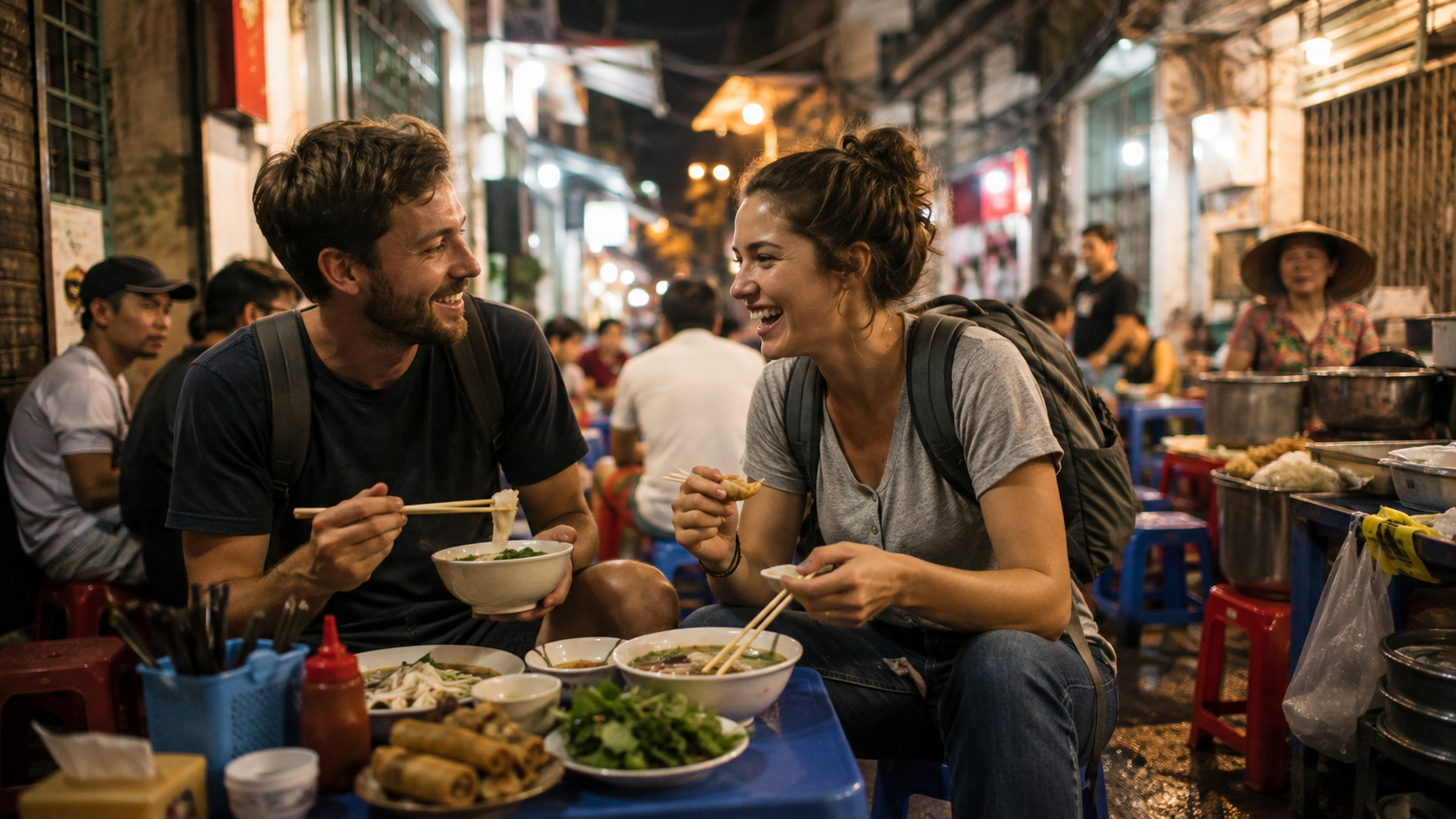
Vietnamese food is a major part of the trip. Some meals should be guided or reserved, while others should remain open for local discovery.
A food-led experience such as Vietnam food tours can help travellers turn meals into cultural understanding.
Question nine: How much free time should remain?
Free time is essential. It allows rest, spontaneous meals, cafés, shopping, laundry or returning to a favorite place. An itinerary with no free time may feel controlled rather than supported.
Question ten: What documents and rules need checking?
Passport validity, visa or e-visa status, insurance, domestic flight details and emergency contacts should be reviewed before departure. These basics protect the rest of the journey.
Question eleven: Who can adjust the plan if something changes?
Weather, fatigue, traffic and personal preference can affect the route. A local planner or guide can help adjust without losing the whole structure.
Travellers who want the questions turned into a route can request personalized Vietnam itinerary support.
A complete guide to Vietnam is most useful when it helps travellers ask better questions before finalizing the route. What should the journey remember? How many regions are realistic? Which direction makes sense? Where is guidance valuable? What season matches the route? Vietnam’s variety is a gift, but it needs structure. When the itinerary is shaped around purpose, pace and practical support, the country becomes easier to enter. The result is not just a full trip, but a coherent one.
Tradition Việt
Hotline: (+84) 967 04 88 91 / (+84) 376 304 008
Email: info@traditionviet.com
Adresse: CT2A Hanoi Homeland