

Vietnamese cuisine tours are most rewarding when travellers allow food to become a cultural guide. Vietnam is not a single menu. It changes from north to central coast to south, from city streets to river markets, from family kitchens to small restaurants and seaside meals. A food tour can reveal herbs, broths, rice, fish sauce, tropical fruit, charcoal, fermented flavors, regional spice and the delicate balance between freshness and depth. But cuisine travel can go wrong when it becomes a rushed eating marathon. The smoother trip is not the one with the most dishes. It is the one where each taste has context, timing and memory.
Eat with curiosity, not performance
Food travel should not feel like a challenge. Some travellers arrive wanting to try everything at once, photograph every dish and prove they are adventurous. That energy can be fun, but Vietnamese cuisine deserves more attention than speed. The best cuisine tour gives travellers time to learn how a dish is eaten, why herbs matter, how dipping sauce changes flavor and what region the dish belongs to. Curiosity works better than performance. A bowl, roll, pancake, noodle soup or coffee becomes more meaningful when the guide explains its place in daily life.
Mistake one: counting dishes instead of remembering them
A tour with fifteen tastings may sound impressive, but travellers may remember less if the pacing is too fast. A smaller number of well-explained dishes can create stronger memory.
A Vietnamese food journey should help travellers understand ingredients, timing and local habits rather than only fill the table.
Mistake two: treating all Vietnamese food as the same
Northern dishes may feel more restrained, central dishes more intense, and southern dishes more generous or tropical. These are broad impressions, not rigid rules, but regional difference matters.
Travellers should ask how the tour introduces regional variation. If the route visits several cities, the food should change with the route.
Let markets and streets explain the cuisine
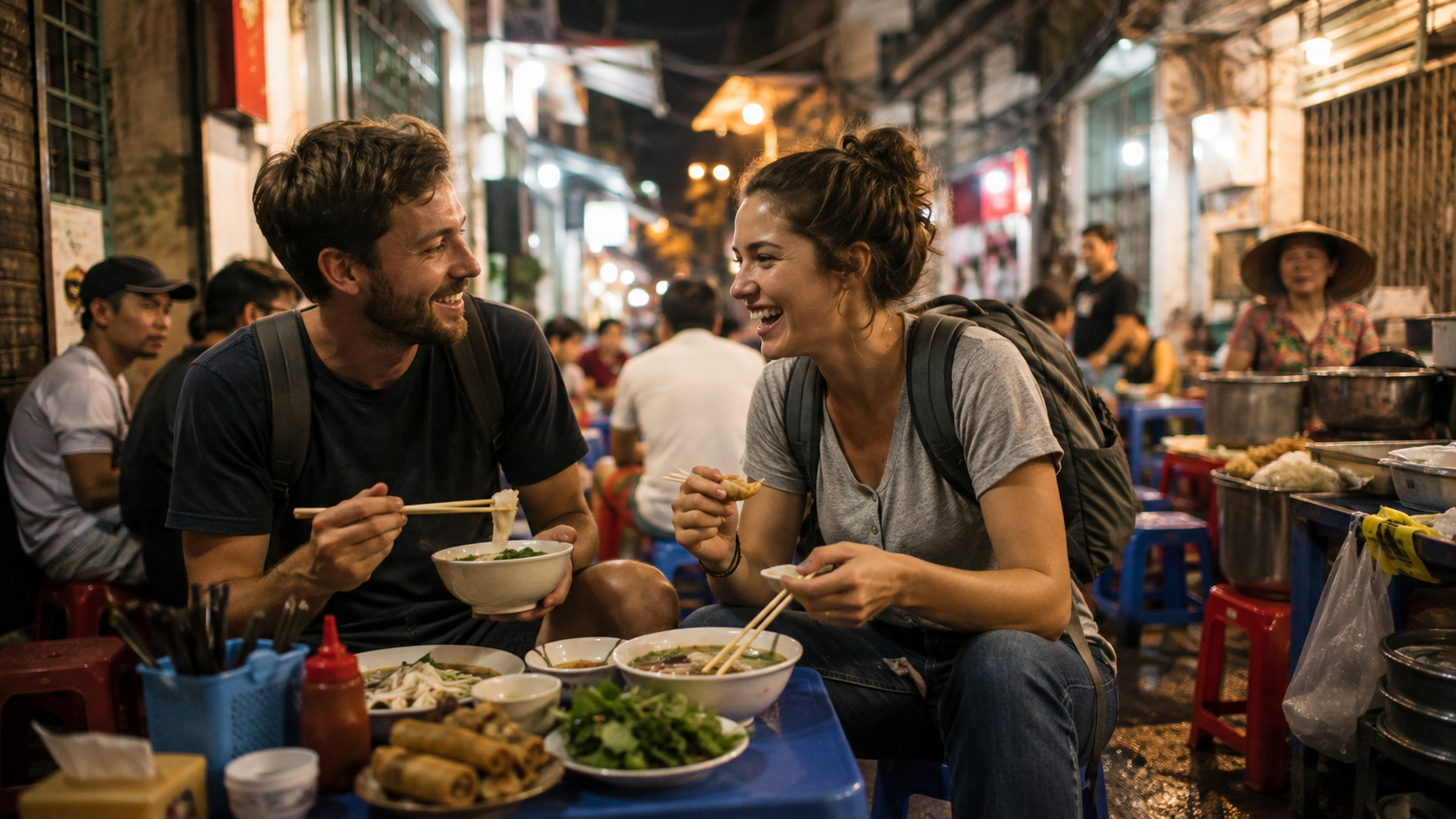
Vietnamese cuisine is easier to understand when travellers see where ingredients live before they reach the plate. Markets show herbs, rice noodles, vegetables, fish, fruit, spices, pickles and daily buying habits. Streets show timing: breakfast vendors, lunch crowds, evening grills and late-night snacks. Restaurants can be comfortable, but markets and street food reveal the living system of Vietnamese eating. A strong cuisine tour should not hide travellers from this world. It should guide them into it with care, hygiene awareness and cultural explanation.
Mistake three: avoiding markets completely
Markets can feel busy, but they are essential to understanding Vietnamese food. A guide can help travellers identify ingredients, avoid blocking vendors and observe respectfully.
Markets also show seasonality. Fruit, herbs and fresh produce explain why Vietnamese food tastes so alive.
A market stop does not have to be long. Even twenty thoughtful minutes can change how travellers understand the next meal.
For more immersive food planning, local food stories in Vietnam can show how markets, people and meals connect.
Mistake four: ignoring hygiene and comfort
Food curiosity should be balanced with sensible choices. Busy stalls, fresh preparation, clean handling and trusted guidance matter. Travellers should not be afraid of street food, but they should not eat carelessly either.
Mistake five: forgetting dietary limits until the tour starts
Vegetarian needs, allergies, seafood restrictions, pork avoidance or spice concerns should be mentioned before the tour. Vietnamese food often uses hidden broth, fish sauce, shrimp paste or peanuts.
A good provider can adjust only when they know early enough.
This is especially important in small kitchens where dishes may be prepared in advance.
Clear communication protects both comfort and enjoyment.
Choose a guide who can translate taste into meaning
The guide is the person who turns a meal into understanding. They should know more than dish names. They should explain how to mix herbs, when to add sauce, how local people eat the dish and what family or regional memory sits behind it. A good food guide also protects the rhythm of the evening. They notice when travellers are full, when someone is uncertain, and when a quiet coffee stop would help the experience settle. Food guiding is cultural guiding through the senses.
Mistake six: booking a food tour with no cultural explanation
A list of dishes is not enough. Travellers should ask whether the guide explains food history, local habits and regional differences.
Mistake seven: placing the food tour at the wrong moment
A food tour works well near the beginning of a city stay because it builds confidence. But it should not be placed right after a long transfer, late flight or heavy lunch.
Good timing allows appetite, attention and comfort to work together.
For preparation, Vietnam food tour tips can help travellers decide when and how to join a culinary experience.
Mistake eight: not using food to shape the wider trip
Food can be more than one tour. It can influence which cities to visit, where to spend evenings and how to understand each region.
Travellers who want deeper planning can use Vietnam food tour support to connect meals, markets and travel rhythm across the itinerary.
Vietnamese cuisine tours become smoother when travellers eat with attention rather than urgency. Avoid counting dishes, flattening regional difference, skipping markets, ignoring comfort or hiding dietary needs until the last minute. Vietnam’s food culture is generous because it is connected to daily life: breakfast streets, family meals, herbs, broths, rice, markets, coffee and regional memory. A good cuisine tour helps travellers taste this connection. When food is guided well, each dish becomes more than flavor. It becomes a small doorway into the country.
Tradition Việt
Hotline: (+84) 967 04 88 91 / (+84) 376 304 008
Email: info@traditionviet.com
Adresse: CT2A Hanoi Homeland