

Heritage tours in Vietnam can be deeply moving when they are approached with patience. Vietnam’s heritage is not held only in monuments. It lives in imperial cities, old trading ports, craft villages, temples, communal houses, music, food, architecture, family rituals and the way local people continue to use historical spaces. A heritage trip becomes weak when it treats culture as a list of stops. It becomes strong when it connects places to memory, geography and living practice. Travellers should not simply ask, “How many sites are included?” They should ask whether the route gives each place enough context, enough time and enough human connection to be understood.
Read heritage as living culture
Vietnamese heritage is not frozen. Hue, Hoi An, craft villages, temple spaces, old quarters and countryside rituals still interact with modern life. This is why a heritage tour should avoid museum-style rushing. A citadel, tomb, pagoda or old house deserves explanation, but it also deserves atmosphere. Travellers need time to notice materials, layout, symbols, worship practices, food, music and how local people relate to the place today. A smooth heritage trip helps visitors respect both the historical value and the living community around it.
Mistake one: counting sites instead of understanding them
A crowded heritage itinerary can look impressive but feel empty. Travellers may enter many gates and leave with little understanding. It is better to visit fewer places with a stronger guide than to collect many names without context.
A thoughtful Hue guided experience can show how one heritage city becomes richer when architecture, history and local life are interpreted together.
The question should be: what will this stop help me understand?
If there is no answer, the stop may only be decorative.
Mistake two: ignoring the guide’s interpretive role
A heritage guide should do more than deliver dates. They should explain symbols, dynastic memory, religious behavior, architecture, local food and why a site still matters.
Good guiding also protects respectful behavior. Travellers may not know when to dress modestly, speak softly, remove hats or avoid certain photo habits.
Mistake three: visiting temples and sacred spaces casually
Temples, pagodas and ancestral spaces should not be treated like ordinary attractions. Travellers should dress respectfully, move calmly and follow the guide’s advice.
Let heritage connect regions, not isolate them
A strong Vietnam heritage tour creates connections. Hue can speak about imperial life, music, cuisine and spiritual architecture. Hoi An can reveal trading history, craft, river-town atmosphere and old-house culture. Northern craft villages can show materials, family workshops and rural continuity. The Mekong Delta may carry another kind of living heritage through foodways and river life. The mistake is visiting each place as if it stands alone. Heritage becomes smoother when the route builds a conversation between regions. Travellers begin to understand Vietnam through contrast: royal and local, urban and rural, spiritual and commercial, old and still evolving.
Mistake four: separating food from heritage
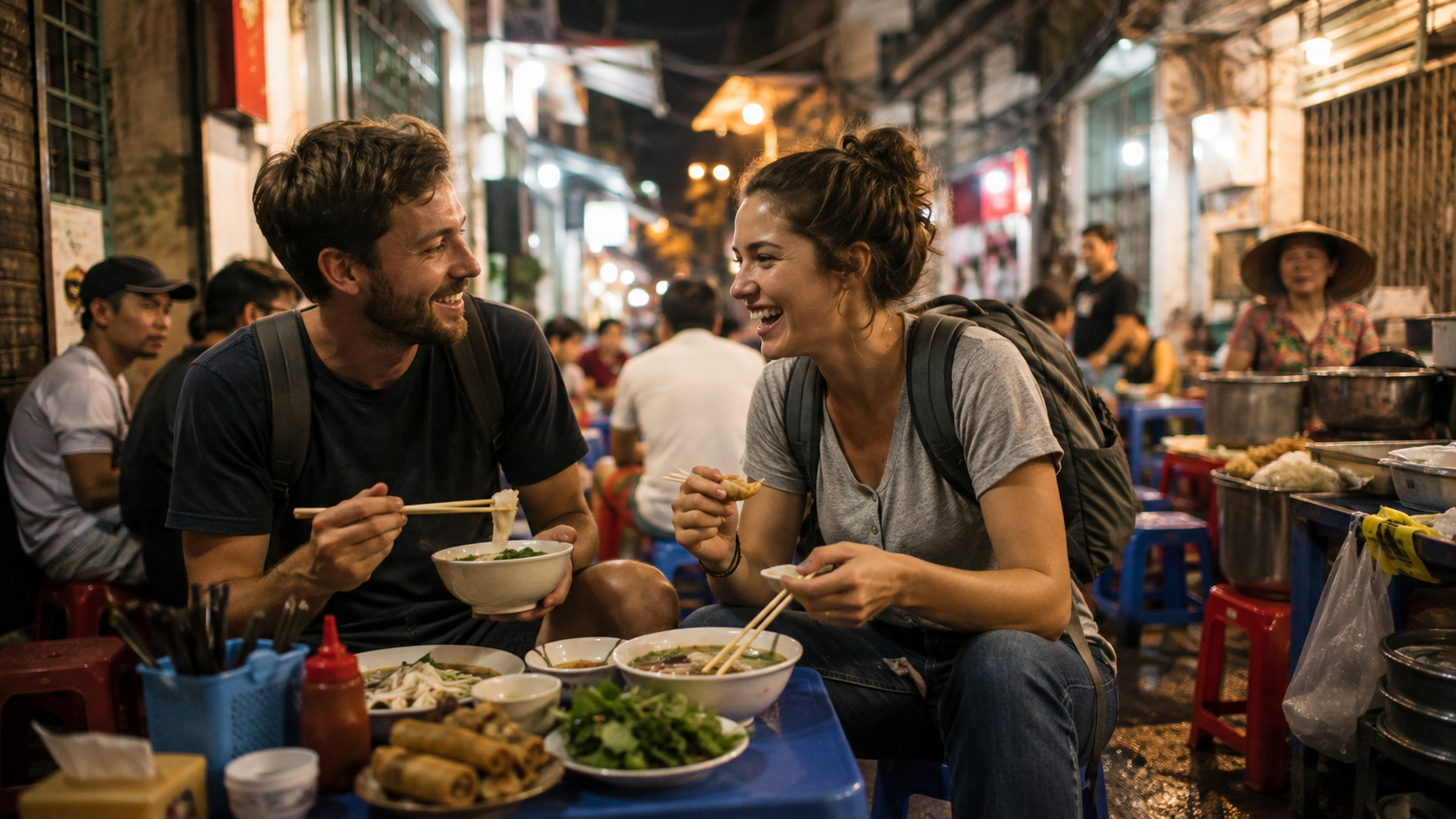
Food is part of cultural memory. Hue cuisine, Hoi An dishes, northern craft-village meals or Mekong Delta flavors can deepen the route. A heritage tour that ignores food misses an important way people carry tradition.
Mistake five: overlooking craft and material culture
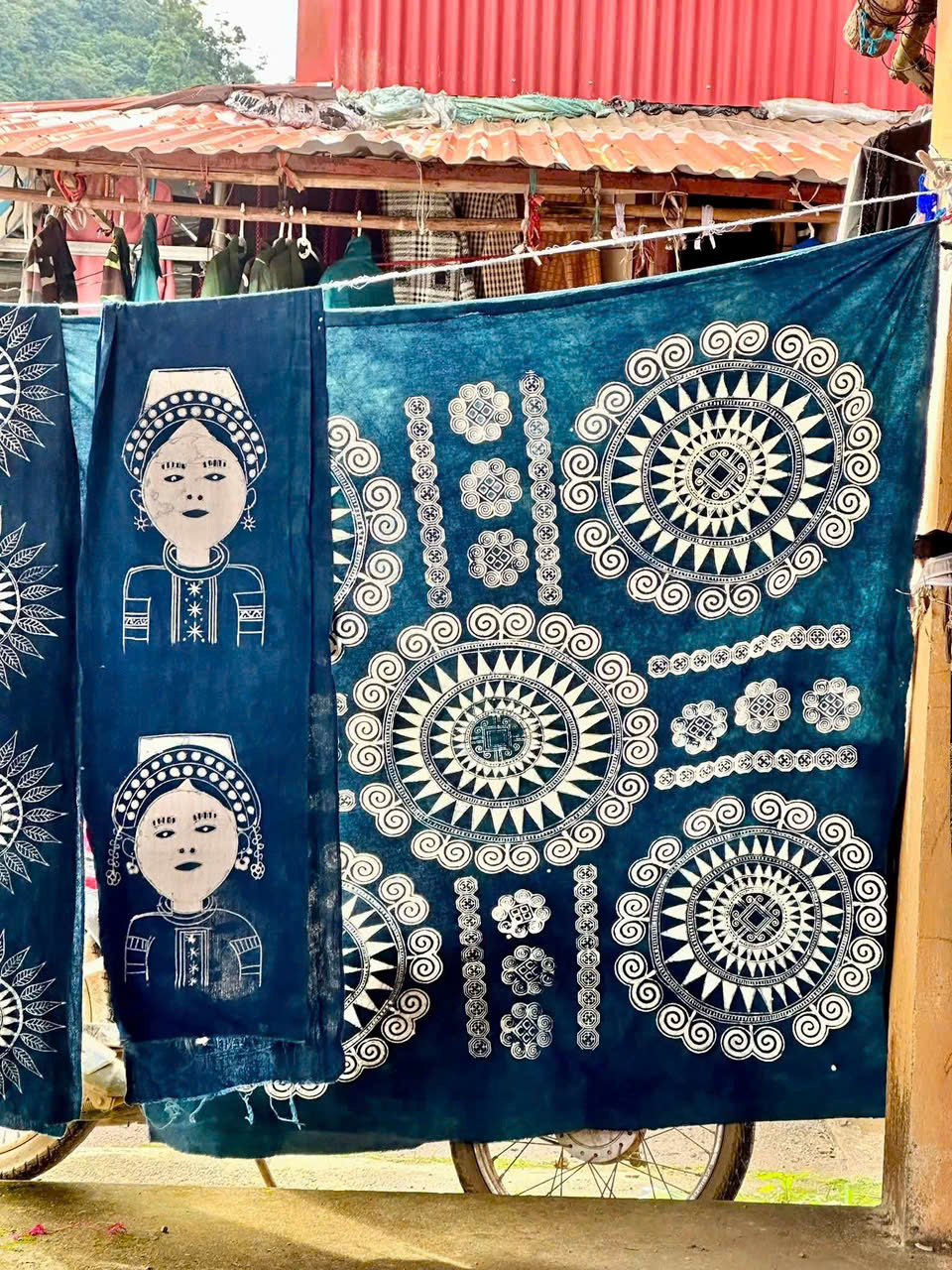
Craft is heritage in the hands. Ceramics, silk, lacquer, paper, woodwork and traditional tools show how knowledge passes through families and villages. These experiences can make heritage feel tactile rather than abstract.
A visit connected to traditional Vietnamese ceramics can help travellers understand culture through clay, fire, local skill and regional identity.
Protect pace, respect and emotional depth
Heritage travel can be tiring if every day contains heavy explanation and long walking. It can also become shallow if it is too fast. The best route alternates dense cultural visits with quieter time: a meal, a river walk, a craft stop, a garden, a local market or a free afternoon. Travellers should protect emotional depth. Vietnam’s heritage includes beauty, pride, conflict, faith, memory and resilience. It deserves a rhythm that allows reflection, not only movement.
Mistake six: visiting too many heavy sites in one day
Museums, tombs, citadels, pagodas and memorial sites can be meaningful, but too many in one day can overwhelm travellers. The mind needs space to absorb.
Mistake seven: ignoring heat and walking comfort
Heritage sites often involve courtyards, stone paths, stairs, outdoor areas and limited shade. Timing matters. Morning or late-afternoon visits may feel better than midday walking.
A practical Hue heritage travel tips can help travellers prepare clothing, shoes and pacing for cultural days.
Mistake eight: expecting all heritage to be polished
Some valuable places may feel lived-in, weathered or simple. That texture is part of their meaning. Travellers should not judge heritage only by restoration level or photo perfection.
Mistake nine: not leaving space for questions
Heritage tours become better when travellers ask questions. A good guide can adjust explanation toward architecture, religion, food, family life, war memory, craft or local customs.
Mistake ten: treating shopping as separate from culture
Buying directly from a craft village or artisan space can support local skill when done respectfully. The purchase should not be pressured, but it can be part of cultural exchange.
Mistake eleven: placing heritage days after heavy transfers
A deep cultural day requires attention. Avoid scheduling the most meaningful heritage visit immediately after a long flight, drive or late-night arrival.
Mistake twelve: choosing only famous UNESCO-style stops
Famous sites matter, but smaller cultural spaces can create more intimate understanding. A local workshop, family house or food stop may complete what a major monument begins.
Mistake thirteen: not adapting the route to the traveller
Some travellers want architecture, others want religion, food, craft, photography or history. Heritage tours should be personalized enough to follow real curiosity.
Mistake fourteen: forgetting that interpretation is the real value
Transport brings you to a place. Interpretation lets you understand it. For deeper design, Vietnam private cultural routes can help shape heritage days around meaning rather than simple movement.
Heritage tours in Vietnam are smoother when travellers slow down enough to understand what they are seeing. Avoid counting sites, ignoring guide quality, treating sacred places casually, separating food from culture or overloading heavy days. Vietnam’s heritage is alive in architecture, meals, music, craft, worship, memory and daily behavior. A strong route lets these layers speak to one another. With the right guide and rhythm, a heritage tour becomes more than sightseeing. It becomes a way to feel how Vietnam remembers, adapts and continues.
Tradition Việt
Hotline: (+84) 967 04 88 91 / (+84) 376 304 008
Email: info@traditionviet.com
Adresse: CT2A Hanoi Homeland