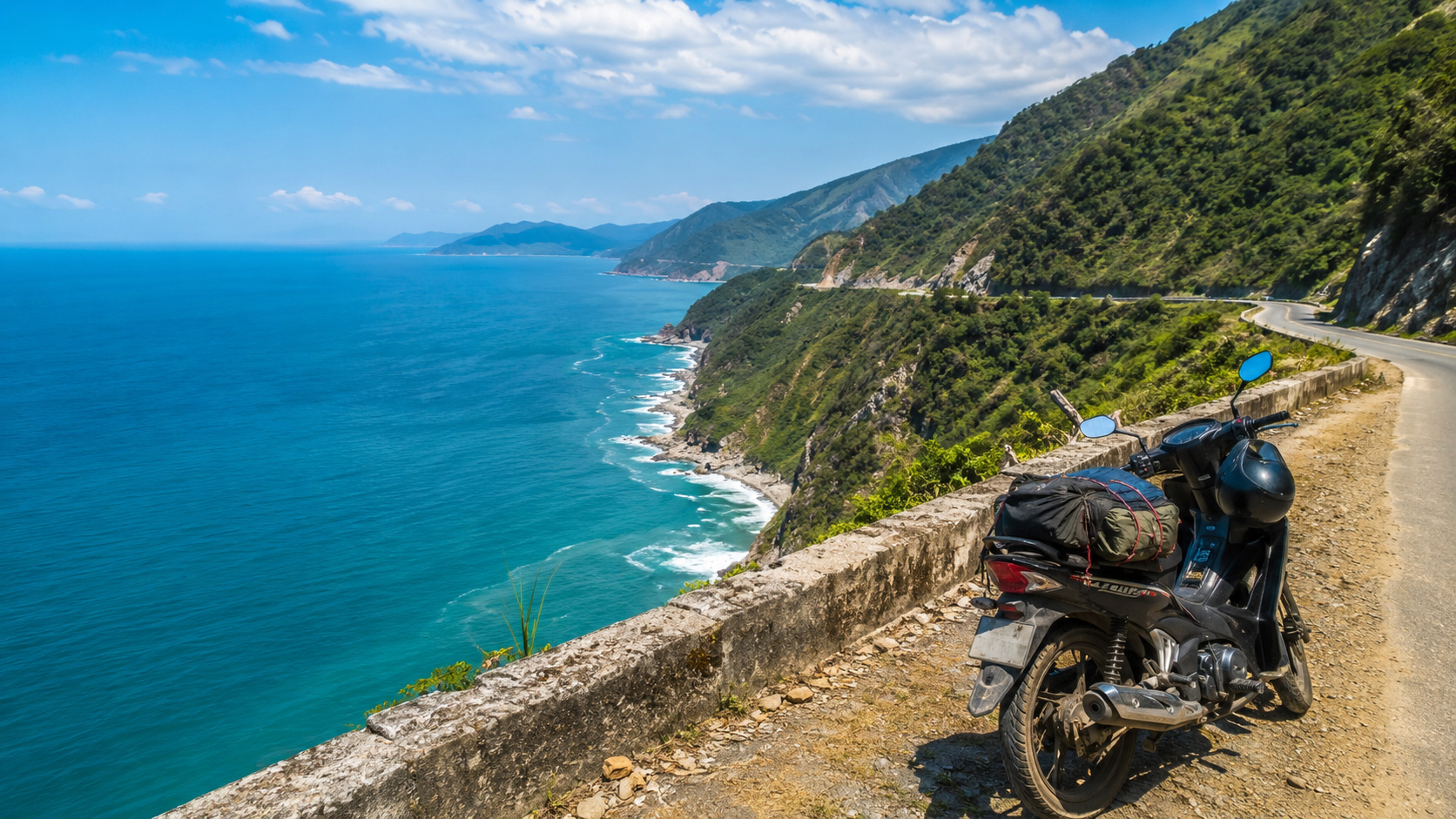

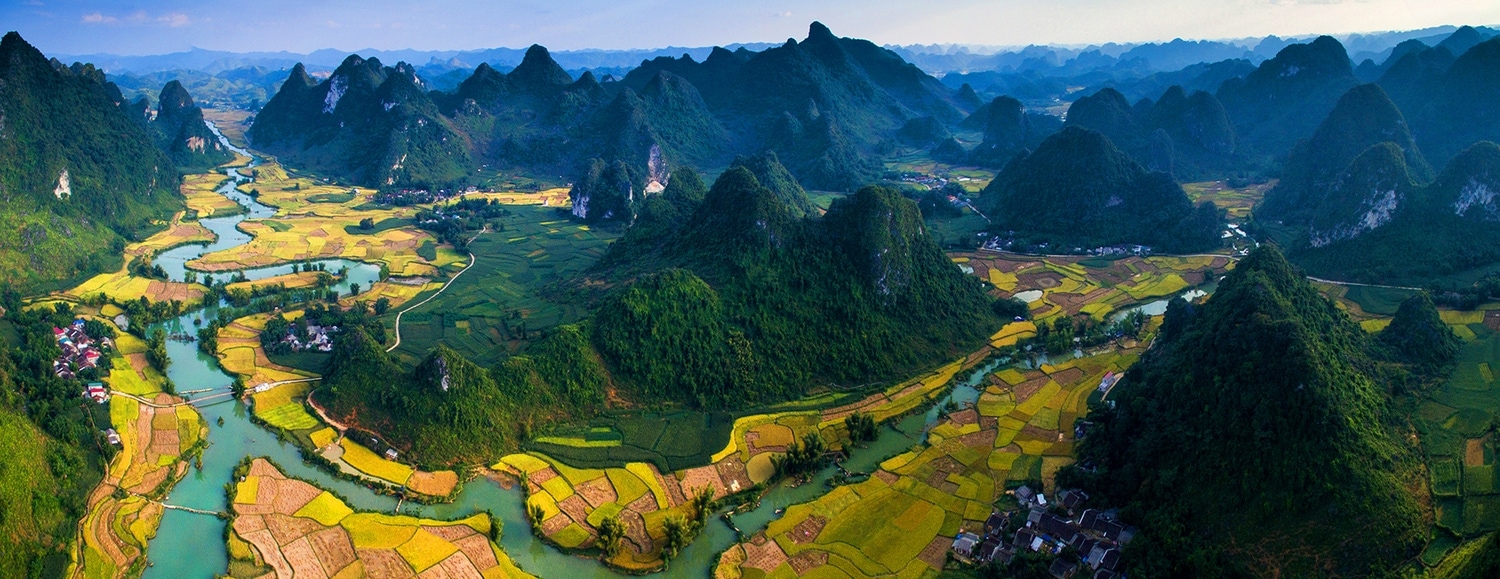
Travel to Vietnam becomes much smoother when travelers stop treating the country as a single straight line on the map. Vietnam has northern mountains, old capitals, central beaches, southern river life, large cities, island escapes and many different travel rhythms. The mistake is not wanting to see a lot; the mistake is trying to see everything without respecting distance, weather, transfer time and human energy. A good Vietnam journey needs more than a list of famous places. It needs pauses, smart sequencing, local food confidence, realistic travel days and a clear idea of what kind of experience matters most. When the route is shaped with care, Vietnam feels generous instead of overwhelming.
Avoid turning the itinerary into a race
Many first-time travelers want Hanoi, Halong Bay, Sapa, Hue, Hoi An, Da Nang, Nha Trang, Ho Chi Minh City, the Mekong Delta and Phu Quoc in one journey. The ambition is understandable, but Vietnam rewards rhythm more than speed. A crowded itinerary can make every destination feel like a transfer point. The traveler wakes up early, checks out, moves luggage, waits at stations or airports, arrives tired and repeats the same process again. The best trips are not the ones that collect the most names. They are the ones where each stop has enough time to become a memory.
Mistake one: choosing destinations before choosing rhythm
A route should begin with the way you want to feel. Do you want culture and food, beach rest, mountain walking, family comfort, romantic pacing or a broad first overview? Once that is clear, destinations become easier to choose.
A traveler who wants atmosphere may need more time in Hanoi and Hoi An. Someone looking for nature may give more weight to Halong Bay, Ninh Binh or Sapa. A beach-focused traveler may build around Nha Trang, Da Nang or Phu Quoc. A practical travel to Vietnam guide can help turn scattered ideas into a route with purpose.
Mistake two: underestimating transfer fatigue
A domestic flight may look short, but the full transfer includes hotel checkout, traffic, airport time, baggage, arrival transport and check-in. A road journey may be scenic, but it still takes energy. Travelers often count only the scheduled movement, not the emotional cost around it.
This is why back-to-back transfers weaken a trip. A beautiful destination can feel disappointing if you arrive too tired to enjoy it.
Give important places at least two nights when possible. This lets the first day settle and the second day become real exploration.
Also protect the day after a long transfer. A soft evening, a simple meal and a walk near the hotel can do more for the trip than another rushed attraction.
Mistake three: ignoring regional weather differences
Vietnam does not move through one single season at the same time. The north, central region and south can feel very different within the same month. This matters for trekking, beach time, cruises, walking tours and family travel.
Travel with Vietnam’s daily life, not only its landmarks
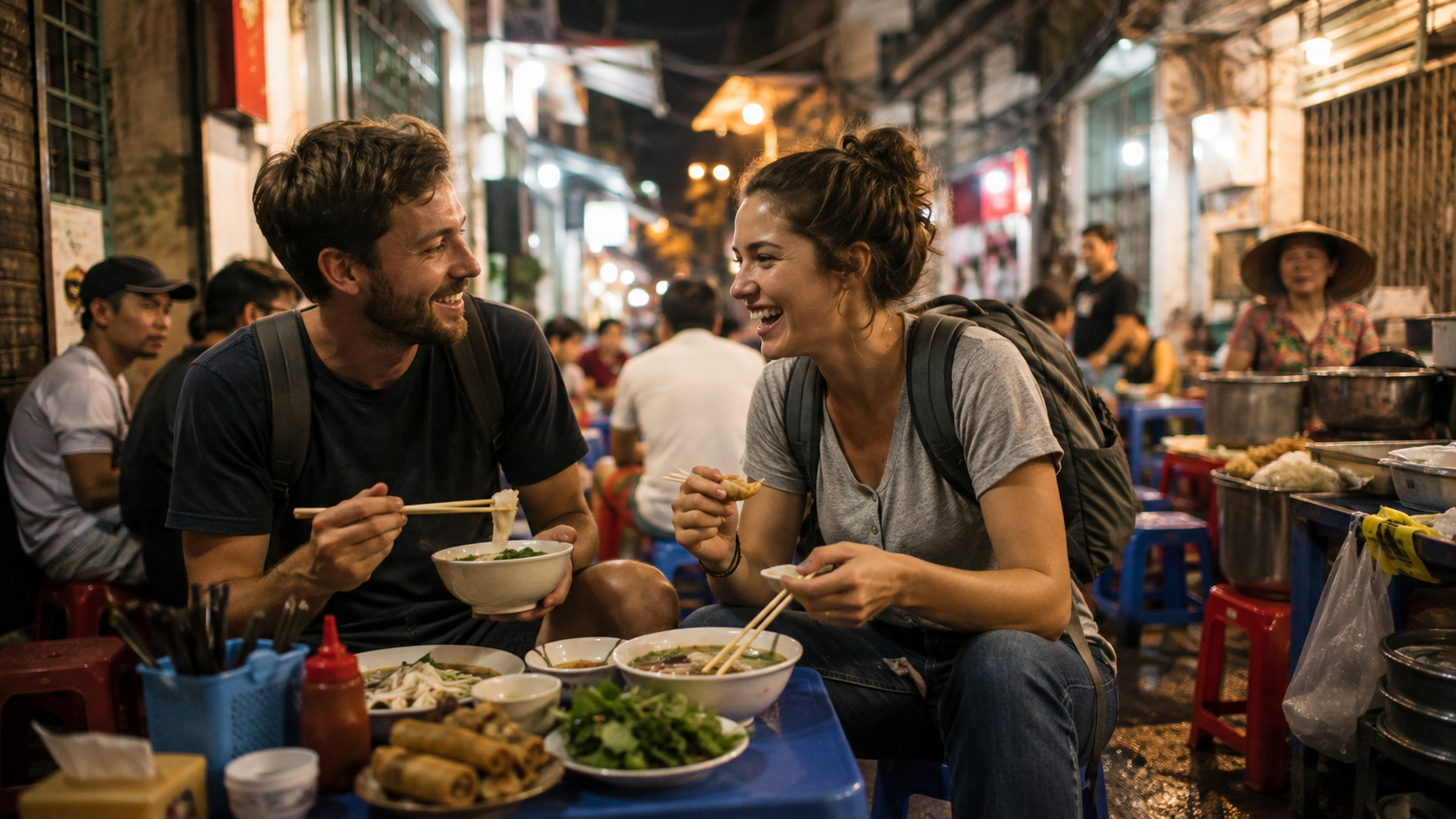
Vietnam’s strongest memories often appear between formal attractions. A bowl of noodles before the city wakes, a market lane full of herbs, a ferry crossing, a quiet pagoda courtyard, a cup of coffee above the street, a countryside road after rain — these are not secondary experiences. They are part of the country’s character. Travelers make mistakes when they see Vietnam only as a checklist of monuments and photo stops. The smoother trip is the one that leaves space for daily life. Local meals, walking time, guided explanation and flexible afternoons can make the journey feel more human and more connected.
Mistake four: eating only in safe-looking tourist places
Comfort matters, but eating only in tourist-facing restaurants can make Vietnam feel less vivid. Local food is one of the easiest ways to understand the country. Travelers do not need to be reckless; they need good guidance, clean busy places and a willingness to try regional dishes.
A food walk in Hanoi, a seafood dinner in Nha Trang, a home-style meal in the Mekong Delta or a market visit in Hoi An can become a major memory. For travelers who want more confidence, Vietnam food tours can introduce the cuisine through context rather than guesswork.
Mistake five: booking every hour too tightly
Vietnam is alive, and lively places need flexible time. Traffic, rain showers, heat, market rhythms and local events can change the feeling of a day. If every hour is fixed, the traveler has no room to adapt.
A good plan includes open pockets. These can become coffee time, rest, shopping, a walk, a slower lunch or a return to a favorite place.
Families, couples and older travelers especially benefit from looser days. The trip becomes smoother when the body is not always catching up with the schedule.
Local planning through Vietnam travel agency support can help keep the route structured without making it rigid.
Mistake six: treating guide support as optional everywhere
Some places are easy to wander independently, but others become much richer with a guide. History, food culture, craft villages, religious spaces, countryside routes and busy cities can be misunderstood without context.
The guide should not control the whole trip. The guide should deepen the right moments.
A well-placed guided morning can make the rest of the stay easier because travelers understand the city, its food, its movement and its local etiquette.
This is especially useful on a first trip to Vietnam. You may need freedom, but you also need orientation.
Travel to Vietnam becomes smoother when travelers design the journey around rhythm, not pressure. Avoid overloading the route, underestimating transfers, ignoring regional weather, eating only in tourist places, scheduling every hour and rejecting useful local guidance. Vietnam is rich because it is varied: mountains, rivers, cities, coastlines, craft, food and family life all move differently. A good itinerary lets these differences appear without forcing them into a race. When the route has enough space, the country becomes easier to feel, easier to understand and far more memorable.
Tradition Việt
Hotline: (+84) 967 04 88 91 / (+84) 376 304 008
Email: info@traditionviet.com
Adresse: CT2A Hanoi Homeland