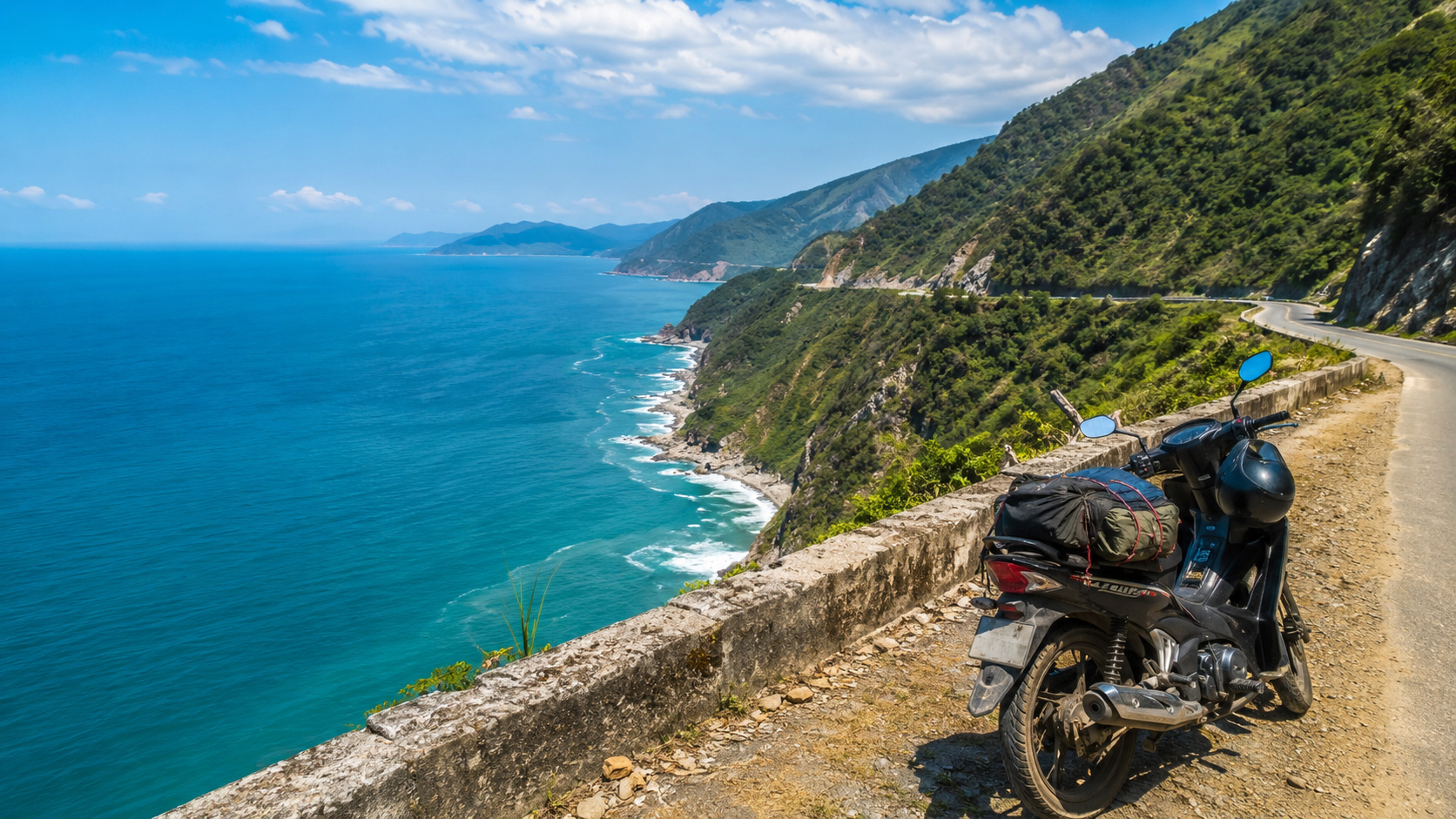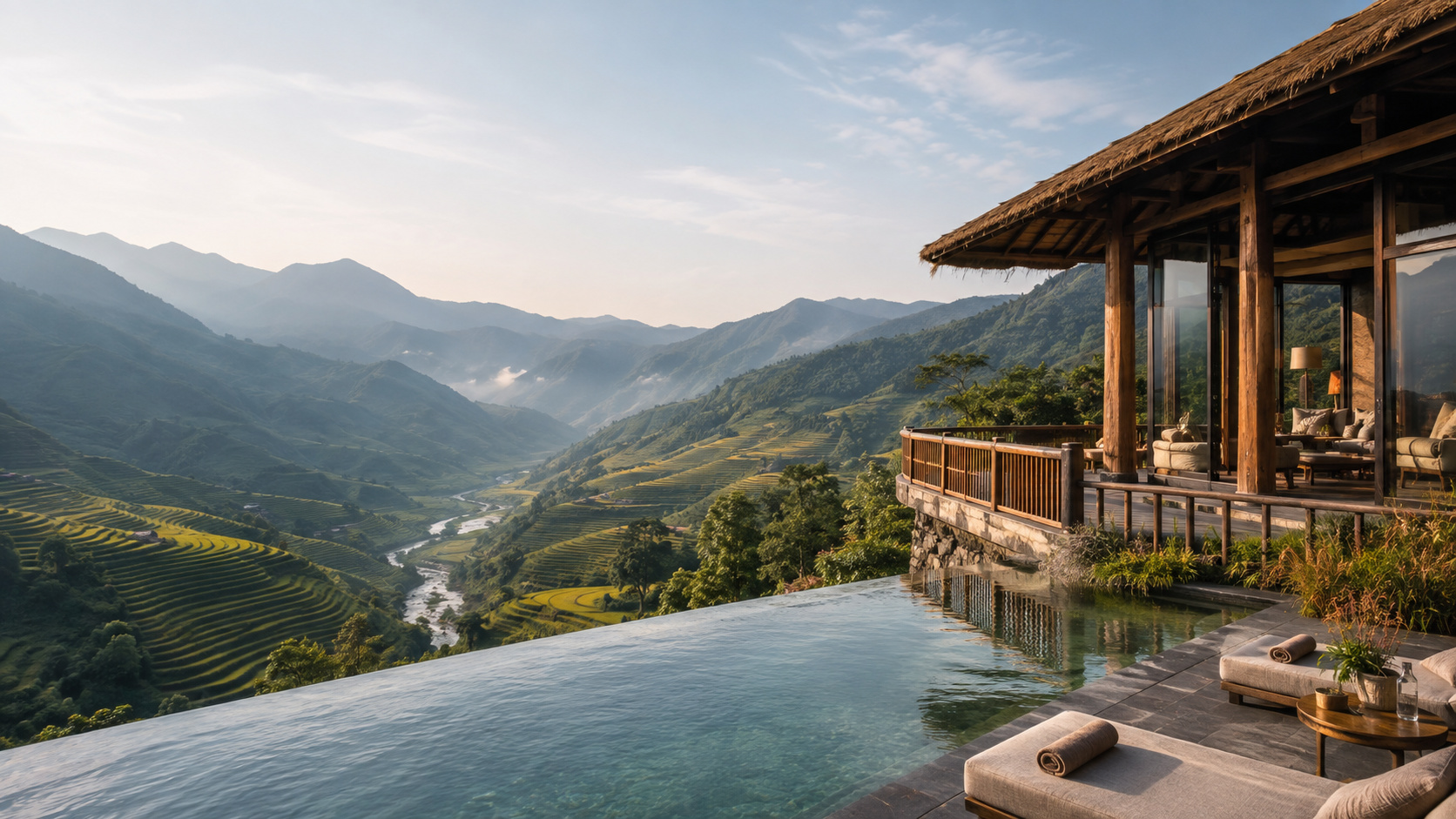

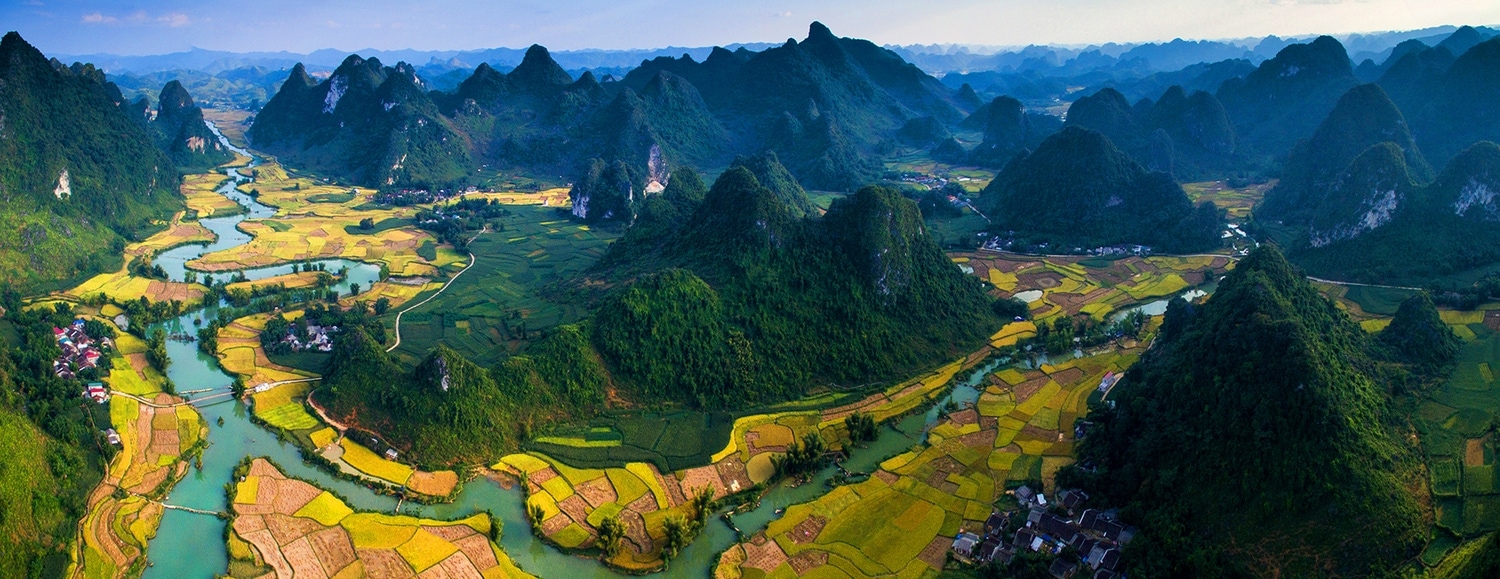
A Vietnam motorbike adventure carries a strong promise: open roads, changing landscapes, roadside meals, mountain air, coastal light and the feeling of moving through the country at human speed. It can be one of the most intense ways to experience Vietnam, but it should never be treated as a casual add-on. Motorbike travel asks for preparation, humility and good judgment. The route must fit the rider, not the other way around. A great adventure is not defined by how far you go or how dramatic the road looks online. It is defined by how safely, clearly and meaningfully you move through each region while staying alert enough to enjoy the ride.
Prepare the adventure before the first kilometer
The real motorbike adventure begins before departure. It begins when travelers decide which region fits their ability, how many hours per day they can ride, what kind of road they can manage and how much support they need. Vietnam offers many riding moods: northern passes, central highlands, coastal stretches, rural backroads and short local routes near major destinations. Each has a different level of difficulty. A responsible traveler should not choose only by photos. The best preparation considers road surface, weather, traffic, legal requirements, luggage, health, fatigue and backup support. Once these foundations are clear, the ride becomes more enjoyable and less improvised.
Choose the region according to your confidence
A first motorbike adventure should not automatically begin with the most difficult route. Some riders may prefer a guided central route, a short countryside loop or a passenger-style experience before attempting more demanding mountain roads. Confidence grows when the route is chosen honestly.
Experienced riders can consider longer and more varied routes, but they should still respect Vietnam’s local road conditions. Animals, village traffic, trucks, weather and unfamiliar road behavior can change the ride quickly.
When exploring Vietnam motorcycle tour ideas, look for routes that explain riding level clearly rather than only selling scenery.
Do not overpack
A motorbike adventure punishes unnecessary luggage. Heavy bags slow movement, make parking harder and reduce comfort. Pack light, use waterproof layers and keep essential items easy to reach.
Build short days at the beginning
The first riding day should be moderate. Travelers need time to understand the bike, the guide, the roads and their own concentration level. Starting with an overly long day can damage confidence and create avoidable fatigue.
Shorter early days also allow the group to adjust. The guide can see how riders handle turns, traffic and road surfaces. Riders can ask questions before the route becomes more remote.
After the first or second day, the journey can become more ambitious if everyone feels comfortable. A gradual build is often safer and more satisfying than immediate intensity.
For route planning, Vietnam motorcycle tour practical tips can help riders decide how much distance and difficulty to accept.
Let the road create memory, not pressure
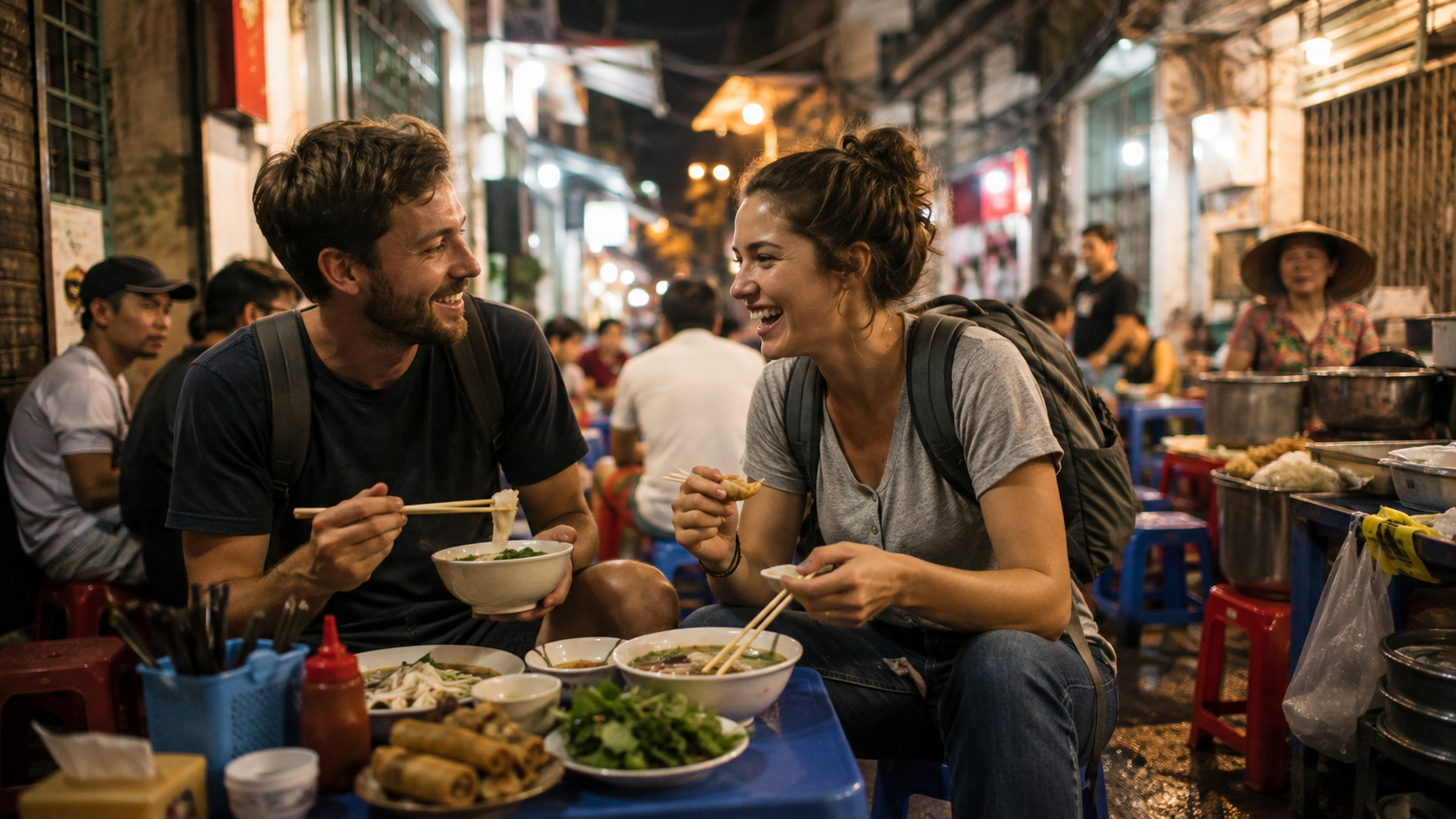
A motorbike adventure should not feel like a test of toughness. It should feel like a deeper way to meet Vietnam. The best moments may be small: stopping for coffee beside a road, watching clouds move over a pass, eating lunch in a town you did not know before, or arriving at a homestay while the evening light falls across the fields. If the route is too aggressive, these moments disappear. Riders become focused only on finishing the day. A better plan makes room for pauses, local meals, roadside conversations and flexible timing. This is how the road becomes memory rather than pressure.
Keep speed secondary to attention
Speed is not the point. Attention is the point. Vietnam’s roads ask riders to read movement constantly: another bike turning, a truck passing, a child near the road, gravel after rain, or livestock crossing slowly.
Use local guidance where roads become complex
A guide can protect the adventure without removing freedom. Local guidance is especially useful in mountain regions, unfamiliar rural areas or routes where weather affects safety. The guide knows where to slow down, where to stop and which sections may be unsuitable after rain.
A good guide also adds cultural value. They can explain the region, choose local meals, help with accommodation and translate small interactions that make the journey warmer.
Travelers comparing guided and independent riding can review Vietnam motorcycle tour budget and logistics before deciding how much support is worth paying for.
Respect weather as part of the route
Weather is not a side note in motorbike travel. Rain, fog, heat and wind can change both safety and mood. A route that feels easy in dry conditions may become difficult when wet.
Travelers should bring proper rain gear, protect electronics and accept that plans may need to change. A flexible route is not a failure; it is a sign of good judgment.
The best motorcycle travelers are not the ones who force the plan. They are the ones who know when to pause, shorten the day or wait for better visibility.
If the journey is important or unfamiliar, Vietnam motorcycle tour with local support can help match road style, guide support and traveler confidence before departure.
A Vietnam motorbike adventure can become one of the most vivid memories of the country when it is prepared properly. Choose the region honestly, pack lightly, build the first days gently, respect weather and use local guidance where it adds safety and depth. The aim is not to conquer Vietnam’s roads. It is to travel through them with awareness. When the ride has the right rhythm, the country opens in details: mountain bends, river crossings, roadside kitchens, small towns and the quiet pride of arriving safely after a meaningful day. That is the real reward of motorbike travel.
Tradition Việt
Hotline: (+84) 967 04 88 91 / (+84) 376 304 008
Email: info@traditionviet.com
Adresse: CT2A Hanoi Homeland