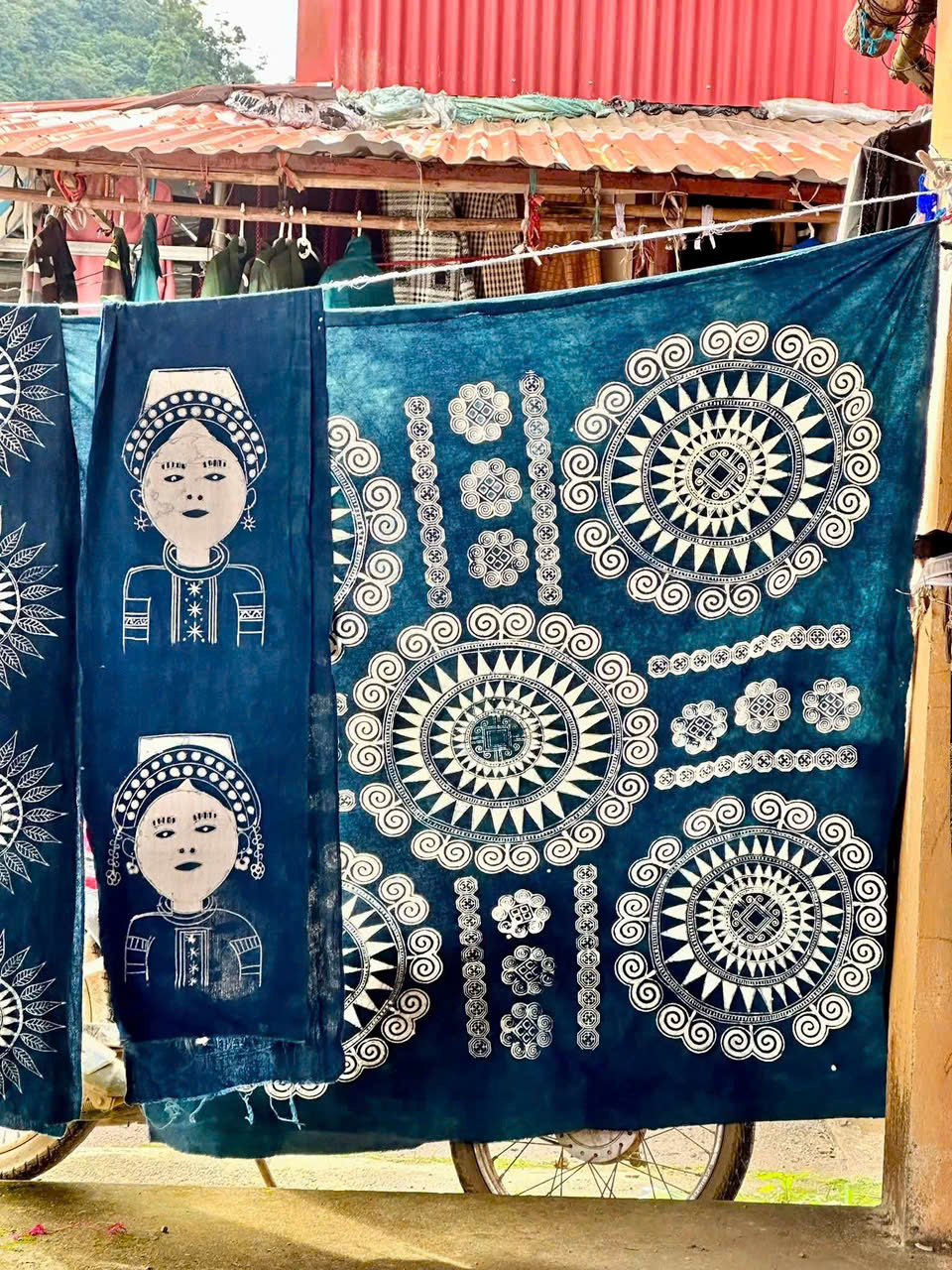


Heritage tours in Vietnam should do more than move travelers between old buildings. Vietnam’s heritage lives in imperial citadels, ancient towns, temples, communal houses, craft villages, family rituals, local food, river landscapes and stories carried by communities. A strong heritage journey helps visitors understand how history remains visible in daily life. It should connect architecture with memory, religion with household customs, craftsmanship with regional identity, and monuments with the people who still live around them. Choosing this kind of tour requires attention to depth. The question is not only which sites are included. The deeper question is whether the route helps travelers feel why those places still matter.
Look for meaning behind the monuments
Heritage travel can become flat when it is reduced to dates, gates and photo stops. Vietnam’s historic places need interpretation. Hue is not only a former imperial capital; it carries court culture, river geography, cuisine, poetry and royal memory. Hoi An is not only a preserved old town; it reflects trading history, architecture, craft and the way a community manages change. Northern villages, temples and craft areas reveal another layer of local identity. A good heritage tour should guide travelers through these layers with patience. It should make the visible details speak: roofs, altars, streets, ceramics, woodwork, meals, incense, gardens and family customs.
Choose guides who can explain context
A heritage guide should be able to explain more than what happened. They should explain why it mattered, how it shaped the region, and what remains in everyday life. This is what turns a site visit into cultural understanding.
Connect heritage with living culture
Vietnamese heritage is not locked inside monuments. It continues in markets, kitchens, festivals, worship practices, craft workshops, music, clothing, language and local manners. A good tour should include some living context so travelers do not feel they are only studying the past.
This living dimension can be simple. A meal after a heritage visit, a walk through a local neighborhood, a craft demonstration or a conversation with a guide can help connect memory to present life.
Travelers interested in deeper cultural routes can begin with places such as Hue guided tours, where architecture, royal history and local atmosphere can be read together.
Avoid overloading the route with too many sites
Heritage travel needs time. If the itinerary includes too many temples, houses, museums and monuments in one day, even meaningful places begin to blur. Travelers may remember being tired more than being moved.
A better route chooses fewer places and gives each one enough space. This allows the guide to explain, the traveler to ask questions and the atmosphere to settle.
It is also useful to mix major sites with smaller details. A famous monument can give historical scale, while a local lane, craft object or meal can make the heritage feel human.
Photography should not dominate the experience. Heritage places deserve observation. Sometimes the best memory comes from standing quietly in a courtyard, listening to the guide and noticing how light falls across old materials.
Build a route across regions, stories and senses
Vietnam’s heritage differs from region to region. The north may emphasize old villages, craft traditions, temples and layered urban memory. Central Vietnam carries imperial history, old trading ports, Cham remains, garden houses and cuisine shaped by court and local life. The south offers river cultures, colonial traces, urban transformation and spiritual diversity. A thoughtful heritage tour can connect these regional voices without making them feel identical. It should also engage the senses. Heritage is not only seen; it is tasted in food, heard in stories, smelled in incense, felt in handmade materials and understood through local rhythm. This is where the route becomes memorable.
Let food deepen the historical experience
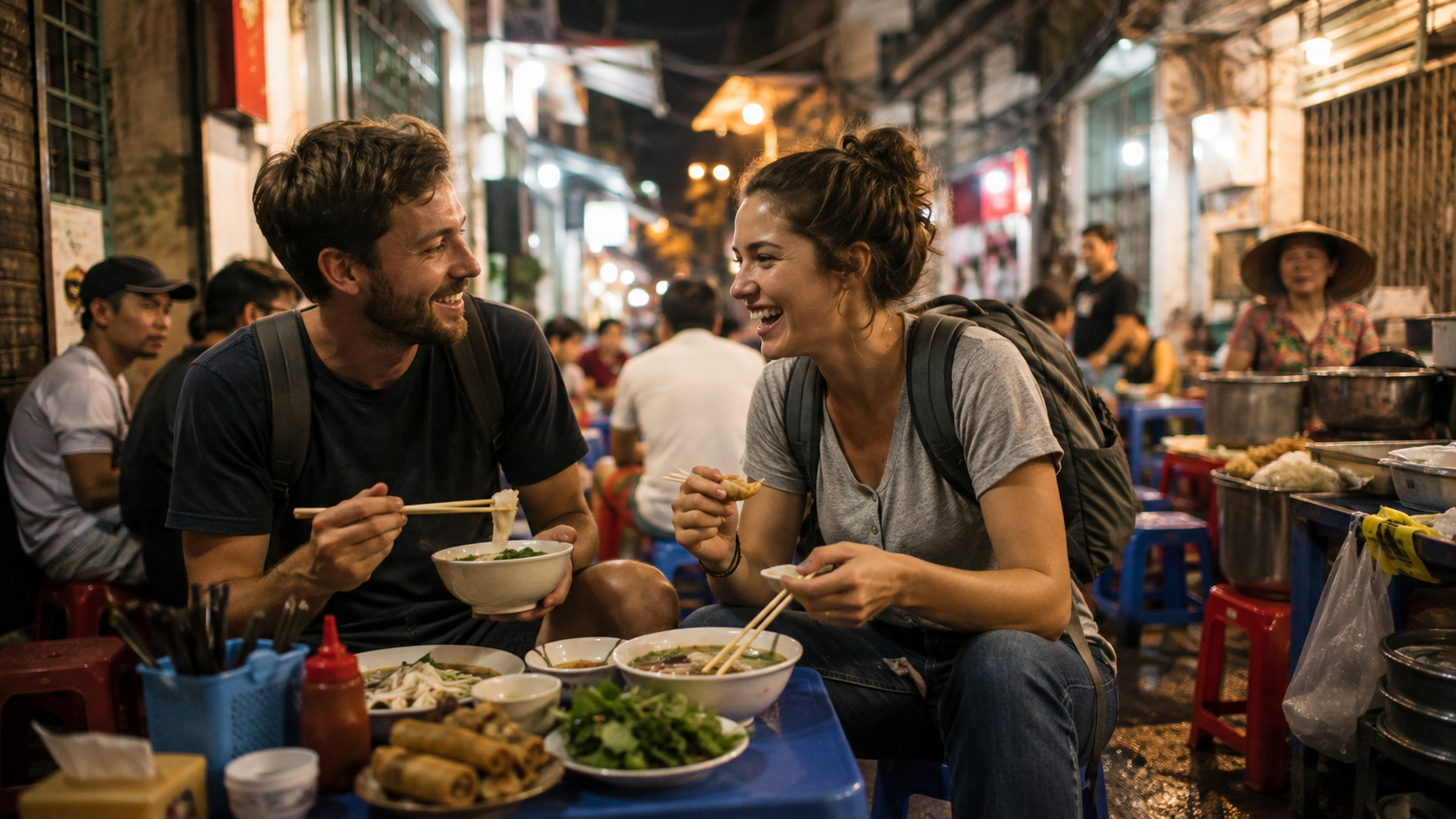
Food can carry heritage quietly. Hue cuisine, Hoi An specialties, northern village meals and southern river dishes all reveal history through ingredients, technique and setting. A heritage itinerary should not treat meals as empty breaks.
Include craft and local production
Craft villages and artisan workshops can make heritage tangible. Ceramics, silk, lacquer, woodwork, paper, embroidery and traditional objects help travelers understand how skill is passed through generations. These visits should be handled respectfully, not as shopping pressure.
A good guide can explain materials, process and cultural use. This helps travelers see craft as knowledge, not decoration.
Vietnam has many craft identities connected to specific regions. Exploring traditional ceramics of Phu Lang is one example of how local skill, landscape and cultural memory can meet.
Check the rhythm of each heritage day
Heritage days should be paced differently from adventure days. They need time for listening, walking slowly, entering spaces respectfully and absorbing stories. Too many transfers weaken attention.
Morning visits often work well for important sites because the mind is fresh and the heat may be easier. Afternoon can be reserved for craft, food, museums or quieter walks.
Travelers should also check clothing and etiquette. Some temples, pagodas and communal spaces require modest dress and respectful behavior. A strong tour prepares guests before arrival rather than correcting them awkwardly on site.
For travelers building a broader route, Vietnam private tours can help shape heritage days around personal interests rather than fixed sightseeing lists.
Choose interpretation over performance
Some heritage experiences are carefully staged for visitors. They can be enjoyable, but travelers should know whether they are watching a performance, joining a workshop, visiting an active community or entering a preserved site. Each has a different meaning.
The most respectful tours explain this difference. They help travelers appreciate cultural presentation without confusing it with everyday life.
Local planning through Vietnam travel agency support can be useful when travelers want heritage depth rather than only a standard route of famous stops.
Heritage tours in Vietnam are most rewarding when they move beyond monuments and into meaning. The strongest routes connect architecture, food, craft, ritual, landscape and regional memory. They allow enough time for explanation and silence, not only photographs. They choose guides who can interpret context and help travelers behave respectfully in cultural spaces. Vietnam’s heritage is not one story but many: imperial, village, river, trading, spiritual, craft-based and modern. When a tour gives these layers room to appear, the journey becomes more than sightseeing. It becomes a thoughtful encounter with the country’s living memory.
Tradition Việt
Hotline: (+84) 967 04 88 91 / (+84) 376 304 008
Email: info@traditionviet.com
Adresse: CT2A Hanoi Homeland