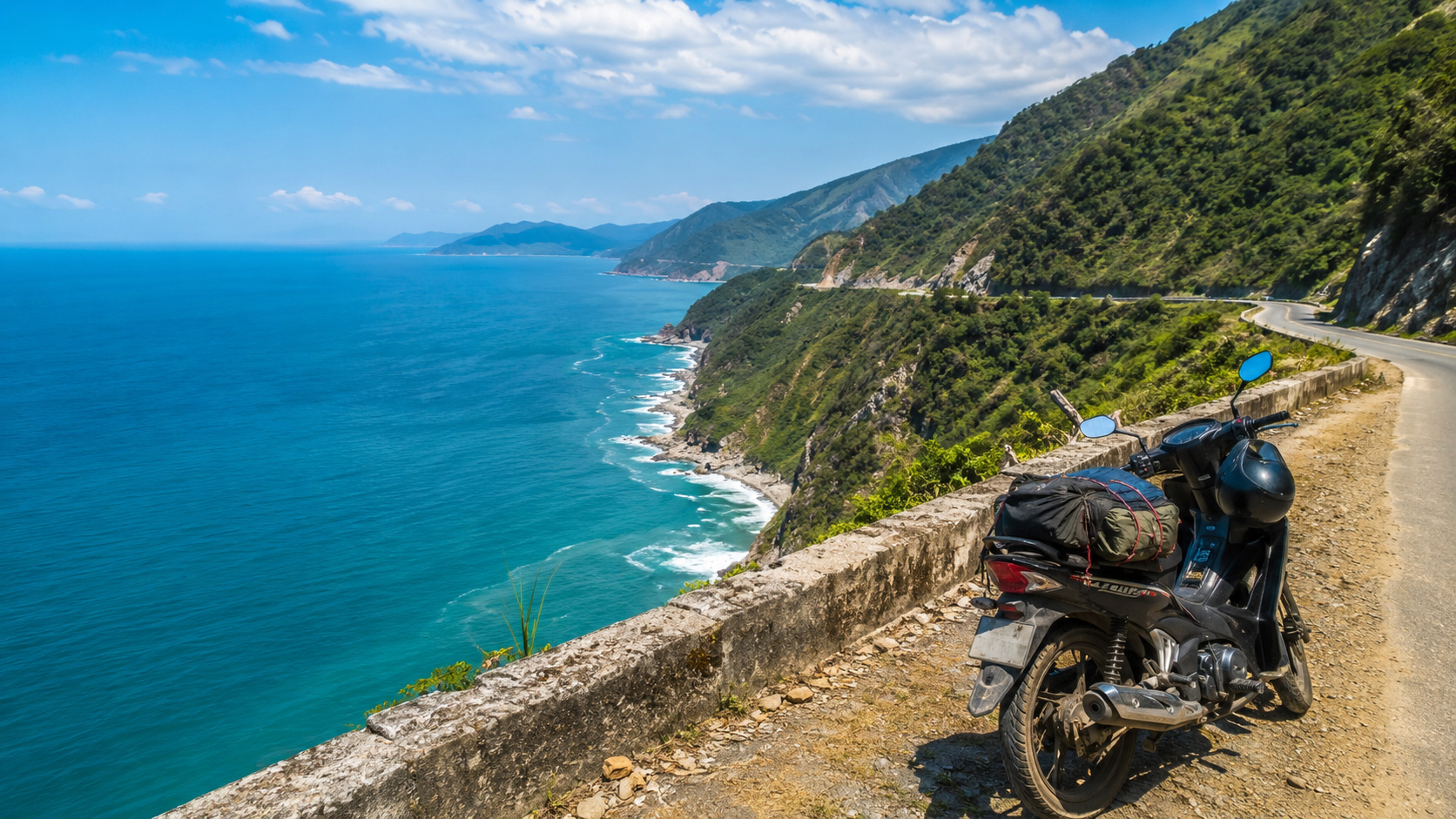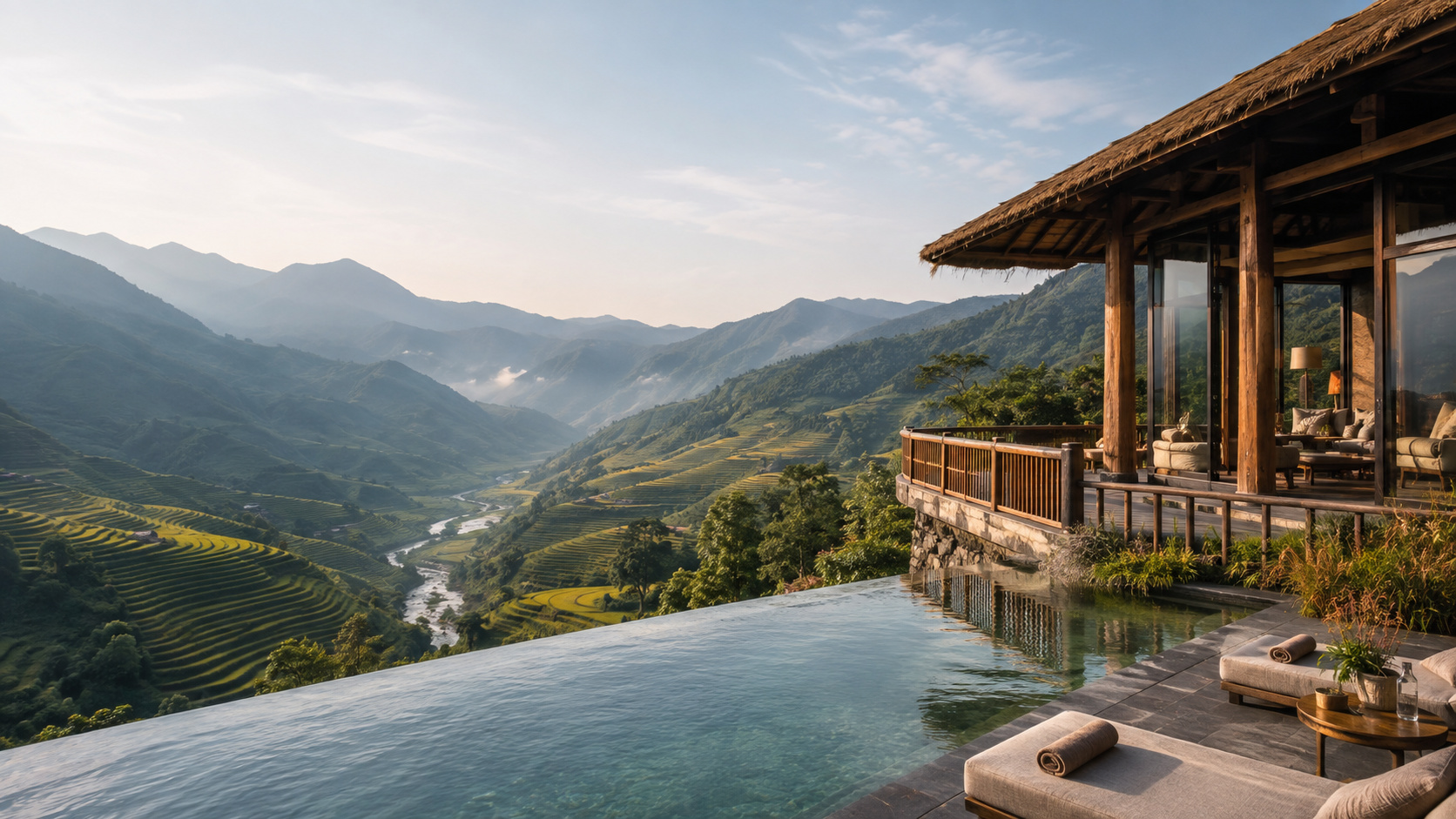


A Vietnam 2 week itinerary gives travelers something precious: enough time for contrast. With fourteen days, Vietnam can be more than a fast introduction. The route can begin in the old streets of Hanoi, open into limestone water, move through imperial or ancient-town landscapes, then continue toward southern energy, river life or a beach ending. But two weeks can still be wasted if every day is treated as space to fill. The best itinerary uses the extra time to deepen the journey, not overload it. It lets travelers stay longer, return to a favorite street, rest after transfers and understand how different regions speak with different accents, flavors and rhythms.
Use two weeks to slow down, not to add everything
Fourteen days may sound generous, but Vietnam can still outgrow the calendar. The country has mountains, bays, heritage towns, cities, beaches, deltas and highland routes. If every region is added only because it is famous, the trip becomes busy rather than rich. A stronger two-week itinerary chooses a main direction and allows each region to breathe. The traveler should feel a difference between the first week and the second: perhaps northern culture and landscapes first, then central heritage and southern river life; or cities and mountains first, then beach rest. The value of two weeks lies in pacing. It lets the journey become layered.
Give key places two or three nights
Two or three nights in a destination can transform the experience. The first day is often arrival and orientation. The second day allows real exploration. A third night gives travelers the chance to slow down, revisit a place, or take a day trip without packing again immediately.
Build contrast between regions
Vietnam is rewarding because the regions do not feel the same. Hanoi is not Ho Chi Minh City. Hue is not Hoi An. Halong Bay is not the Mekong Delta. A good two-week route should let these contrasts appear naturally instead of blurring them through speed.
This means paying attention to order. A mountain or bay experience after a city can feel refreshing. A beach pause after cultural walking can restore energy. A river day near the end can soften the transition before departure.
Travelers shaping a longer route can use a 2-week Vietnam itinerary guide to see how regions can be connected without losing rhythm.
Decide what kind of ending you want
The ending matters more in a two-week trip because the body has already moved through many impressions. Some travelers need a beach ending in Phu Quoc, Nha Trang, Da Nang or Hoi An’s coastal area. Others prefer ending in Ho Chi Minh City with food, shopping and a final urban evening.
A calm ending can help the whole journey feel more complete. If the last days are packed with long transfers, the return home may feel abrupt. If the final stop is chosen carefully, the trip has time to settle.
For couples or families, the final stage should be especially gentle. It is often the moment when people remember the trip together rather than chase one more famous site.
Let the itinerary carry culture, nature and daily life
A two-week route has room to include more than postcard highlights. It can carry city walks, food, river movement, craft, countryside, heritage, beaches and local encounters. The challenge is making these experiences support each other. A day in Hanoi can prepare the traveler to notice food and street rhythm elsewhere. A visit to Hue can deepen understanding of Vietnamese history. Hoi An can slow the pace and introduce craft, architecture and evening atmosphere. The Mekong Delta can bring another relationship with water and daily life. The route should not feel like separate pieces. It should feel like one conversation with the country.
Mix guided days with independent time
Guided days are useful when context matters. Hanoi, Hue, Ho Chi Minh City, heritage sites and countryside routes become richer when someone explains what the traveler is seeing. But too many guided days can make the trip feel controlled.
Use transfer days gently
In a two-week itinerary, transfer days should not be treated as full sightseeing days. Even if a flight or drive is short, packing, waiting and arriving can reduce energy. It is better to design those days with one main movement and one soft experience.
For example, a morning flight followed by a relaxed old-town walk may work well. A long drive followed by a complex evening tour may not. The route should respect the human body, not only the calendar.
A practical 2-week Vietnam transport guide can help decide when to fly, drive, cruise or simplify.
Make space for food memories
Food is one of the best reasons to travel slowly in Vietnam. With two weeks, travelers can move beyond famous dishes and begin to notice regional differences: northern broths, central spices, Hoi An specialties, southern sweetness, coastal seafood and river produce.
Meals should not always be rushed between activities. Some lunches and dinners deserve to become events in themselves. A food walk, a market visit, a home-style meal or a carefully chosen restaurant can deepen the journey.
Travelers should also leave room for accidental favorites. The small café discovered near a hotel or the simple noodle shop recommended by a guide may become more memorable than a planned attraction.
For travelers who want the route shaped around personal interests, custom 2-week Vietnam itinerary support can help balance culture, nature, food and rest.
Keep one unscheduled half-day
A two-week itinerary should contain at least one unscheduled half-day. This gives the traveler room to rest, shop, return to a favorite place, recover from weather changes or simply do nothing.
Unscheduled time is not a weakness in planning. It is a sign that the itinerary understands real travel. Vietnam is vivid, and vivid places require pauses.
Families may use this time for laundry and pool rest. Couples may use it for a quiet meal. Solo travelers may use it to wander. The purpose is different, but the value is the same.
A Vietnam 2 week itinerary should feel generous without becoming crowded. Fourteen days allow travelers to see more of the country, but the real advantage is the ability to slow down, stay longer and connect regions with meaning. Choose a clear route, protect two- or three-night stays, mix guided depth with independent time, and let food, scenery and local life become part of the structure. Vietnam is not best understood by speed. It opens gradually through contrast: north and south, city and river, old town and coast, movement and rest. When two weeks are used wisely, the journey feels complete without feeling forced.
Tradition Việt
Hotline: (+84) 967 04 88 91 / (+84) 376 304 008
Email: info@traditionviet.com
Adresse: CT2A Hanoi Homeland