
Backpacker friendly Vietnam tours should feel open, flexible and alive, not stripped down until the journey loses its meaning. Vietnam is naturally generous to independent travelers: street food is rich, transport options are varied, guesthouses can be welcoming, and many of the best memories happen in markets, alleys, beaches, rivers and mountain paths rather than behind expensive gates. Still, backpacker travel needs judgment. Saving money in the wrong place can lead to exhausting transfers, weak guidance, unsafe timing or shallow routes. The smartest backpacker plan keeps the essentials strong: a logical itinerary, reliable movement, local contact, enough rest and the freedom to follow curiosity when Vietnam offers something unexpected.
Travel light, but do not travel carelessly
Backpacking in Vietnam works best when the traveler knows the difference between simple and careless. Simple means carrying less, choosing local food, staying in practical accommodation and using flexible routes. Careless means ignoring travel time, booking the cheapest transfer without checking comfort, or trying to cross the country too quickly. Vietnam rewards travelers who can move lightly but think clearly. A backpacker tour should not feel like a rigid package, yet it should still protect the backbone of the journey. That backbone includes where you start, how you move between regions, which experiences need guidance and which days should remain open for your own discoveries.
Build the route around movement, not just destinations
Vietnam looks easy to cross on a map, but distance behaves differently on the ground. A route that jumps from Hanoi to Sapa, Halong Bay, Hoi An, Ho Chi Minh City and the Mekong Delta in a short time may look adventurous but feel like a transport project. Backpackers should plan movement first, then choose destinations that fit naturally.
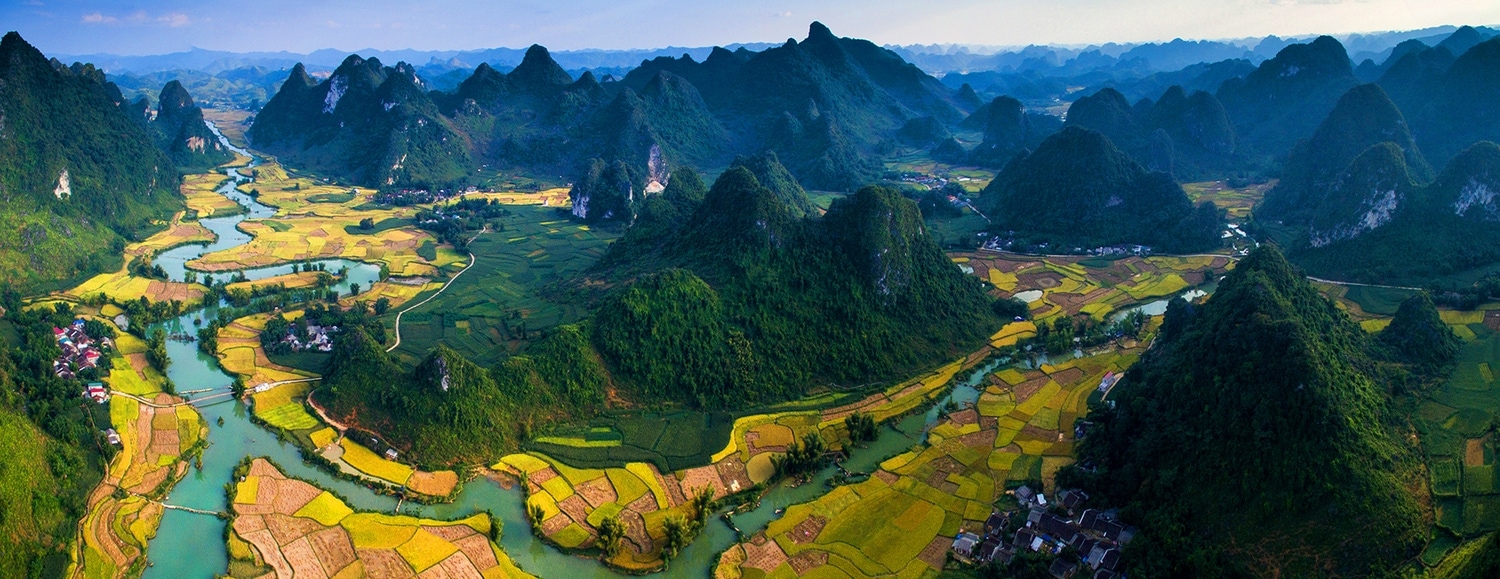
The strongest backpacker routes usually accept trade-offs. You may choose the north for mountains and limestone landscapes, central Vietnam for old towns and beaches, or the south for city energy and river life. A broad Vietnam travel planning guide can help you decide which region deserves more time instead of spreading the trip too thin.
Keep one or two anchor experiences
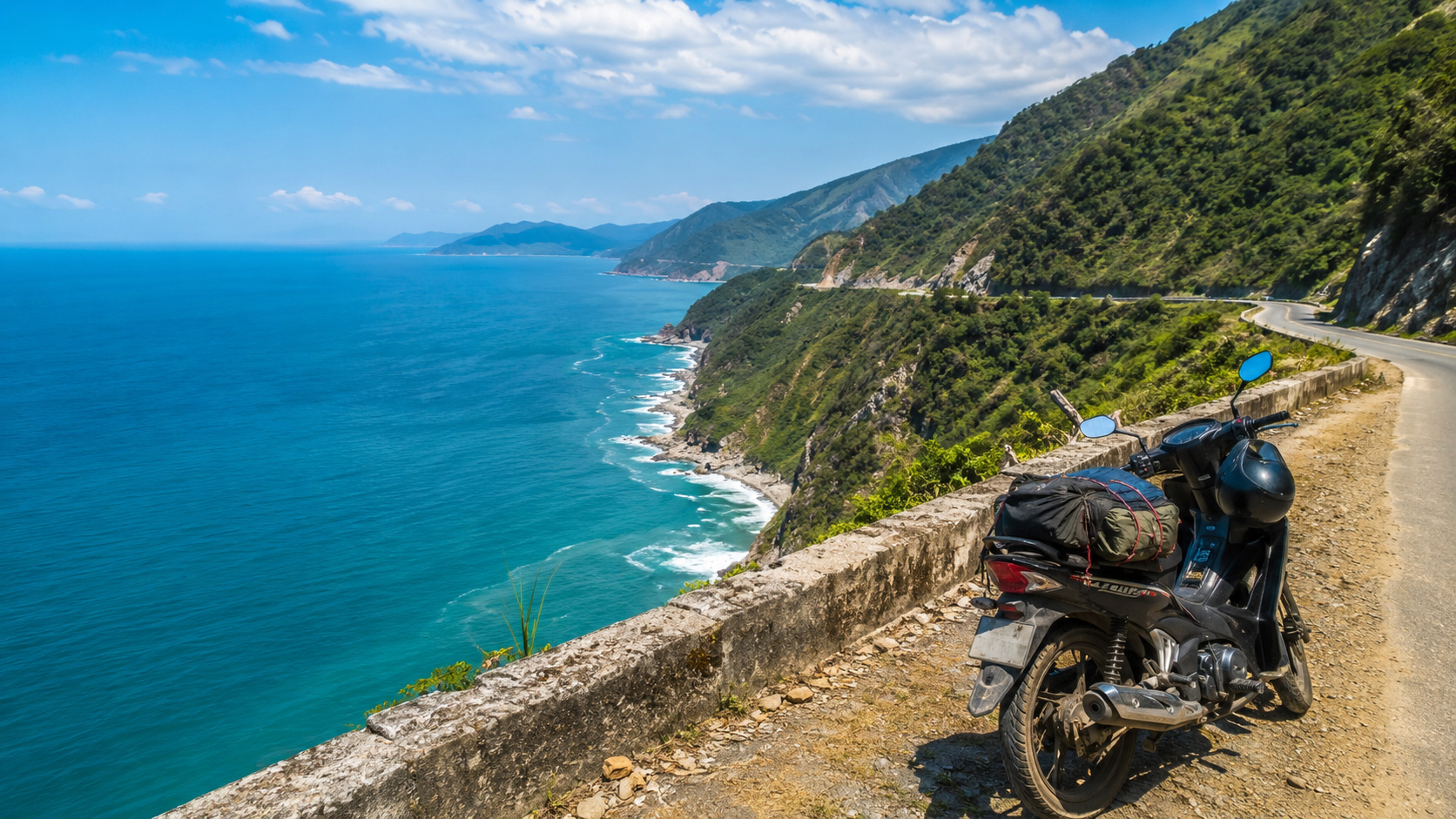
A backpacker trip does not need a luxury rhythm, but it should still have a few anchor experiences that give the journey shape. This may be a trek, a food walk, a cruise, a countryside homestay, a motorbike route with proper support, or a slow beach stop after many days on the move.
Use budget as a tool, not an identity
Some travelers make the mistake of treating “cheap” as the main achievement of the journey. But the real achievement is value. A bowl of street food, a local bus, a simple room and a shared excursion can be wonderful when they fit the route and protect energy.
There are also moments when spending slightly more is the smarter backpacker choice. A safer night transfer, a better-located hostel, a reliable guide for a mountain route or a small-group day trip can prevent wasted time and stress.
The right question is not “How low can the price go?” but “What does this cost protect?” If it protects sleep, safety, timing or a meaningful encounter, it may be worth keeping.
Travelers trying to control costs can use affordable Vietnam vacation planning as a practical reference, then adapt the ideas to a freer backpacker rhythm.
Protect freedom by planning the risky parts first
Backpacker travel feels best when there is room for improvisation. You meet someone, hear about a local café, decide to stay one more night in Hoi An or change a beach plan because the weather shifts. But freedom only works when the risky parts are handled. Long-distance transport, border-like timing around flights, mountain routes, late-night arrivals and remote transfers should not be left completely vague. Good planning creates freedom by removing the avoidable stress. In Vietnam, that often means booking key transport early, keeping a local contact, choosing safe arrival times and knowing which experiences need a guide before you show up.
Know when a shared tour is useful
Shared tours can be ideal for backpackers when the format adds access, explanation or easier logistics. Food walks, Mekong Delta day trips, Halong Bay cruises, island tours and some trekking routes may work better with organized support than with total improvisation.
A shared format can also create social energy. Meeting other travelers is part of the backpacker experience, and a well-run group can make a day feel warmer and easier. The problem begins when the group is too large, rushed or shaped around shopping stops rather than real travel.
Before joining, check group size, pickup point, included meals, return time and whether the guide actually explains the place. For a middle-ground option, small group Vietnam tours can be useful without removing the independent spirit of the trip.
Keep food local, but stay sensible
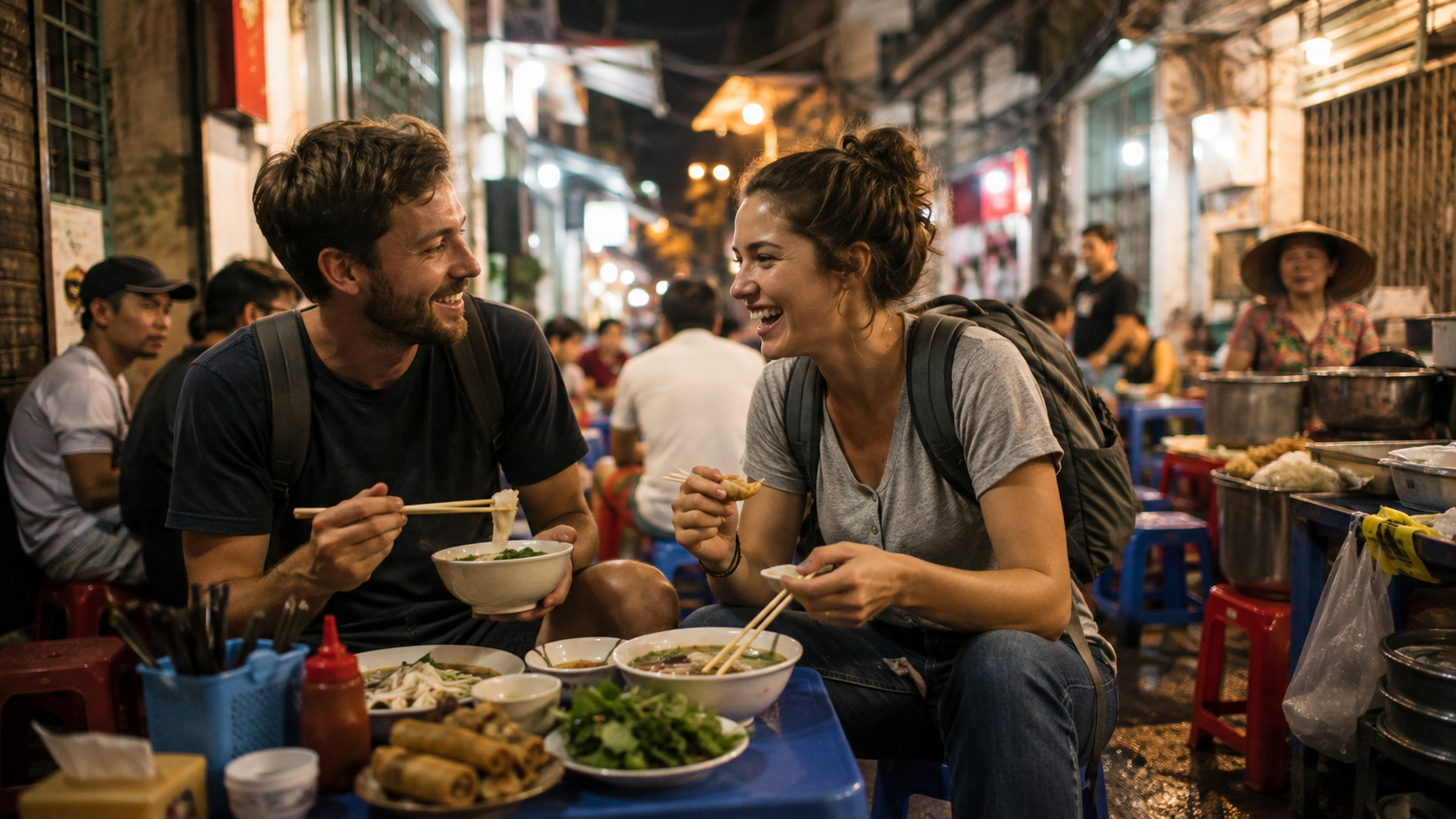
Vietnamese street food is one of the great pleasures of backpacking here. Noodles, baguettes, coffee, grilled dishes, rice plates and fresh fruit can turn an ordinary day into a memory. Eating locally also keeps the budget under control.
Still, food freedom should come with basic attention. Choose busy places, watch how food is handled, and do not overload the schedule with heavy meals before long transfers. The goal is to enjoy local life, not gamble with the next travel day.
Backpackers with allergies, vegetarian needs or sensitive stomachs should learn a few phrases, save translation notes and ask guides or hosts for help. A cheap meal is not good value if it damages the next two days.
Food is also a way to slow down. Instead of rushing from one attraction to another, let lunch or coffee become the pause that gives the city its texture.
Leave space for detours
A backpacker route should never be sealed too tightly. Vietnam often reveals itself through detours: a side street in Hanoi, a quiet beach outside the main crowd, a village path, a local market morning or a conversation with a homestay owner.
The trick is to leave space without losing the route. Keep the first and last nights secure, protect major transfers, then allow some middle days to breathe. Travelers who want help balancing freedom and structure can request local Vietnam travel support without turning the whole journey into a closed package.
Backpacker friendly Vietnam tours should be simple, flexible and full of real contact with the country. The best plan saves money intelligently, protects transport and safety, uses shared tours only where they add value, and leaves enough open time for surprise. Vietnam is a strong destination for backpackers because meaningful travel does not always require high spending here. But the essentials still matter: route logic, rest, guidance where needed and careful choices around long-distance movement. When these foundations are respected, a backpacker journey can feel free without becoming chaotic, affordable without becoming thin, and adventurous without losing comfort.
Tradition Việt
Hotline: (+84) 967 04 88 91 / (+84) 376 304 008
Email: info@traditionviet.com
Adresse: CT2A Hanoi Homeland