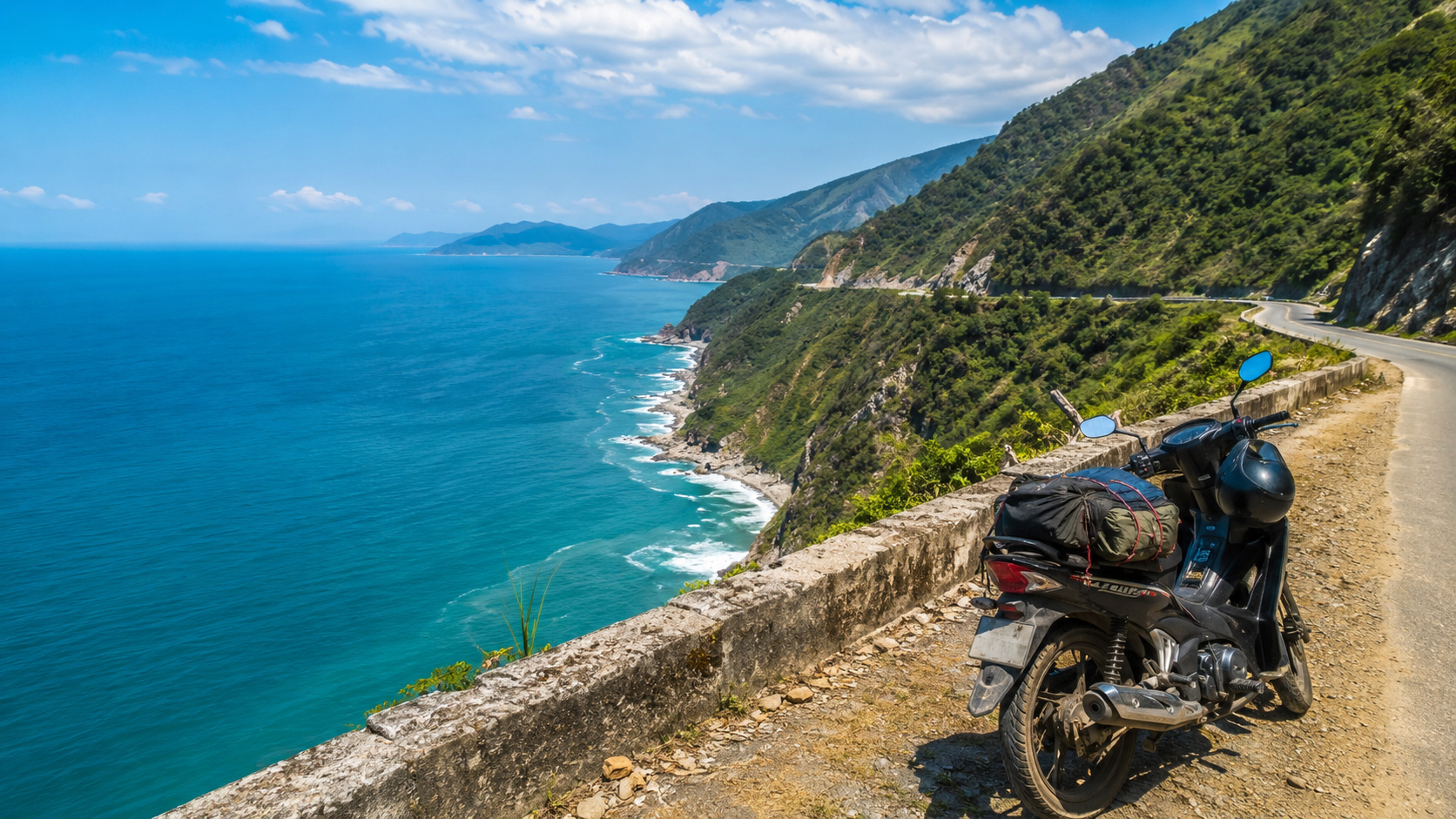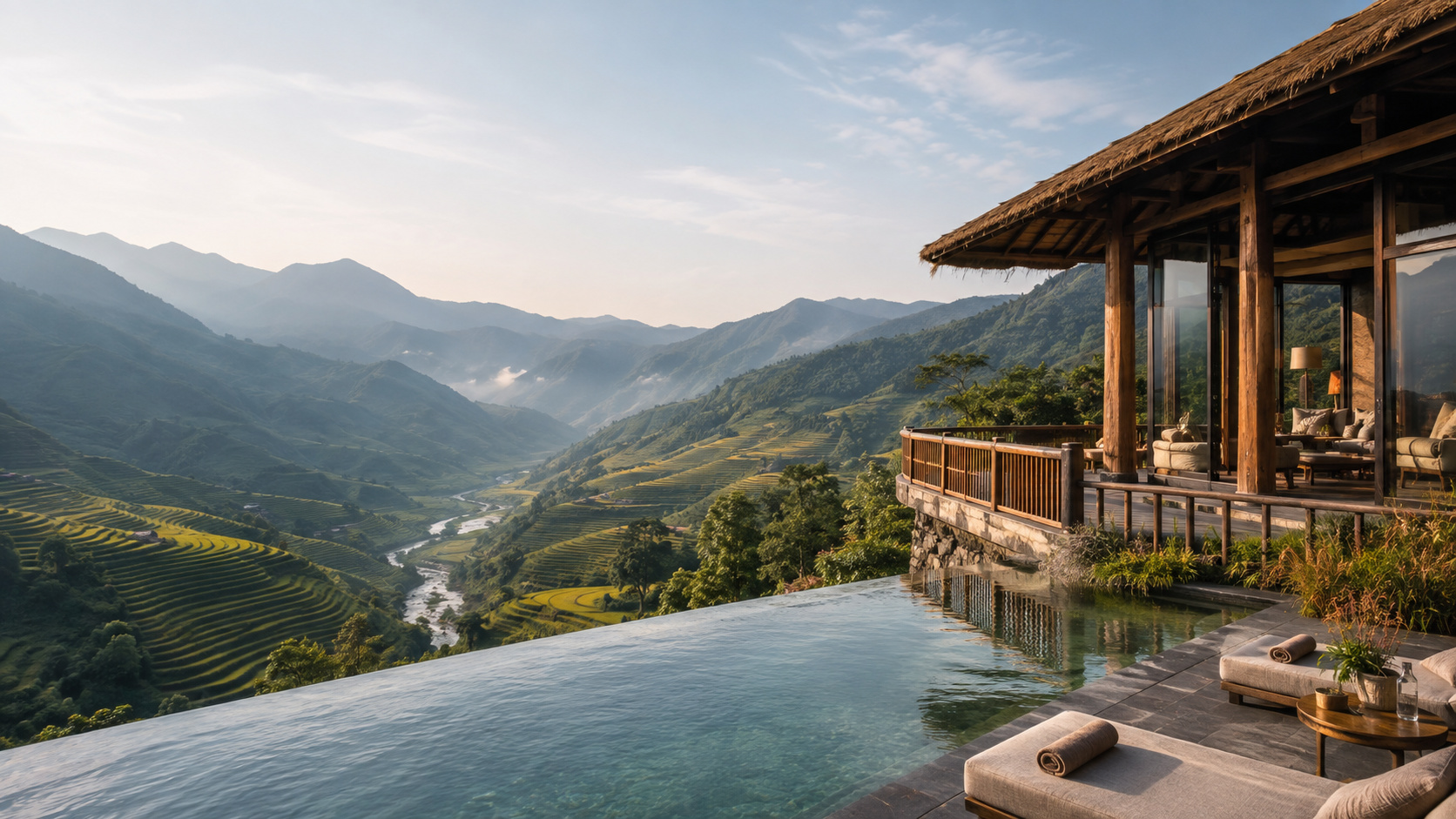

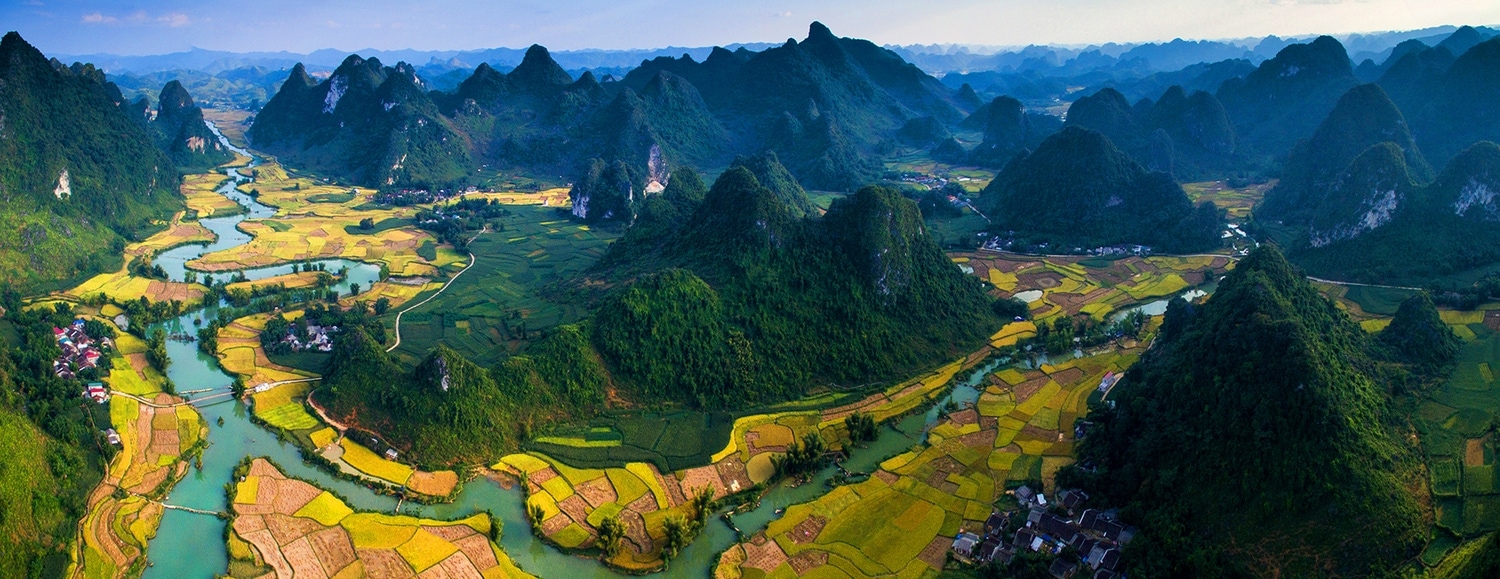
Vietnam is long, narrow and beautifully uneven in the way its seasons unfold. A sunny beach day in the south may happen while the mountains in the north are wrapped in mist; central Vietnam may be bright and hot while another region waits for rain to pass. That is why asking when to travel to Vietnam is not only a weather question. It is a question about the route you want, the pace you enjoy and the kind of memories you hope to bring home. A traveler looking for rice terraces needs a different calendar from someone dreaming of beaches, lantern streets, food walks or a slow family holiday. The best time is not one fixed month. It is the moment when weather, region and travel purpose meet well.
Read Vietnam by region, not by one national season
Vietnam should be planned from north to south, not as one single climate block. Hanoi, Sapa, Halong Bay, Hue, Hoi An, Nha Trang, Ho Chi Minh City, the Mekong Delta and Phu Quoc each have their own seasonal personality. A good itinerary respects those differences instead of forcing every destination into the same expectation. This is especially important for first-time visitors who want to combine mountains, old towns, beaches and city experiences in one trip. Before choosing flights, look at your route on the map. If the journey stretches across several regions, the best departure month is usually the one that offers a reasonable balance, not perfect weather everywhere.
Start with the north if your trip includes mountains
Northern Vietnam gives travelers some of the country’s most atmospheric travel moments: old streets in Hanoi, limestone scenery in Halong Bay, mountain valleys in Sapa and layered rice fields in highland areas. Yet this region also changes strongly through the year. Cool months can be beautiful for walking and cultural travel, while humid summer periods may bring heavier rain and less predictable mountain views.
If trekking is part of the plan, do not choose the month only from a general Vietnam weather chart. Mountain paths, visibility, rice-field color and walking comfort matter more than average temperature. A route that looks easy on paper can feel completely different when trails are wet or fog is thick.
Halong Bay also deserves its own timing decision. Mist can make the bay poetic, but poor visibility or unstable conditions may affect cruise activities. Travelers building a northern route can begin with a broad Vietnam travel guide and then adjust the calendar around the exact experiences they care about most.
Treat central Vietnam as a separate planning zone
Central Vietnam has a distinct travel rhythm. Hue, Da Nang, Hoi An and nearby coastal areas can bring together heritage, food, beaches and river scenery, but the timing should be chosen carefully. Some months are better for walking old streets and exploring cultural sites, while hotter periods may require slower days and longer breaks.
Think differently for the south
Southern Vietnam is often easier to plan for travelers who want warmth, city energy and river life. Ho Chi Minh City, the Mekong Delta and southern beach destinations can work well when the itinerary is designed with sun, rain showers and tropical pacing in mind.
Rain in the south does not always mean a spoiled trip. Sometimes it arrives in short bursts, changing the light and cooling the streets before the evening begins. What matters is not avoiding every drop of rain, but avoiding a schedule so tight that one shower creates stress.
For travelers who want a softer first arrival in Vietnam, the south can be welcoming because transport, food, hotels and guided experiences are easy to arrange. The key is to leave space in the day and not build every activity around perfect blue-sky conditions.
Match the season to the purpose of the journey
Once you understand the regions, the next question is emotional and practical: what is the trip really for? Vietnam can be a beach holiday, a cultural route, a honeymoon, a family journey, a food-focused escape, a photography trip or a deeper itinerary across several regions. Each purpose has its own ideal timing. A couple may prefer softer light and quiet hotels; a family may need comfortable temperatures and easier transfers; beach travelers care more about sea conditions; hikers need trail comfort and visibility. Instead of asking for the single best month, define the trip’s main promise first. Then choose the season that protects that promise.
Choose beach months according to the coast
Vietnam has several beach regions, and they do not all peak at the same time. Nha Trang, Phu Quoc, Da Nang, Hoi An coastal areas and island routes each need separate attention. A good beach plan starts with the exact coast, not with the word “Vietnam” in general.
Protect special moments, not only weather averages
Some trips are built around a moment: a honeymoon sunset, a family school holiday, a quiet anniversary dinner, a mountain-view morning or a first visit to Hoi An’s lantern-lit streets. Weather matters, but the quality of the moment also depends on crowd level, hotel choice, transfer timing and how many destinations are packed into the route.
If you are planning a once-in-a-long-time journey, avoid turning the itinerary into a race. A beautiful season can still feel tiring when the route has too many flights, early departures and short hotel stays.
The best timing often comes from subtraction. Remove one unnecessary stop, add one slower morning, or stay longer in the place that carries the emotional weight of the journey. That is how a good travel month becomes a good travel memory.
Travelers comparing different seasons can use the best season to visit Vietnam as a starting point, then refine the decision around the purpose of the trip.
Consider festivals, school holidays and crowd patterns
Festivals can make Vietnam feel vivid and generous, but they can also affect transport, hotel availability and the mood of public places. Domestic holidays, school breaks and peak tourism periods may change prices and crowd levels in popular destinations.
A festival period may be perfect if you want local atmosphere, family gatherings and a sense of celebration. It may be less ideal if you want quiet hotels, flexible transport and easy last-minute planning.
This is why timing should include both weather and movement. The month that looks best on a climate chart may still need careful planning if many people are traveling at the same time.
For beach-focused travelers, a dedicated Vietnam beach vacation season guide can help narrow the choice before building the full route.
Build a route that can absorb small weather changes
A strong Vietnam itinerary does not collapse when the weather shifts. It has indoor alternatives, flexible meal times, realistic transfers and a sensible order between regions. This matters more than chasing a mythical perfect month.
If you travel across several climates, accept that one region may be less ideal than another. The goal is to arrange the route so the most important experiences happen in the strongest conditions possible.
Local planning can help when the route crosses north, central and south Vietnam. A personalized plan through Vietnam travel local support can match the season to your actual route rather than offering a generic answer.
The best time to travel to Vietnam depends on the journey you want to protect. For mountains, think about visibility and walking conditions. For beaches, choose by coast. For cultural routes, consider temperature, crowds and walking comfort. For families or couples, prioritize rhythm as much as weather. Vietnam is too varied to be reduced to one perfect month, but that variety is also what makes the country rewarding. When the season is matched to region, purpose and pace, the trip feels more natural. You stop fighting the weather and start traveling with the country’s own rhythm.
Tradition Việt
Hotline: (+84) 967 04 88 91 / (+84) 376 304 008
Email: info@traditionviet.com
Adresse: CT2A Hanoi Homeland