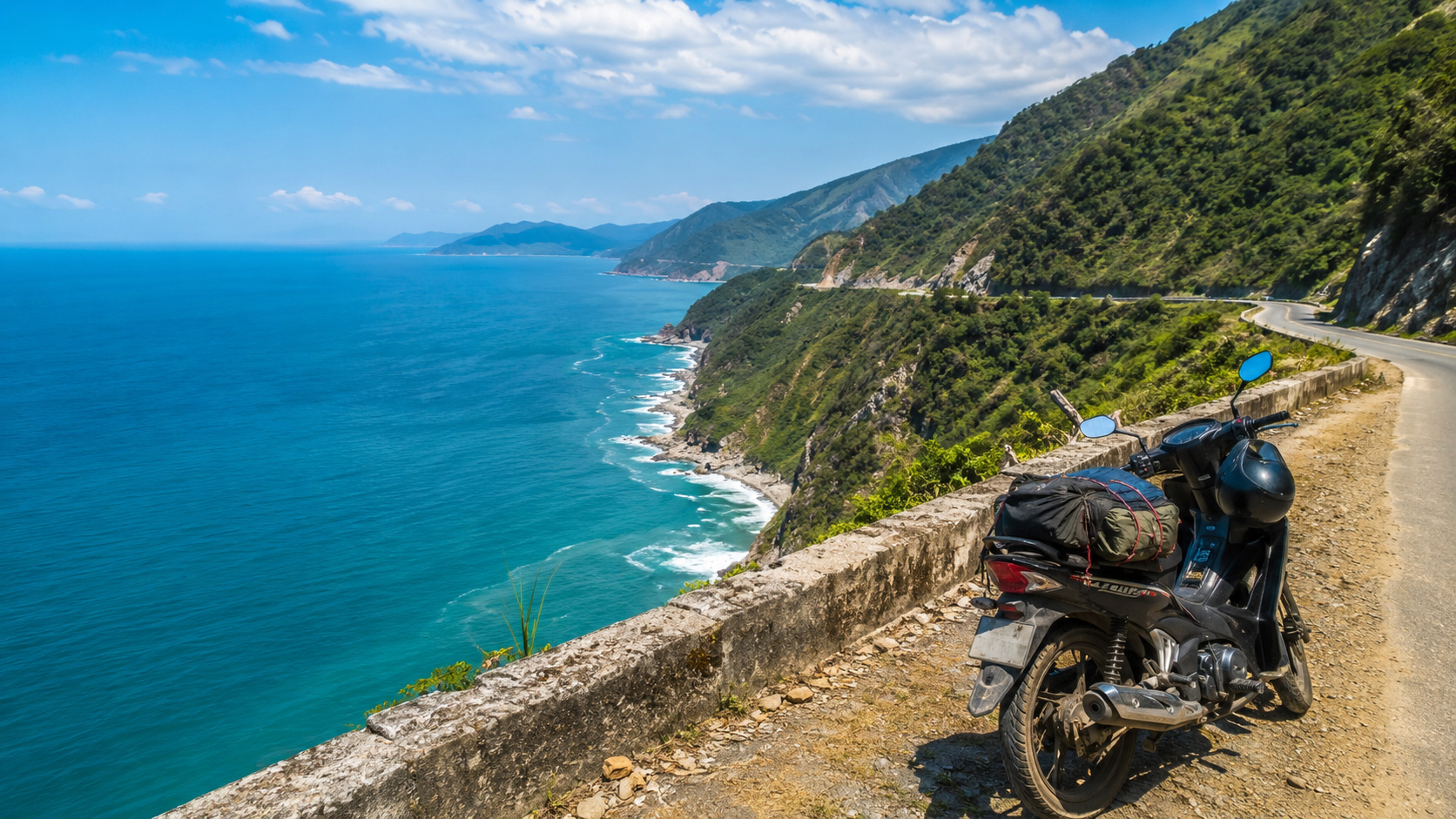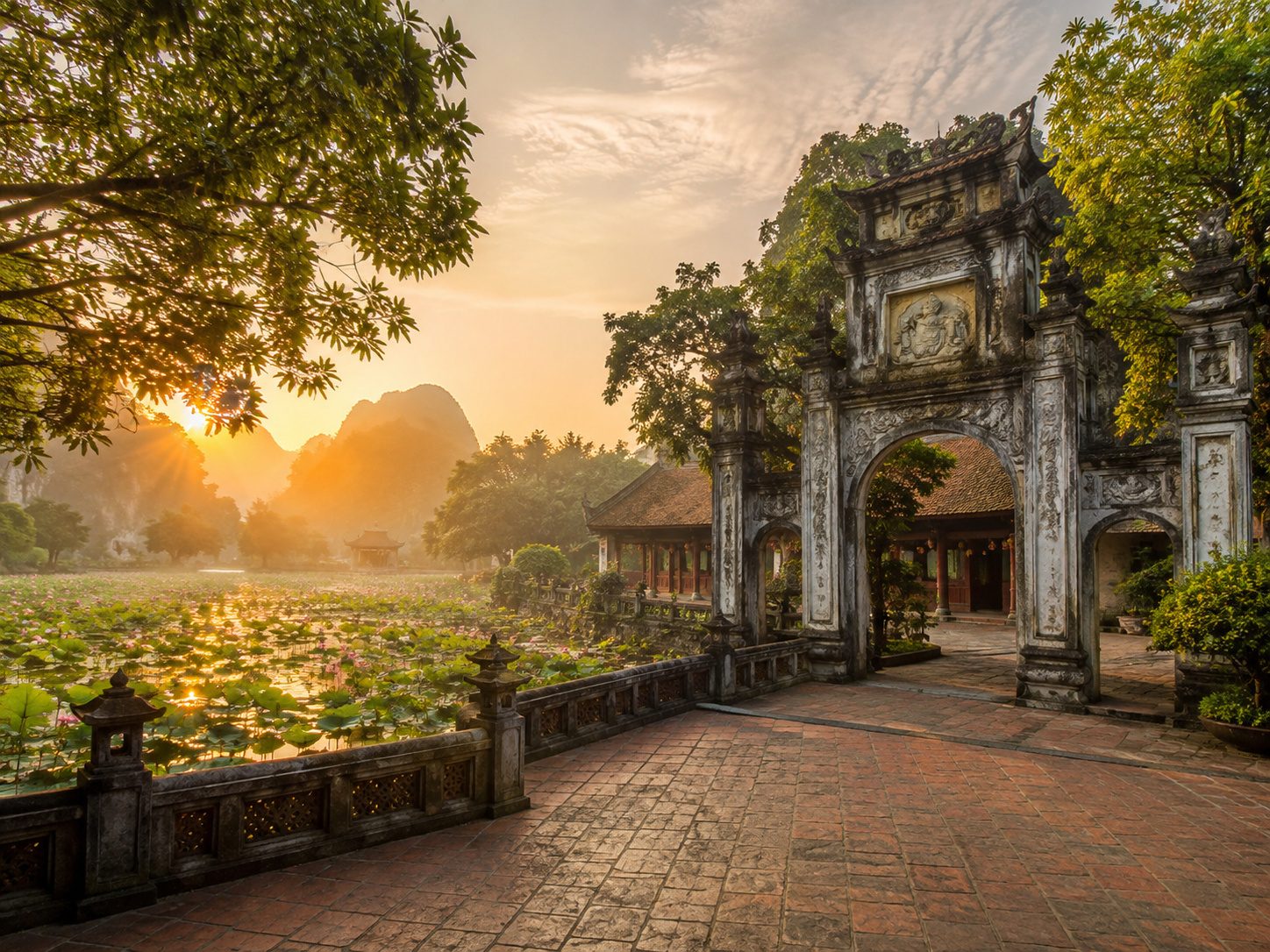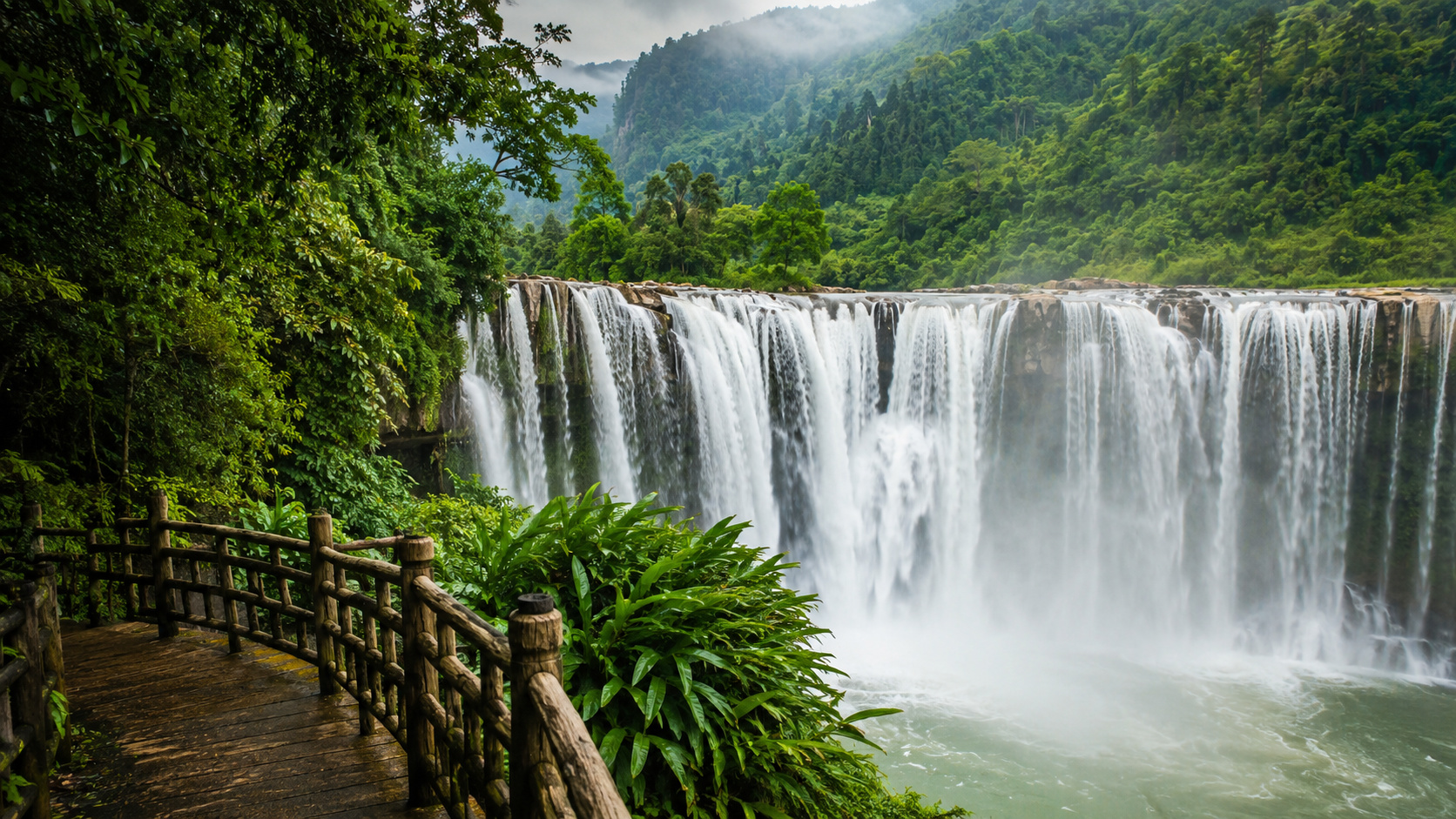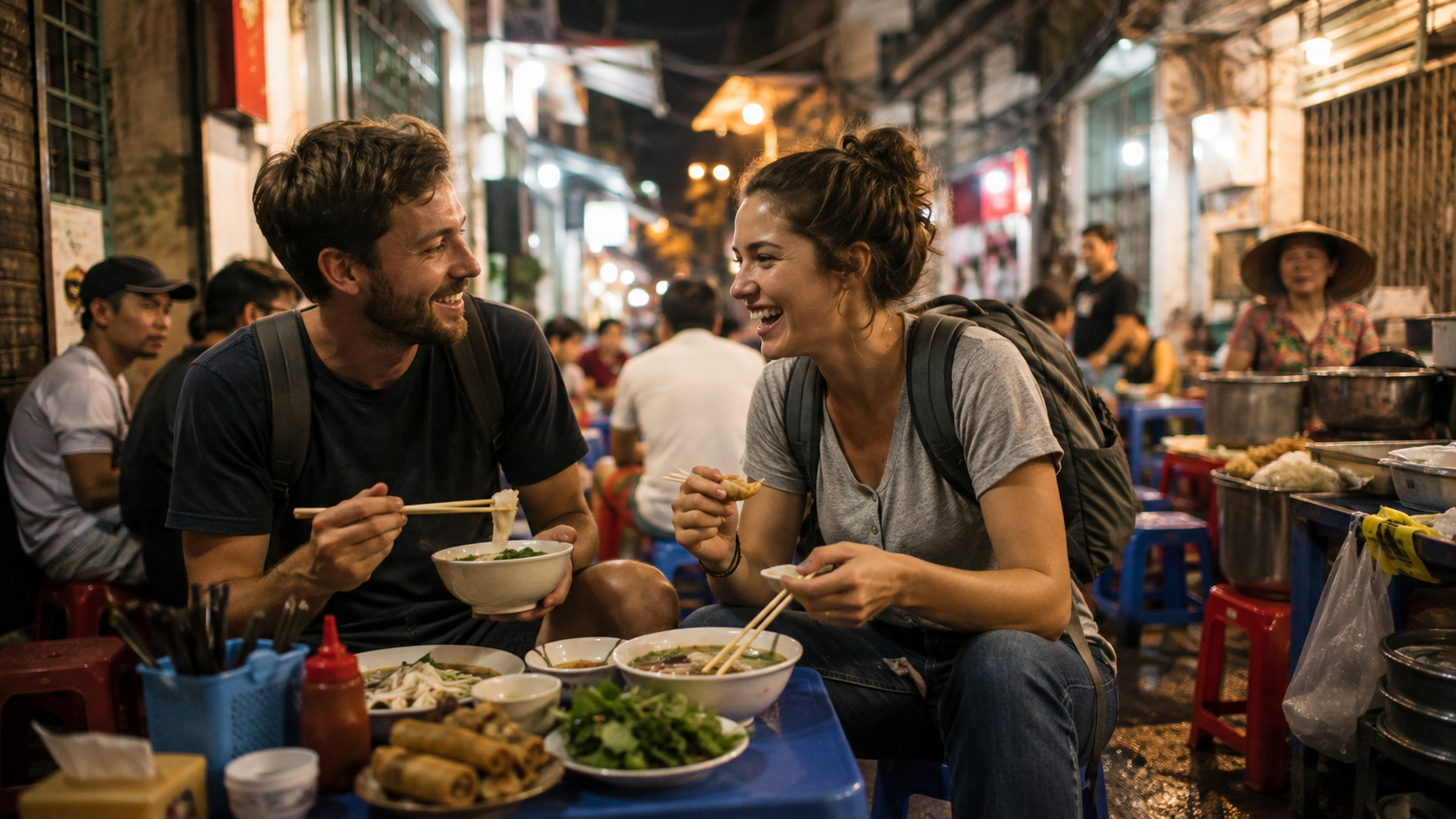

A Vietnam motorbike adventure can bring travellers unusually close to landscapes, roadside life and communities that are easily missed from a car or plane. Rice fields, markets, family eateries, mountain roads, coastlines and small towns become part of the journey rather than scenery between attractions. That appeal can also encourage people to commit too quickly to a long route or a difficulty level that does not match their experience. The seven things below help travellers examine riding style, confidence, physical comfort, route conditions, weather, cost and local support before booking. When each point is answered clearly, the trip can preserve its sense of freedom while resting on a more realistic and dependable foundation.
Choose a Riding Style and Route That Fit the Travellers
The first three areas focus on the fit between the participants and the way the route is designed. A famous road is not automatically suitable for a beginner, while a shorter countryside journey may feel richer when the group has time to stop. Travellers need an honest view of riding experience, sitting comfort, tolerance for heat and rain, and whether they prefer self-riding or travelling behind a local driver. The route can then be divided by difficulty, actual daily duration and protected breaks. Once this foundation is clear, motorcycle travel becomes a flexible way to explore rather than pressure to prove ability or complete the greatest number of kilometres.
Decide Between Self-Riding and a Local Driver
The first thing is to choose the riding format before choosing the road. Experienced long-distance riders may consider controlling the motorcycle on suitable sections, but they still need to recognise that traffic flow, signs and roadside situations can differ from places where they have ridden previously. First-time visitors, travellers who want to observe or people uncomfortable with dense traffic may prefer sitting behind an experienced local driver. A mixed format is also practical, with self-riding on gentler rural roads and driver support on mountain passes or crowded sections. A motorcycle travel overview can clarify these formats. The decision should reflect genuine comfort rather than an adventurous image or pressure from companions.
Assess Fitness, Route Difficulty and Riding Time
The second thing is to assess the experience and physical condition of the whole group, not only its strongest rider. Each person should explain how long they have ridden or sat on a motorcycle, whether they experience back pain, discomfort with heights, sensitivity to heat or reduced concentration when tired. Couples and friends often have different confidence levels, so one daily distance should not be imposed automatically. Children and older travellers require separate consideration of helmet size, seating position, break frequency and access to a car alternative. Reviewing who motorcycle travel suits can support this discussion. Only after the traveller profile is clear should the organiser choose the route, vehicle and daily rhythm.
The third thing is to read route difficulty through more than distance. A short mountain section can demand more than a longer lowland road because of sharp bends, fog, slippery surfaces, heavy vehicles and limited safe stopping places. Beginners usually benefit from countryside lanes, outer districts, craft communities or moderate routes near Hue, Hoi An, Ninh Binh and quieter areas beyond major cities. Experienced riders should still check current surface conditions and local operating information. A map shows direction and kilometres, but it cannot replace knowledge of traffic peaks, roadworks, flood-prone sections or places where daylight disappears quickly. Route selection should therefore combine personal ability, regional knowledge and realistic support rather than rely on photographs alone.
The fourth thing is to limit riding time according to actual stamina. A programme described as four hours on the motorcycle may become a seven-hour day once pickup, rests, meals, photographs and traffic are included. Heat, rain, dust, noise and a fixed posture create fatigue differently from travel inside an enclosed vehicle. Every day needs water stops, stretching, lunch and a concentration check. Difficult bends or poor surfaces should reduce the kilometre target rather than force the group to maintain it. A guide to practical riding preparation can help identify these limits. The group should also agree that increasing rain, fading light, back pain or reduced confidence are valid reasons to shorten the route.
Protect Time for Meaningful Local Stops
The fifth thing is to choose stops with meaning instead of simply riding through attractive scenery. A morning market, family-run meal, craft village, orchard, river landing or small coffee shop can reveal more than a crowded viewpoint. The guide should explain briefly why a crop belongs to the region, when a roadside dish is normally eaten or how the road connects trade and community life. Only a few well-chosen stops are needed when travellers have enough time to observe and ask questions. A local motorcycle journey story shows why small encounters often become stronger memories than famous roads. When scenery and local context work together, the ride becomes cultural discovery rather than a distance completed on a map.
The stopping rhythm should be protected as a central part of the itinerary. When every visit lasts only long enough for a photograph, travellers become tired without understanding where they have been. Lunch needs enough time for rest, water and an honest physical check before the next section. An afternoon may finish early so the group can walk through a town, organise laundry or sleep properly before the following day. Motorcycle travel is valuable because it allows people to stop at the right moment, so flexibility should not become an excuse to add more places. Reasonable open time creates space for natural encounters and observations that cannot be scheduled in advance, while also preventing the route from becoming a continuous endurance exercise.
Check the Logistics Before Committing
The remaining four areas examine logistics and the ability to respond after the travellers and route have been identified. A motorbike adventure operates smoothly only when the motorcycle, helmet, luggage, documents, insurance and quotation are clarified before departure. Weather must also be reviewed by region because rain, fog, heat and wind can change difficulty quickly. Finally, the group needs to know who responds when a vehicle develops a problem, one member becomes tired or the route must change. These preparations do not remove freedom. They reduce the pressure of solving problems on the road and allow travellers to pay greater attention to scenery, local encounters and the experience of moving through Vietnam at ground level.
Inspect the Motorcycle, Quotation and Service Responsibilities
The sixth thing is to inspect the motorcycle and equipment through a specific checklist. Brakes, tyres, lights, horn, mirrors, chain, oil and luggage attachment all influence comfort and safety. A helmet must fit correctly, fasten securely and remain comfortable for several hours. Luggage should be compact, weather-protected and balanced, while rigid suitcases are usually difficult to secure. Self-riders need to read the rental agreement, current licence requirements, insurance scope and responsibility for damage or breakdowns. Passengers should also learn how to mount, sit, signal for a stop and protect personal belongings during rain. The inspection should happen before the first long stage, leaving enough time to replace unsuitable equipment rather than discovering the problem after the group is already on the road.
The quotation should be read as a complete service package, not only a daily motorcycle price. Costs may include the vehicle, fuel, driver or guide, accommodation, meals, tickets, luggage transfer, rain protection, technical support and replacement transport. Remote routes, small groups and stages requiring a support car will alter the budget. A low figure can become expensive when fuel, rooms or breakdown assistance are excluded. A budget and logistics comparison helps travellers examine proposals on the same basis. Ask for written inclusions, local payments, deposit conditions and date-change rules. Keep a separate reserve for an additional night or a transfer to a car when riding is no longer suitable.
Service conditions must also define responsibility when the programme changes. The group should know the motorcycle type, maintenance status, kilometre limits, passenger arrangement and luggage system. On a driver-led trip, confirm regional experience, communication ability and the driver’s own rest schedule. Multi-day programmes need clear information about hotels, private rooms, meals, laundry opportunities and the expected finish time each day. Cancellation rules related to health, weather or unsuitable roads should be separated from ordinary voluntary changes. Transparency allows travellers to compare real value and reduces disagreements after departure, when the group may be far from the original service base. It also shows whether the organiser has planned the journey as a connected operation rather than merely supplying motorcycles.
Prepare Weather Alternatives for Every Stage
The seventh thing is to prepare weather alternatives for every stage. Northern mountains, central Vietnam, highland areas and coastal roads do not share one simple best riding season. Rain can make surfaces slippery, fog reduces visibility, prolonged heat increases dehydration and strong wind quickly tires passengers. Difficult stages should normally begin earlier, while the afternoon retains enough flexibility for shortening or rerouting. Travellers need light rain protection, suitable clothing layers, drinking water, waterproof storage and known shelter points. If conditions deteriorate, reducing the distance or transferring to a car should be treated as sensible management rather than failure. Weather planning should use near-date information and local judgement because broad seasonal averages cannot describe the conditions of every road on the day the group rides.
Confirm Local Support and Make the Final Decision
Before committing, the group should request a final planning conversation with the coordinator. The review needs to cover who self-rides, who travels as a passenger, which sections are difficult, hours on the motorcycle, rest points, fuel, meals, rain plans and emergency contacts. Every day should have one central purpose and a recognised right to stop early when health or weather no longer supports the route. The organiser must explain the response to a breakdown, delayed luggage or a traveller who cannot continue. When these questions have clear answers, guests know they are purchasing a structured journey rather than only a motorcycle and an attractive map. That distinction is essential on multi-day routes where one weak operational decision can affect several later bookings.
Strong local support also gives the adventure greater cultural depth. A knowledgeable guide knows dependable fuel stops, sections where photography is unsafe, suitable eateries and the time a group should leave an area before darkness. They can explain the village, harvest, food or trade route visible along the way without turning every stop into a lecture. Support does not need to control every minute, but it should respond quickly when conditions change. Travellers interested in photography, food or gentle exploration should see those preferences reflected in the stopping pattern. A journey deserves commitment when it fits the people, season and desired style, and when one clearly identified person is responsible for coordinating the route from departure to arrival.
Commit to a Suitable and Well-Controlled Adventure
A Vietnam motorbike adventure deserves commitment when these seven things have clear answers. Travellers need the right riding format, an honest group assessment, a realistic reading of difficulty, limited daily hours and meaningful stops. The motorcycle, equipment, budget, service conditions, weather alternatives and local support then determine whether the journey works smoothly in practice. The strongest trip is not the longest or most extreme route. It is the route that brings participants close to Vietnam while respecting their limits and preserving enough energy to notice life along the road. Tradition Việt can design the programme around health, experience, season and preferred travel style, creating an adventure that feels open and personal without becoming careless or unnecessarily demanding.
Tradition Việt contact information
Hotline: (+84) 967 04 88 91 / (+84) 376 304 008
Email: info@traditionviet.com
Address: CT2A Hanoi Homeland, Hanoi, Vietnam