
Heritage tours in Vietnam allow travellers to understand the country through history, architecture, belief, art and traditions that still shape everyday life. A route containing many monuments does not automatically create depth, however, especially when the geography is too wide, the commentary is overloaded or each day becomes a race to complete a checklist. The eight points in this article help travellers define a cultural theme, select a coherent heritage axis, combine monuments with living traditions, choose an appropriate guide and control pace, cost, season and operating conditions. When each decision has a clear purpose, the journey becomes easier to follow, physically more manageable and more strongly connected to the people and places that preserve Vietnam’s cultural memory.
Build the Cultural Foundation of the Heritage Journey
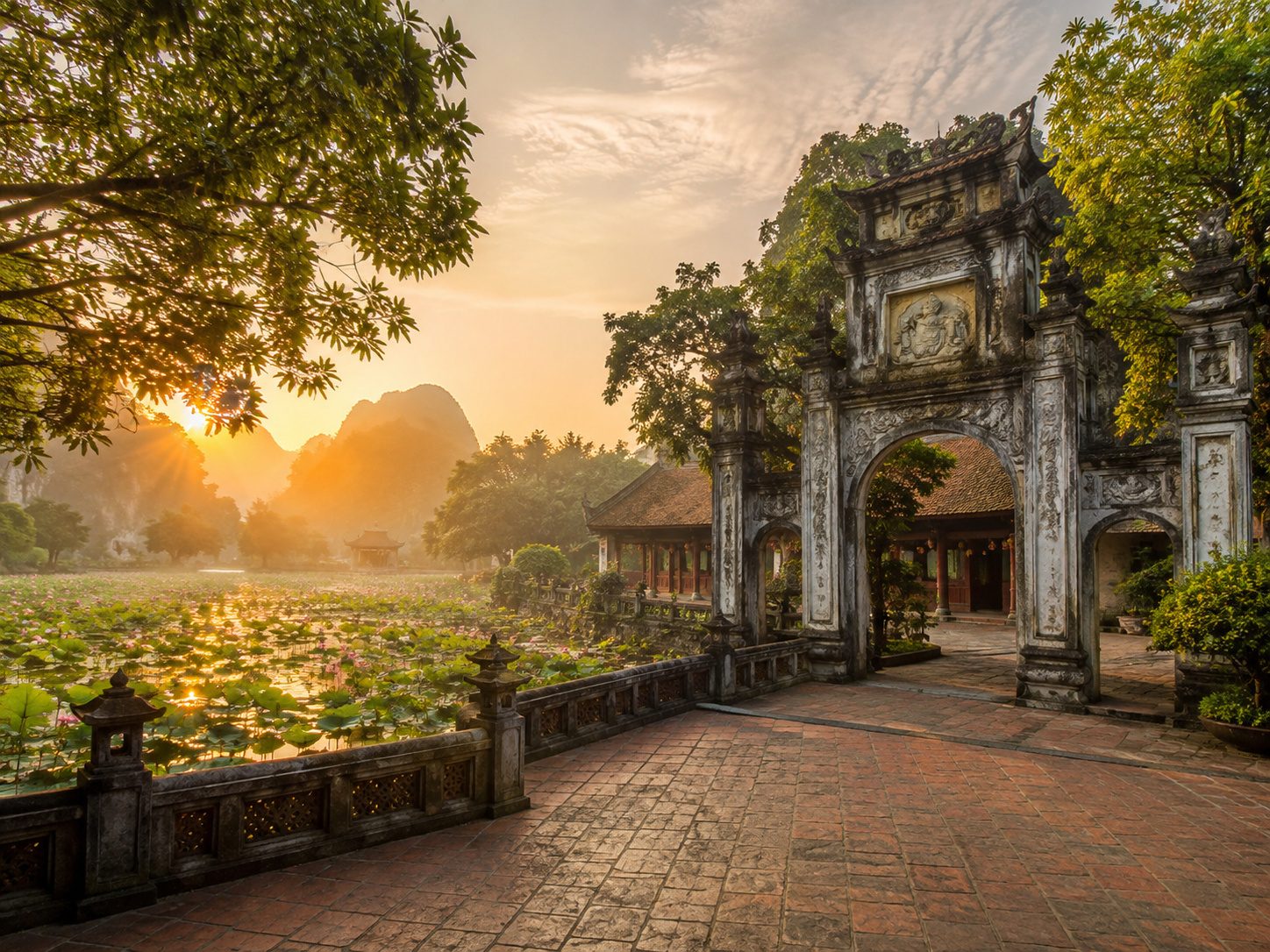
The first five points create the cultural foundation of the journey. Vietnam contains many layers of heritage, including imperial capitals, trading towns, citadels, temples, archaeological sites, craft traditions, cuisine, music and community memory. Travellers do not need to place every layer into one itinerary. The essential task is to choose a clear theme, limit the geography and create a meaningful transition between destinations. A strong route explains why Hanoi, Hue, Hoi An, My Son or Ninh Binh belong together rather than presenting them as isolated monuments. When the route, interpretation and daily pace support one another, heritage becomes an experience with context instead of a sequence of names that travellers are expected to remember.
Define the Theme and Limit the Heritage Axis
Point one is to identify the kind of heritage the travellers genuinely want to explore. Some are interested in political history and imperial architecture, while others prefer old towns, religion, archaeology, craft traditions or regional food. This preference should determine the route and the use of time. A journey focused on the Nguyen Dynasty needs substantial attention in Hue, whereas a theme of trading history and cultural exchange works better with Hoi An and My Son. Travellers interested in long-established urban life should give Hanoi more than a short orientation walk. A complete Hue cultural guide can illustrate how one destination becomes richer when its historical, architectural and everyday layers are considered together.
Point two is to build a compact heritage axis instead of attempting to cover the whole country. With approximately one week, Hanoi with Ninh Binh or Hue with Hoi An and My Son usually operates more smoothly than a route involving repeated flights between northern, central and southern Vietnam. With ten to fourteen days, two regions can be connected when each one still receives enough nights. Every additional stage requires transport, check-in and adjustment, while heritage places usually demand walking, explanation and slow observation. A compact route allows travellers to notice regional differences and reduces the risk that every citadel, temple or old quarter begins to feel similar after several densely scheduled days.
Connect Famous Monuments with Living Culture
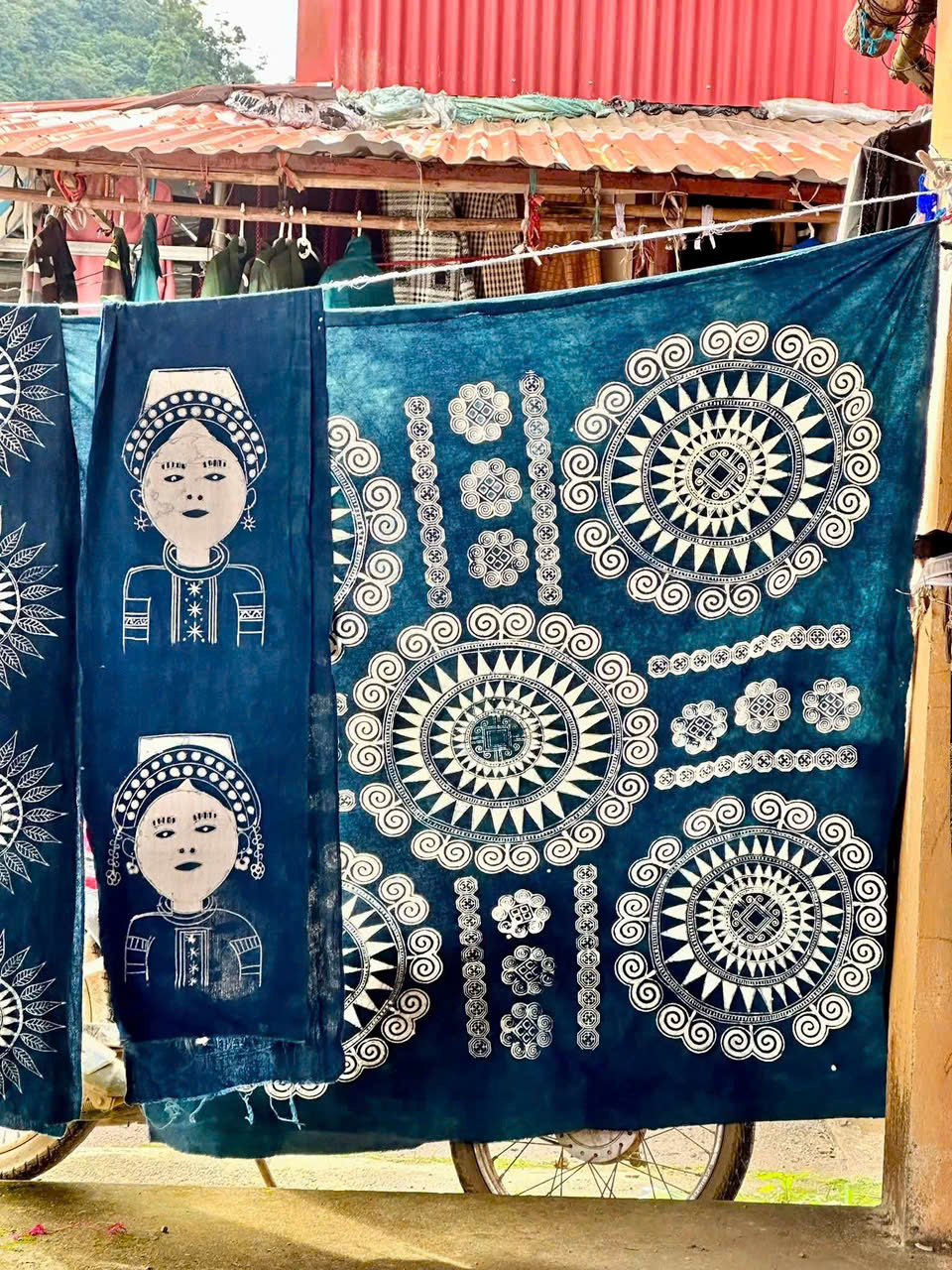
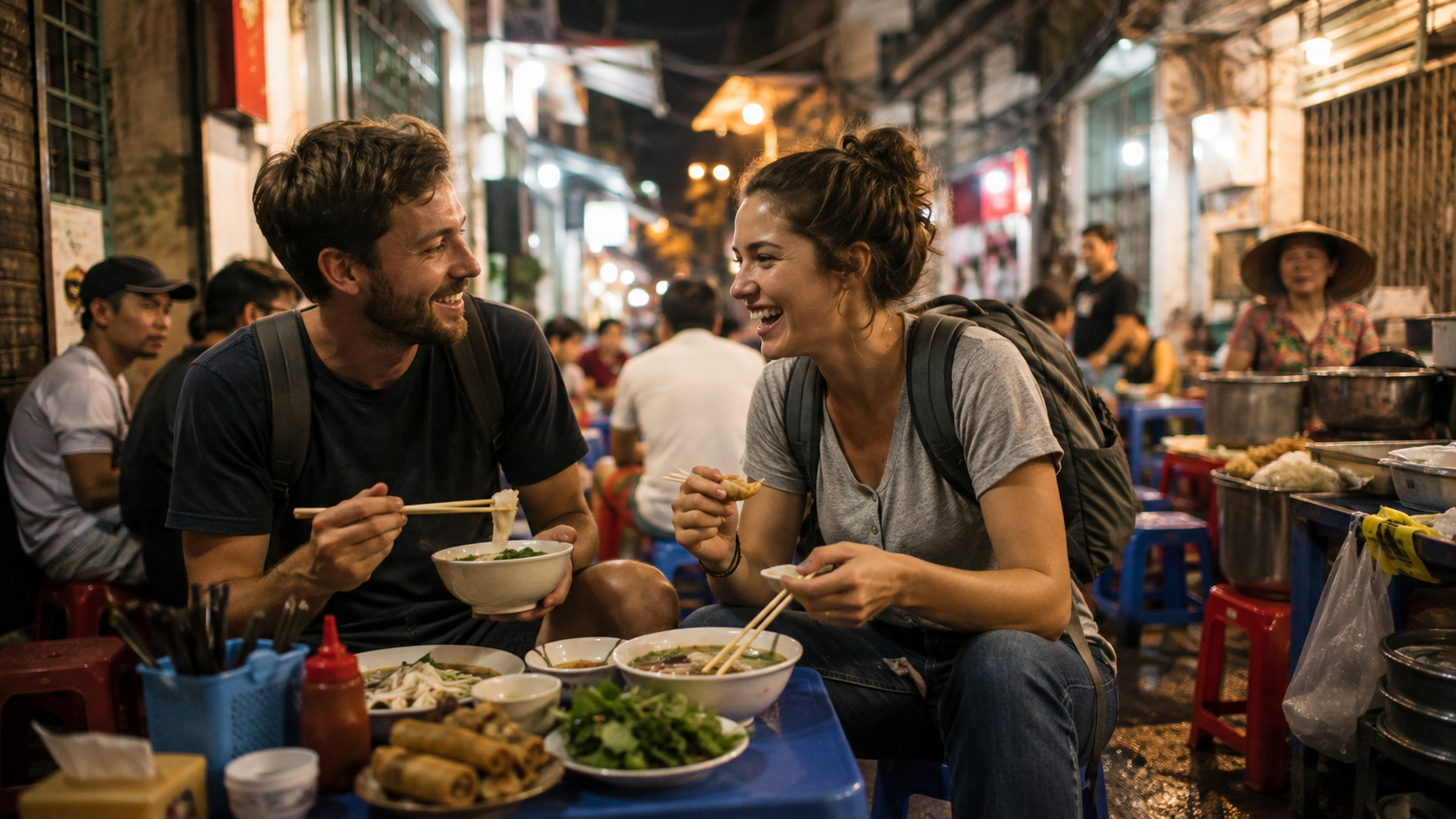
Point three is to combine famous monuments with living culture. Citadels, royal tombs, old towns and sanctuaries provide the historical framework, but family meals, markets, garden houses, craft villages and conversations with residents make heritage more immediate. A day in Hue may connect the Imperial City with local cuisine or a traditional craft, while Hoi An deserves time for its streets, occupations and riverside rhythm rather than only lantern photographs. Travellers can use a Vietnam local experiences guide to assess timing, difficulty and community interaction. Supporting experiences should remain selective and respectful, allowing tangible heritage to be understood through present-day skills, memories and routines.
Choose the Guide and Adjust the Pace to the Travellers
Point four is to choose a guide with strong storytelling ability and local knowledge. Heritage contains dates, historical figures, symbols and architectural principles, so the method of interpretation directly affects what travellers understand. A capable guide does not recite every available fact. They select several essential stories, explain space in accessible language and connect monuments with contemporary life. History enthusiasts may want deeper context, while families need shorter, more visual explanations that give children something concrete to observe. Travellers should ask about language, regional experience and guiding style instead of confirming only that a guide is included. The right person helps each monument become distinct and prevents the day from feeling like a classroom lecture delivered while walking.
Point five is to adjust the pace to the group’s physical ability and concentration. Many heritage complexes are large, with brick courtyards, steps, exposed walking areas or limited shade. When too many monuments are placed into one day, travellers become tired and lose the ability to distinguish the meaning of each site. Every session should have one principal focus, a break and a lighter component. Older visitors benefit from suitable vehicles and a moderate number of stops, while children respond better to images, crafts and food. Photography-focused travellers need appropriate light and fewer rushed transitions. A review of Hue costs and practical logistics can help groups match cultural ambition with realistic mobility and comfort.
Preparation also allows the guide and the group to agree on expectations. Travellers should explain their interests, walking limits, preferred amount of commentary and any previous knowledge of the destination. When one person wants architecture and another is interested in ritual or cuisine, the programme can distribute attention rather than forcing one interpretation on everybody. Free periods should also remain available so travellers can return to a favourite place, sit in a cafe or observe local life without a fixed schedule. A successful heritage journey does not require guests to absorb information continuously. It creates a rhythm between listening, looking, resting and developing personal responses, which often makes the cultural material easier to remember after the trip.
Complete the Logistics, Budget and Ability to Adjust
The remaining three points concern whether the journey can operate comfortably after its cultural content has been selected. A heritage route may look impressive on paper and still become exhausting when the stay is too short, transport is poorly organised, weather increases physical strain or the quotation lacks detail. Travellers should examine real distances, hotel location, opening times, walking requirements and protected rest. The budget should support guiding, transport and accommodation where these services influence the experience most rather than upgrading every stage mechanically. When logistics, season, change conditions and local assistance are prepared carefully, the itinerary retains cultural depth while remaining manageable in real conditions.
Allocate Nights, Transport and Route Order
Point six is to allocate nights according to the complexity of each destination. Hue generally needs at least one night and becomes more comfortable with two when travellers want to separate the Imperial City, royal tombs, pagodas, food and riverside time. Hoi An should include a morning or evening outside the busiest visiting hours, while Hanoi needs space for neighbourhoods, museums, food and different historical layers. A day trip can work when the overall schedule is extremely limited, but it should not become the default for every heritage destination. Staying long enough allows travellers to experience different times of day and reduces the pressure to complete several major sites within only a few hours.
Point seven is to choose transport and accommodation according to the actual sightseeing route. Hue’s royal tombs, My Son outside Hoi An and some craft communities are not immediately beside the main hotel areas, so arranging separate vehicles for every stop may create waiting and reduce control. A half-day or full-day vehicle often benefits families, small groups and older travellers. In cities, a hotel near food and principal visits can remove several short transfers. Travellers should also include check-in, luggage storage and rail or flight connections in the calculation. A cheaper property in the wrong location may produce more fatigue and higher total costs than a slightly more expensive hotel that supports the route properly.
The route order should be read alongside total door-to-door time. A flight between Hanoi and Hue may save distance, but travellers still need airport transfers, check-in, baggage collection and transport to the next hotel. Hue, Da Nang, Hoi An and My Son can be connected by road, although they should not be compressed into one day. Walking-intensive stages should alternate with lighter sessions or free time. Before booking, review how many hours each day contains in vehicles, at sites and at rest. A clear stop-order guide can help reveal routes that appear short on a map but involve too many operational transitions for a culturally focused journey.
Review the Season, Budget and Change Conditions
Point eight is to review season, budget and booking conditions together. Central Vietnam may be hot, humid or wet, while northern destinations can experience cold or misty periods. Visiting hours should reduce exposure to intense heat, and wetter-season programmes need light rain protection, suitable footwear and indoor alternatives. The quotation should identify hotels, vehicles, guiding, entrance fees, meals, private activities and exclusions. A low figure may omit important elements such as transport between monuments or a knowledgeable cultural guide. Travellers considering a customised format can review private tour planning principles to understand where flexibility, interpretation and transport create practical value rather than simply increasing the service list.
Change conditions should also be read before a deposit is paid. Travellers need to know what happens when heavy rain, a temporary closure, a flight change or reduced energy affects the programme. Hotels, air tickets and privately arranged services may follow different rules, so one general sentence cannot explain the whole route. Confirm which items are refundable, which can move and who approves extra costs. In addition to financial flexibility, preserve half a day or several open hours for adjustment. This period may become rest, a museum, a food experience or a return to a favourite site. A clear change framework protects the journey’s quality without removing the structure that makes the route coherent.
Maintain Respectful Behaviour and Clear Local Support
Finally, a heritage journey should operate with respectful behaviour and one clear support contact. Travellers need to follow clothing rules, avoid touching protected objects, keep noise low in religious spaces and ask before photographing residents or craft work. Local purchases should reflect genuine interest rather than turning every visit into a compulsory transaction. The coordinator should understand the whole route, confirm pickups, tickets and guides, and explain alternatives before additional costs are accepted. Clear responsibility protects both the travellers’ comfort and the integrity of the places being visited. When respectful conduct and practical support work together, heritage travel becomes more than sightseeing. It creates a thoughtful exchange between visitors, cultural spaces and the communities that continue to care for them.
Build a Heritage Journey with Depth and a Manageable Pace
Heritage tours in Vietnam become clearer when these eight points function as one connected plan. Travellers need to define the theme, limit the route, combine monuments with living culture, select a suitable guide and adjust the pace to the people travelling. Nights, transport, accommodation, season, budget and change conditions then determine whether the cultural ambition remains comfortable in practice. A strong itinerary does not need to contain the greatest number of monuments. It should help travellers recognise the differences between regions and retain enough energy to observe carefully. Tradition Việt can use travel dates, group size, interests and expected comfort to build a balanced heritage route with meaningful interpretation, practical logistics and enough flexibility for real conditions.
Tradition Việt contact information
Hotline: (+84) 967 04 88 91 / (+84) 376 304 008
Email: info@traditionviet.com
Address: CT2A Hanoi Homeland, Hanoi, Vietnam