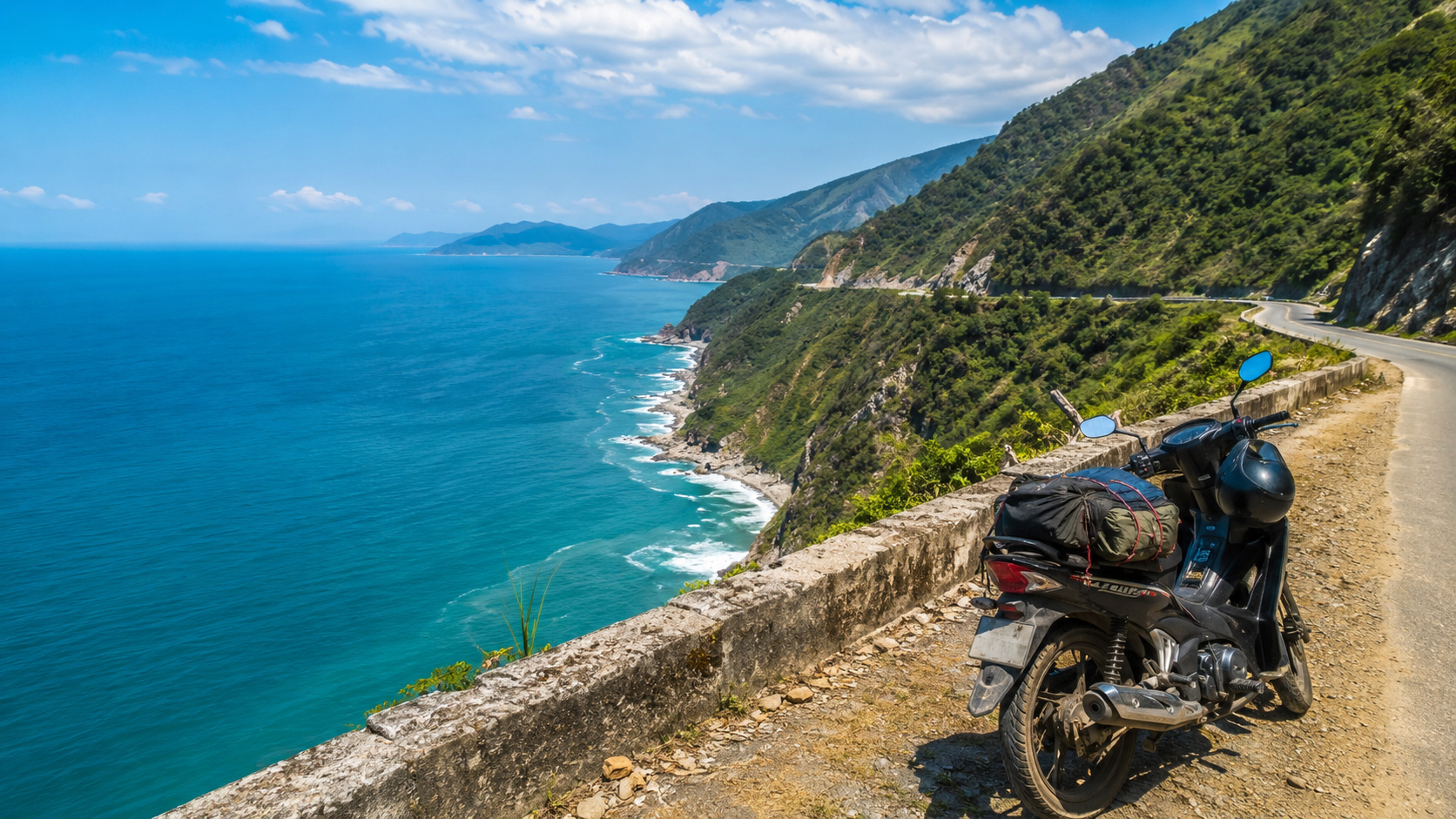


A Vietnam 2 week itinerary gives travellers enough time to combine several layers of the country without moving at maximum speed. Fourteen days can still become overloaded, however, when every famous city, several domestic flights and too many paid activities are placed in one schedule. A realistic route should begin with the purpose of the journey, the number of priority regions, the desired comfort level and the experiences travellers would be disappointed to miss. The nine methods below organise destinations, nights, transport, season, budget and contingency time. When the structure is designed correctly from the beginning, two weeks can reveal distinct sides of Vietnam while preserving rest, independent exploration and enough flexibility to respond to real conditions.
Build the Two-Week Route Before Booking Services
The first five methods establish the structure of the entire route before hotels or transport are confirmed. Two weeks can connect northern and central Vietnam, central and southern Vietnam, or support a selective journey from north to south, but every attractive destination does not need to appear. The itinerary requires one clear direction, a manageable number of hotel changes and a specific role for each stage. The arrival city, nature section, heritage area and final restorative period should support one another. Once travellers define their priorities, regions and principal experiences, night allocation and transport become easier to judge. This foundation also removes stages that add fatigue without contributing enough cultural, scenic or personal value to the journey.
Define the Theme and Most Important Priorities
The first method is to define the journey’s theme and three major priorities. A route may focus on culture, scenery and food, or on nature, relaxation and private time. Families may prioritise accessible activities, convenient hotels and fewer changes, while couples may prefer slower stages and more personal experiences. These priorities create a filter for removing famous places that do not serve the purpose. Travellers can review a shorter realistic itinerary example to see how focus affects pacing, but the two-week route should follow its own goals. Every proposed stop should answer one question: what distinct value does this place contribute to the full fourteen days?
Limit the Regions and Create a Logical Geographic Route
The second method is to limit the journey to two or three regions with sensible connections. Two weeks may begin in Hanoi, continue to Ninh Binh or Ha Long, and then extend to Hue and Hoi An. Another option combines central Vietnam with Ho Chi Minh City, the Mekong Delta and a coastal stage. Travellers attempting a north-to-south route should select representative stops instead of visiting every possible city. Each new region introduces tickets, transfers, luggage handling, check-in and adjustment time. Limiting the scope does not make the trip less complete. It allows each destination to be experienced long enough to become meaningful instead of appearing briefly as another name on the map.
The third method is to arrange destinations along one continuous geographic line. The route can move from north to centre and south, or in the opposite direction when flight access and seasonal conditions make that sequence more suitable. Avoid returning to the same area, creating unnecessary connections or using flights merely to repair a poorly ordered itinerary. Within each region, prioritise natural overland combinations such as Hanoi with Ninh Binh, Hue with Da Nang and Hoi An, or Ho Chi Minh City with the Mekong Delta. Reviewing which stops to include and in what order helps identify detours, although a fourteen-day route can retain longer stays and additional recovery time.
Protect Principal Experiences, Nights and Travel Time
The fourth method is to choose three or four non-negotiable experiences and protect them within the schedule. These may include an overnight cruise, a heritage day, a boat journey through limestone scenery, a cooking experience, time in the Mekong region or several nights by the sea. Place them on days when the group has enough energy and when the following connection does not create pressure. Secondary activities should remain flexible so they can be removed when weather changes or travellers become tired. Clear priorities make it easier to add a night, remove a stop or upgrade one service because every decision can be measured against its contribution to the main purpose of the journey.
The fifth method is to allocate nights according to the role of each place. The first arrival city normally needs at least two nights so travellers can recover and enjoy one complete day. Destinations with several layers, such as Hanoi, Hoi An or Ho Chi Minh City, may justify three nights, while a nature or cruise stage needs protection before the next major connection. A one-night stay should function as a genuine transit point rather than an excuse for an overloaded sightseeing programme. Across fourteen days, four principal accommodation bases often operate more smoothly than six or seven. Longer stays also create room for independent meals, repeated neighbourhood visits and periods that are not controlled by a timetable.
The sixth method is to select transport by total door-to-door time. A domestic flight may be useful between distant regions, but the calculation must include airport transfers, check-in, security, baggage collection and travel to the next hotel. Trains can add character on selected routes, while private or shared road transport is practical for moderate distances with worthwhile stops. An overnight train is not automatically efficient when the group sleeps poorly or arrives before rooms are available. Travellers should review transport between major stops before confirming connections. The strongest option protects health and usable travel time rather than merely offering the lowest fare or shortest advertised duration.
Complete the Budget, Buffers and Ability to Adjust
The final four methods test whether the route can operate comfortably after its main structure has been created. A two-week plan may look sensible on a map and still become tiring when hotels are inconvenient, money is allocated poorly, the season conflicts with major activities or essential services are connected too tightly. Each day should be reviewed as a system of transport, one principal experience, meals, rest and a workable alternative. The final section of the trip also needs protection so it does not become a chain of stressful connections before the international flight. When accommodation, budget, buffers and local support are checked carefully, the itinerary can retain depth while remaining flexible when real conditions differ from the original plan.
Choose Functional Accommodation and Match the Season
The seventh method is to choose accommodation according to the function of each stage. In cities, a location near food, principal visits and useful transport can remove repeated short vehicle journeys. At the coast, beach quality, airport distance and on-site services may matter more than a central address. In nature areas, scenery and access should be balanced with quietness. Check arrival time, noise, lifts, breakfast, laundry and luggage storage before confirmation. A suitable hotel does more than provide a bed. It makes the morning easier, permits a midday return and reduces pressure to remain outside continuously. Accommodation value should therefore be measured by how the property supports the itinerary rather than by photographs or category alone.
The eighth method is to match the season with each region and principal activity. Northern, central and southern Vietnam, along with the main coastal destinations, do not share identical conditions. When dates are fixed, the route should adapt to expected conditions rather than preserving every original stop at any cost. Cruises, trekking and island activities should occur before the departure day so that rescheduling remains possible. Every region also needs an indoor alternative such as a museum, cooking session, spa or food experience. A budget, pace and comfort comparison can help evaluate seasonal trade-offs because weather influences not only activities but also the amount of transport, support and flexibility required.
Allocate the Budget and Prepare Contingencies
The ninth method is to allocate the budget according to practical impact. Invest more in accommodation during longer restorative stages, a capable guide on an important cultural day and transport on routes that would otherwise create excessive fatigue. A transit point can use a simpler hotel that is clean, quiet and convenient. Divide the budget into accommodation, transport, food, entrance fees, activities, insurance and contingencies. Clear limits make it easier to see which upgrades change the experience and which services can remain independent. A low quotation loses its attraction when baggage, airport transfers, principal tickets or reasonable change conditions are missing. Value comes from fit and transparency rather than from reducing every category equally.
Keep contingency money separate from the amount reserved for experiences. It may cover an additional night, replacement transport, laundry, meals during a schedule change or baggage charges. When contingency funds sit inside the sightseeing budget, one small disruption forces travellers to remove an important activity. The route also requires contingency time. Do not connect a flight immediately after a cruise, schedule an overnight train after a demanding day or leave the only outdoor opportunity for the final morning. An open period can absorb rest, rescheduling, shopping or independent exploration. This space does not weaken the itinerary. It protects all later bookings from the chain reaction created by one delay or operational change.
Before paying a deposit, read the programme day by day using real time. Check hotel departure, transfer duration, check-in, meals, principal activities and rest. Important services should be identified by name, category, duration, privacy level and change conditions. Travellers should also confirm exclusions such as baggage, tips, insurance, independent meals and peak-period supplements. A complete route planning checklist can support this review even when the final trip lasts fourteen days. Reading the whole sequence carefully exposes overloaded days, missing buffers, duplicated costs and unrealistic transfer assumptions, turning an attractive proposal into a programme that can operate reliably in practice consistently.
Maintain One Local Support Contact
The final method is to maintain one local support contact for the complicated parts of the journey. Travellers can remain independent during many periods, but domestic flights, cruises, long road transfers and weather-sensitive activities benefit from clear monitoring. The coordinator should understand the entire route, reconfirm pickup times, explain change conditions and present alternatives before additional costs are approved. Travellers should also store hotel, driver, insurance and suitable medical contacts. Effective support does not control every hour or remove personal freedom. It reduces the time required to solve disruptions, allowing the group to continue enjoying the itinerary according to its own pace instead of contacting several unrelated suppliers during the same problem.
Build a Focused Two-Week Journey
A Vietnam 2 week itinerary becomes realistic when these nine methods operate as one connected system. Travellers need to define the purpose, limit the number of regions, sequence the route logically, protect principal experiences and assign nights and transport according to real time. Accommodation, season, budget, buffers and local support then preserve quality once the journey begins. Fourteen days provide enough time to discover several distinct sides of Vietnam, but they do not need to become a race through every famous place. Tradition Việt can use the dates, budget and travel style of each group to prepare a balanced and transparent route that remains easy to adjust before departure and while the journey is operating.
Tradition Việt contact information
Hotline: (+84) 967 04 88 91 / (+84) 376 304 008
Email: info@traditionviet.com
Address: CT2A Hanoi Homeland, Hanoi, Vietnam