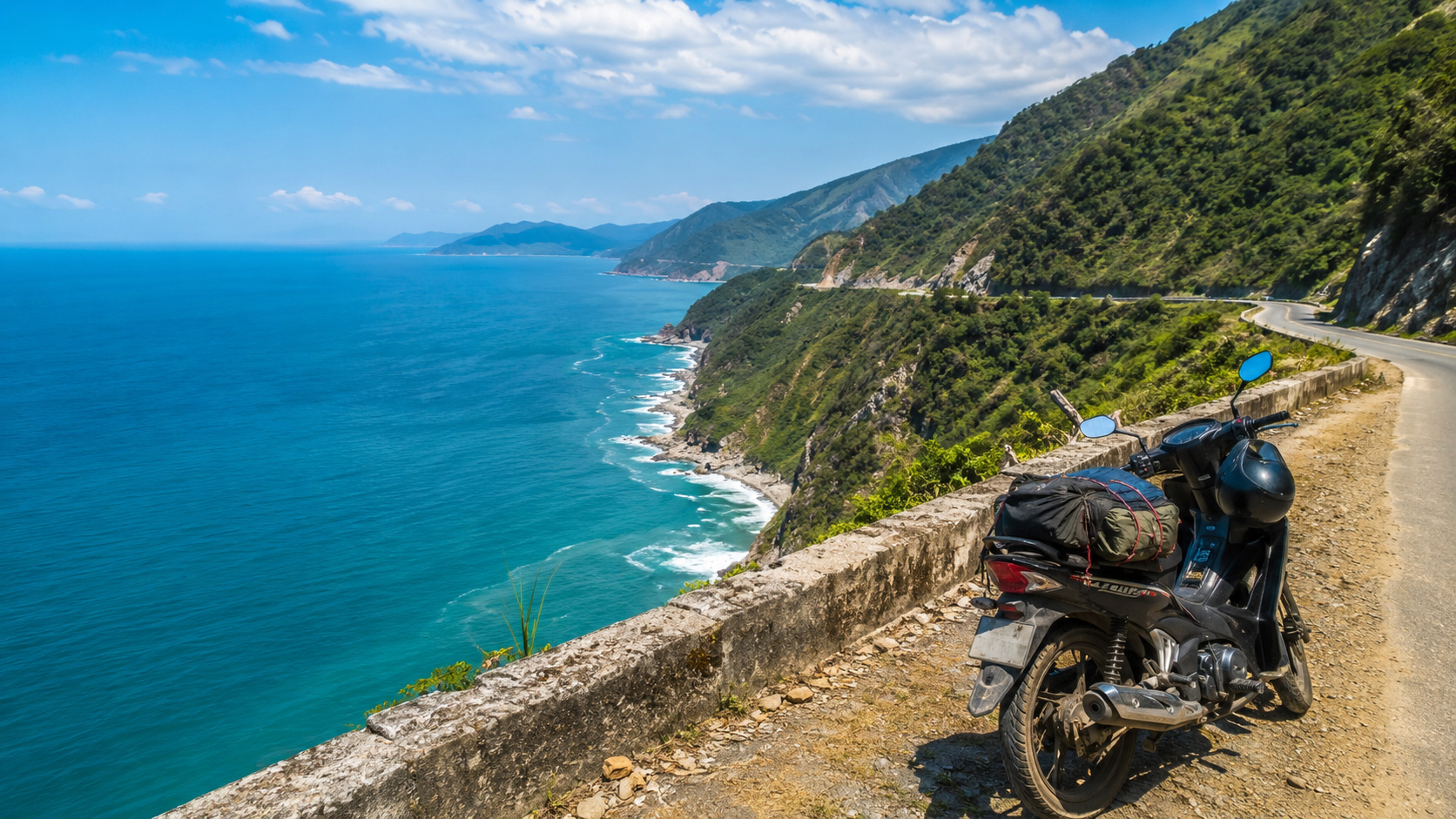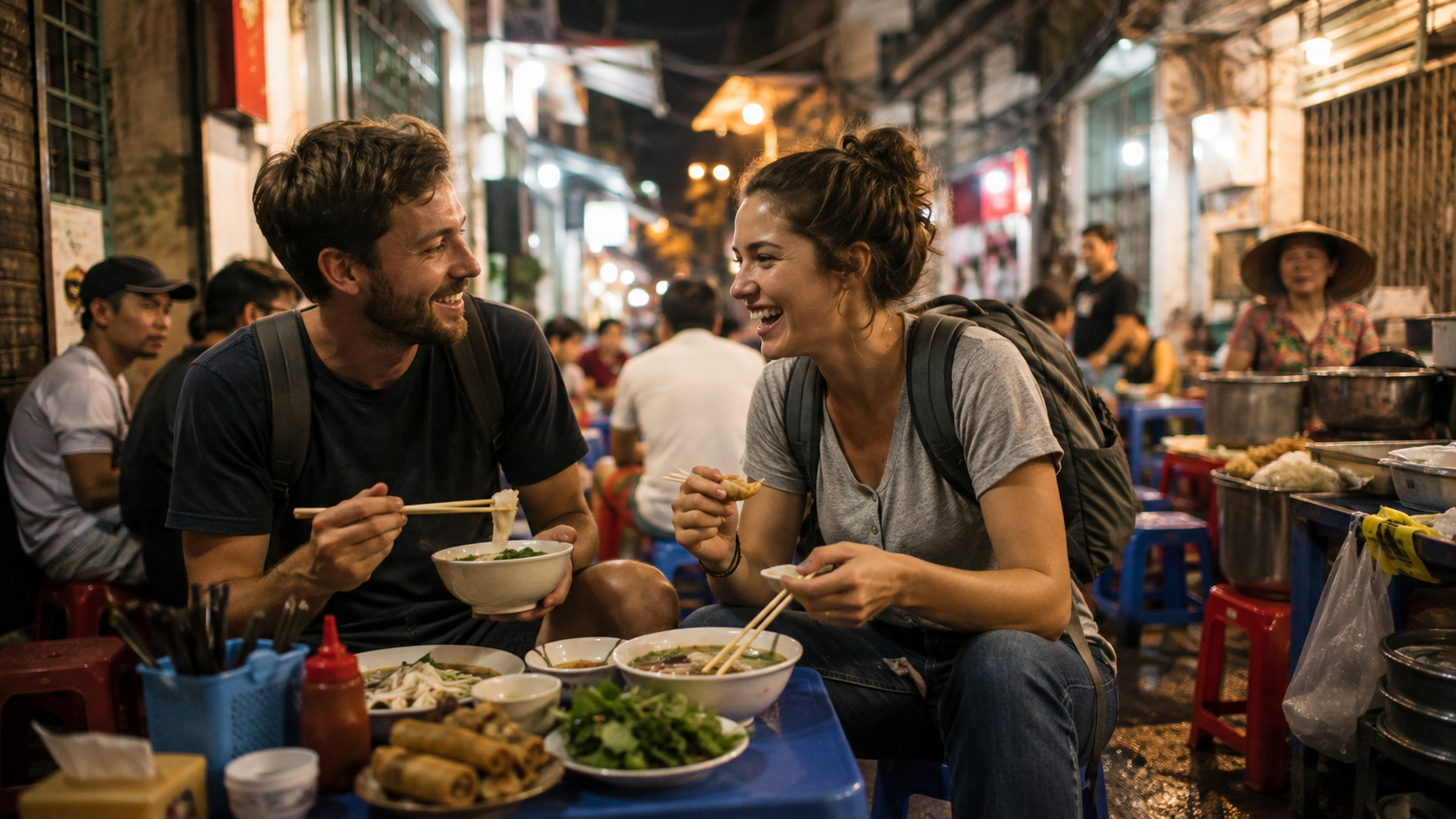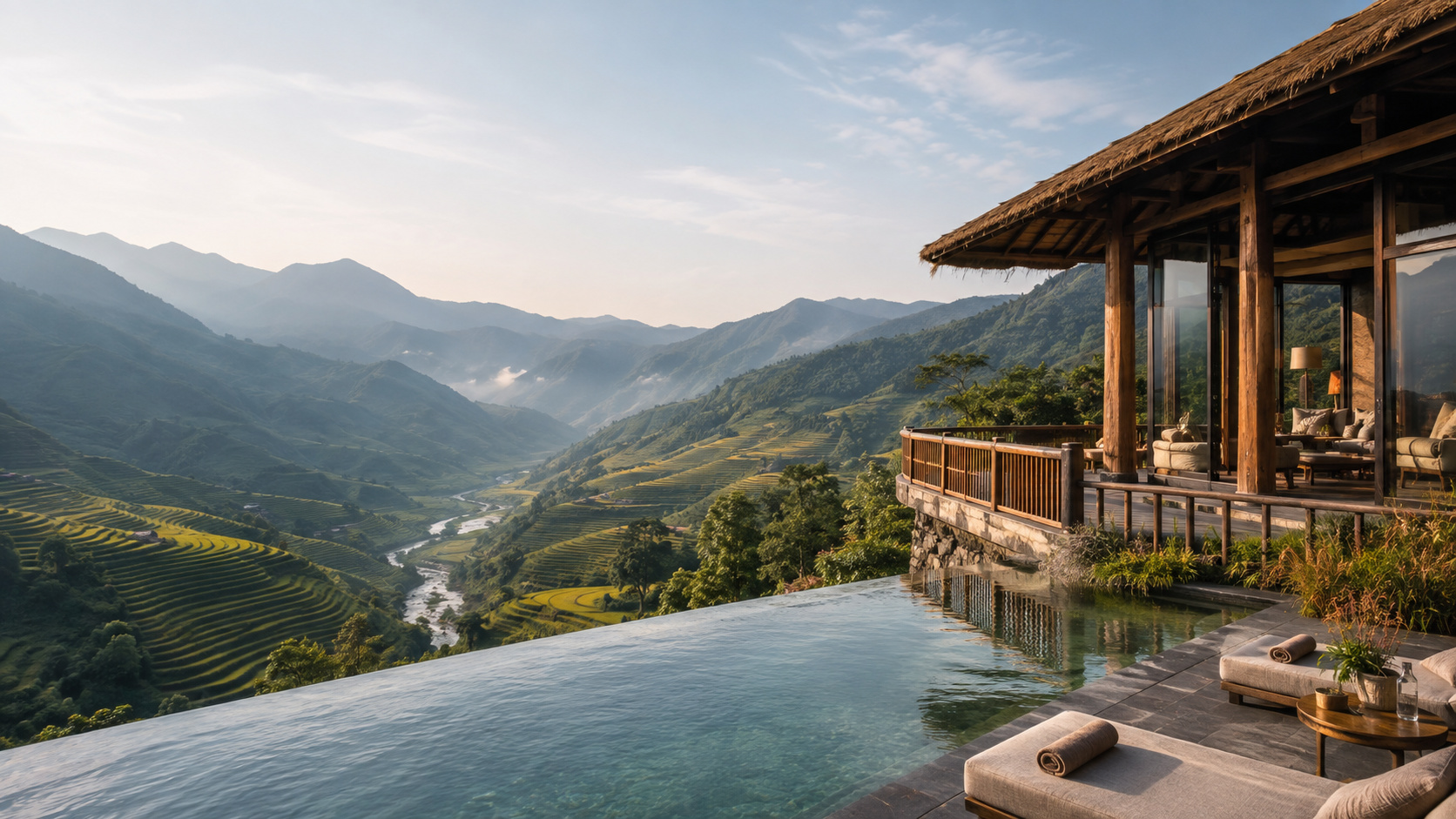

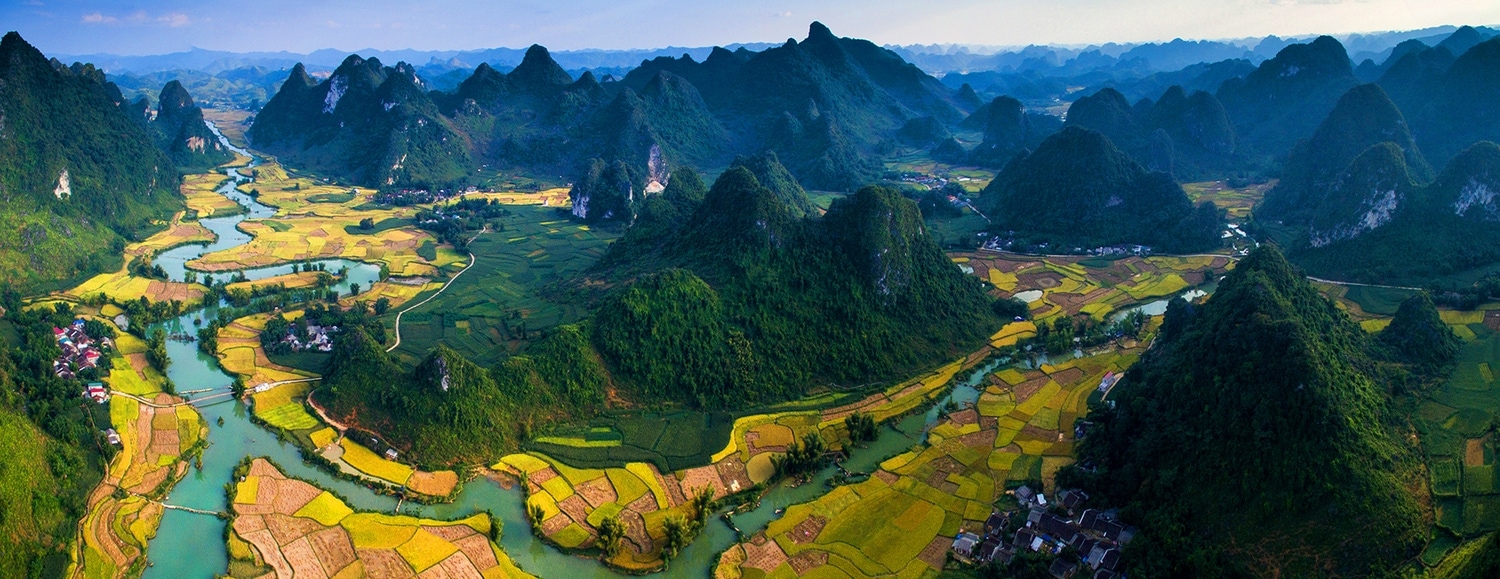
A Vietnam 10 day travel plan needs to balance the desire to see several regions with the practical limits of time. When too many places are added, the journey becomes a sequence of flights, check-ins and checkouts, while meaningful time in each destination becomes shorter. A realistic route should begin with the purpose of the trip, the number of priority regions, the experiences that cannot be missed and the comfort level travellers want to maintain. The 11 ways below organise stop order, night allocation, transport, accommodation, season, budget and contingency time. When these decisions support one another, ten days can provide genuine depth without forcing travellers to spend the whole journey chasing the schedule.
Build the Ten-Day Route Before Booking Services
The first six ways create the route framework before hotels or tickets are booked. Vietnam’s destinations differ substantially across the north, centre and south, so ten days rarely provide enough time for deep exploration of all three regions. A practical plan needs a clear theme, a limited geographic scope, several protected experiences and a logical direction of travel. Only then should nights and transport be assigned according to the time travellers will actually use. This method reduces unnecessary loops, frequent hotel changes and long periods spent waiting. It also protects the days when travellers can walk, eat, rest and understand a destination rather than simply passing through it. Vietnam Tourism likewise presents the country as a collection of highly diverse destinations that can be combined according to the desired travel style. (vietnam.travel)
Define the Purpose, Scope and Non-Negotiable Experiences
The first way is to define the central purpose before listing destinations. A culture-focused journey may emphasise Hanoi, Ninh Binh, Hue and Hoi An, while a nature-led trip needs more time for mountains, bays or river landscapes. Couples may want a slower rhythm and a coastal stage, whereas families need accessible activities and clearly protected rest. Describe the intended trip with three words such as culture, scenery and comfort. These words become a filter for removing famous places that do not serve the purpose. Travellers can compare their priorities with a realistic 10-day example, but the final route should still reflect their own pace and interests rather than copying another traveller’s programme.
The second way is to limit the itinerary to no more than two principal regions unless the group accepts a faster pace and has a suitable budget for domestic flights. Ten days can work well for northern and central Vietnam, central and southern Vietnam, or one major region combined with a beach stay. Trying to include Hanoi, Ha Long, Hoi An, Ho Chi Minh City, the Mekong Delta and Phu Quoc usually creates too many hotel changes. Every additional stage consumes time through packing, transfers, check-in and adjustment to a new environment. Limiting the scope allows travellers to remain longer in the places that matter and reduces the sense that the holiday is taking place mainly in airports, stations and hotel lobbies.
The third way is to select two or three non-negotiable experiences and build the route around them. These might include an overnight cruise, a countryside cycling day, a heritage visit, a boat journey through limestone scenery or several nights by the coast. Each experience should be assessed against season, physical ability and dependence on weather. Secondary activities can then remain optional and be removed when the group is tired. Once priorities are clear, it becomes easier to decide where an extra night creates value and which stop should disappear. A ten-day journey gains depth not from the number of cities recorded, but from whether the principal experiences happen with enough time, attention and energy to be genuinely enjoyed.
Arrange the Stops Along a Logical Geographic Line
The fourth way is to arrange destinations along one continuous geographic line and avoid returning to the same area or using flights to repair a poorly designed route. A northern journey may begin in Hanoi, extend to Ninh Binh, Ha Long or the mountains, and then continue by air to central Vietnam. Hue, Da Nang and Hoi An can be connected overland, while Ho Chi Minh City may act as a gateway to the Mekong Delta or a southern beach stage. Reviewing which stops to include helps reveal unnecessary detours. The map should always be checked against real transfer time, because a short visual distance can still involve slow roads, terminals and waiting periods.
Allocate Nights and Choose Transport by Real Travel Time
The fifth way is to allocate nights according to the role of each destination. The first arrival city normally needs at least two nights so travellers can recover and enjoy one complete day. A destination with a time-sensitive cruise or heritage programme also needs protection before the next major connection. A one-night stay should be treated as a genuine transit stage, not an excuse for a densely packed sightseeing day. Across ten days, three main accommodation bases are generally easier to operate than five or six. Longer stays also allow travellers to revisit a favourite neighbourhood, try another restaurant and enjoy independent time without removing the principal activities from the programme. This is where a realistic pace creates more value than a longer destination list.
The sixth way is to choose transport by total door-to-door time. A domestic flight may be appropriate between distant regions, but airport transfers, check-in, security, baggage collection and the journey to the next hotel must all be included. Trains can add character on selected routes, while private or shared road transport works well for moderate distances and useful stops. The comparison should include both the published timetable and the physical effort required at each terminal. Travellers should also consult transport between each stop before confirming tight connections. The best option protects useful time and physical energy rather than simply showing the lowest fare or shortest scheduled duration.
Complete the Pace, Budget and Ability to Adjust
The remaining five ways turn the route framework into an itinerary that can operate comfortably. A ten-day programme may look sensible on a map and still become tiring when hotels are inconvenient, daily schedules are overloaded, seasonal conditions are ignored or the budget is placed in the wrong services. Travellers need to check accommodation location, regional weather, the value of each expense and the buffer between important bookings. The plan should also include nearby alternatives and one support contact for changes involving flights, weather or health. These precautions do not make the journey rigid. They create a stable structure that allows travellers to remain flexible without damaging the entire route when one part needs to move.
Choose Accommodation by Location and Daily Function
The seventh way is to choose accommodation by location and daily function rather than room price or photographs alone. In Hanoi, Hue, Hoi An or Ho Chi Minh City, a hotel near dining and principal visits can remove several short vehicle journeys. At a beach destination, shoreline quality, airport distance and on-site facilities may matter more than a central address. Check arrival time, noise, lifts, breakfast, laundry and luggage storage before confirmation. The right property makes mornings easier, allows a midday break and reduces pressure to remain outside simply because returning is inconvenient. Accommodation value therefore lies in the way the hotel supports the whole itinerary, not only in the category displayed on the booking page or the appearance of the room.
Match the Season and Allocate the Budget by Value
The eighth way is to match the season to the specific route instead of searching for one perfect month for all of Vietnam. Northern, central and southern conditions differ, while beaches, trekking and cruises are affected differently from urban visits. When dates are fixed, travellers should adjust route order or replace a region rather than protect every original stop. Weather-dependent activities should be scheduled before the departure day so rescheduling remains possible. An indoor alternative such as a museum, cooking session, spa or food experience should also be prepared. Official tourism guidance explains that Vietnam combines different climate patterns and that the most suitable period varies by destination. Seasonal flexibility allows ten days to retain value when actual conditions differ from long-term averages. (vietnam.travel)
The ninth way is to allocate the budget according to its impact on the experience. Invest more in accommodation during a longer restorative stage, a capable guide on an important cultural day and transport on a route that would otherwise be exhausting. A transit stop can use a simpler hotel that is clean, quiet and convenient. Separate accommodation, transport, food, entrance fees, activities and contingency funds, and read inclusions carefully. A low figure loses its appeal when baggage, transfers or principal tickets are excluded. A budget, pace and comfort balance helps travellers see where an upgrade changes the journey and where a moderate service provides the same practical value.
Preserve Buffers, Alternatives and Local Support
The tenth way is to preserve buffers and nearby alternatives. Do not place a flight immediately after a cruise, schedule an overnight train after an exhausting activity day or reserve the only outdoor opportunity for the final morning. An open period can absorb rest, a changed activity, shopping or slower transport. When every service operates correctly, the same time still creates useful freedom. Alternatives should remain in the same area so that a weather change does not produce another long transfer. Buffer time does not make the itinerary inefficient. It protects all later bookings from the chain reaction caused by one small delay and allows travellers to respond to their actual energy instead of continuing simply because the schedule is full.
The eleventh way is to maintain one local support contact for the complicated stages. Travellers may explore independently during many periods, but domestic flights, cruises, long road transfers and weather-sensitive activities benefit from clear operational monitoring. The support provider should understand the entire route, reconfirm pickups, explain change conditions and present alternatives before additional costs are approved. Travellers should also store hotel, driver, insurance and suitable medical contacts. One dependable coordinator does not need to control every hour. Their value lies in reducing the time spent resolving disruptions, allowing the group to continue the journey according to its preferred style rather than contacting several unrelated suppliers during the same problem.
Before paying a deposit, complete one final day-by-day review. Check transfer hours, check-in times, principal activities, meals, rest periods and cancellation conditions. Confirm that the route still reflects the three original priorities and has not accumulated extra stops through fear of missing out. Each day should have one clear focus and at least one flexible period. Important services must be identified by name, category, duration and privacy level. A full route planning guide can support this last review. When every stop has an understandable purpose, ten days become a coherent journey rather than a long checklist travellers feel obliged to complete.
Build a Focused Ten-Day Journey
A Vietnam 10 day travel plan becomes realistic when all 11 ways operate as one connected system. Travellers need to define the purpose, limit the geographic scope, protect non-negotiable experiences, sequence the route logically and assign nights and transport according to real time. Accommodation location, season, budget, buffers and local support then protect quality once the journey begins. Ten days cannot cover every part of the country, but they can provide a meaningful understanding of one or two regions when the itinerary has a clear focus. Tradition Việt can use the dates, budget and travel style of each group to prepare a balanced, transparent route that remains easy to adjust before and during the trip.
Tradition Việt contact information
Hotline: (+84) 967 04 88 91 / (+84) 376 304 008
Email: info@traditionviet.com
Address: CT2A Hanoi Homeland, Hanoi, Vietnam