

Island tours in Phu Quoc take travellers beyond the main beaches to smaller islands, sheltered coves, coral areas and a slower coastal rhythm. However, a programme with many stops does not automatically create a better experience when the route is rushed, the activities are unsuitable or weather changes access. The 14 reasons in this article explain the value of seascapes, snorkeling, swimming, food, efficient operations, tour formats and local support. When these elements are treated as one system, an island tour becomes a meaningful part of a Phu Quoc stay rather than a short boat ride designed mainly for photographs. The aim is to help you compare real value before choosing a half-day, full-day or private programme.
Discover More of Phu Quoc Through an Island Tour
The first eight reasons focus on values that are difficult to gain by remaining near a resort or visiting only beaches on the main island. A well-organised tour can connect smaller islands, change your perspective on the coastline, reach areas suitable for snorkeling and create rest periods between activities. Vietnam’s official tourism platform presents Phu Quoc as a nature destination with white beaches, blue water and varied marine experiences. The exact route still depends on the season, sea conditions and operational decisions on the day. For that reason, compare tours by the quality and purpose of each stage rather than the number of islands written in the programme title or shown in promotional photographs.
Explore Southern Islands and Varied Coastal Landscapes
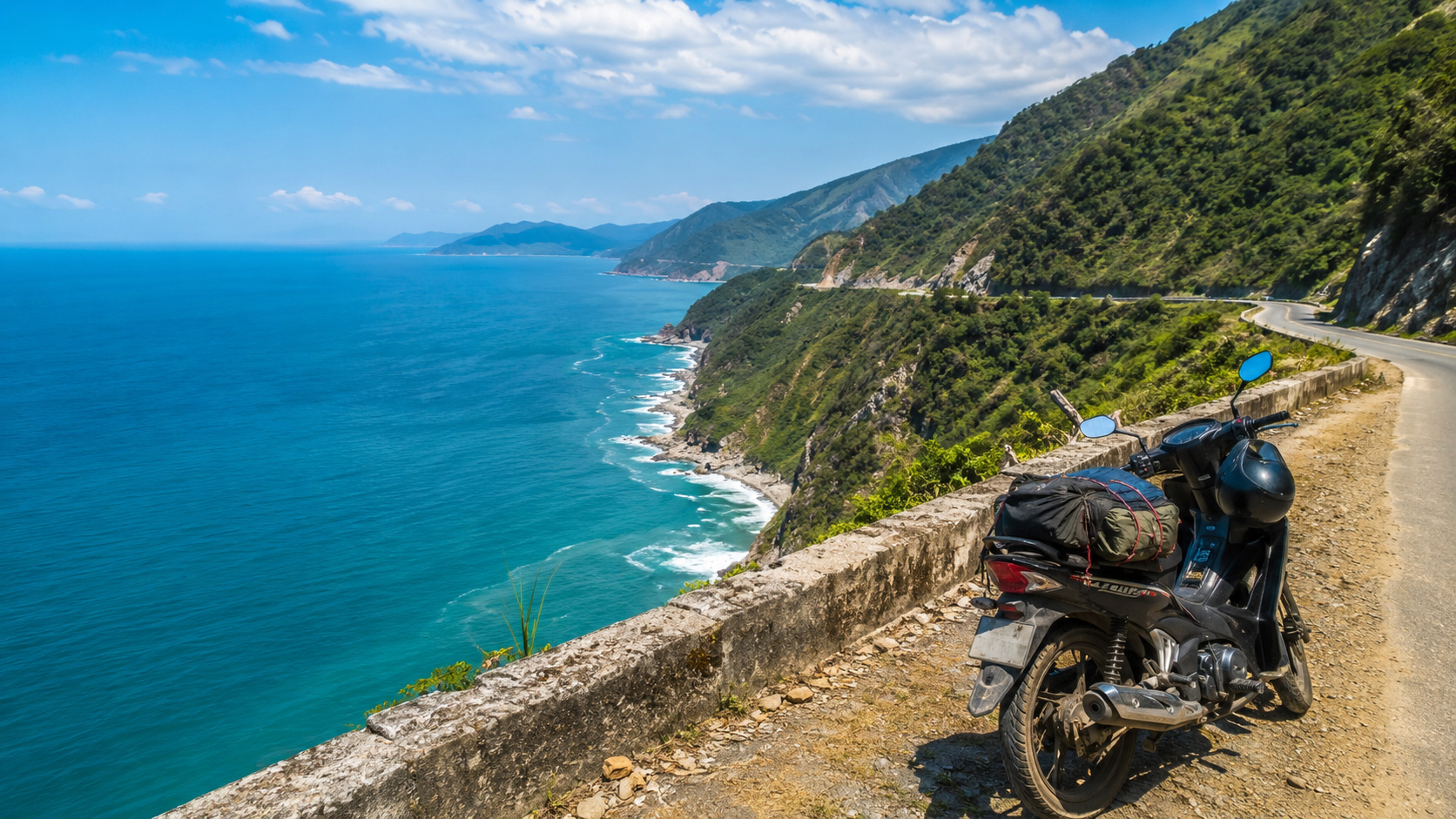
The first reason is access to smaller islands beyond the most familiar beaches. Southern Phu Quoc tours commonly use routes around the An Thoi Archipelago, where boats can connect sandy stops, shallow water and short rest areas within one day. Instead of arranging transport for every stage, travellers follow one sequence between the port, vessel and island stops. The practical value is that movement itself becomes part of the experience. You observe the coastline, forested islands and fishing activity from the water rather than seeing the sea from one fixed location. An official Vietnam Tourism itinerary also identifies island-hopping as a practical way to explore the smaller southern islands.
The second reason is the variety of coastal scenery available within a relatively compact programme. Each stop may feel different through its sand, rocks, vegetation, open water or sheltered bay. This variation suits travellers who enjoy observation and photography but do not want to spend several days moving between separate resorts. Ask whether the route prioritises serviced islands, quieter places or stops designed mainly for underwater activities. A strong tour does not need to visit the greatest possible number of islands. It needs enough time at complementary locations for travellers to recognise real differences in landscape instead of repeatedly boarding and leaving the boat without understanding where they have been.
Access Snorkeling and Underwater Experiences More Easily
The third reason is access to offshore snorkeling areas, and the fourth is support with equipment and basic safety. Official tourism information describes Phu Quoc’s northern and southern islands as locations with shallow water and coral environments suitable for underwater activities. Tours commonly provide life jackets, masks, snorkels and introductory guidance, making the experience more manageable for beginners. Water clarity, current and the selected site can still change from one day to another. Before booking, check equipment condition, supervision ratios, support for children or weak swimmers and the rule against touching or standing on coral. The wider Kien Giang Biosphere Reserve includes coral reef and seagrass ecosystems, reinforcing the need for careful behaviour in the water.
Combine Swimming, Beach Time and Coastal Food
The fifth reason is that island tours can combine swimming and beach rest within one schedule. After a boat transfer or snorkeling session, time on the sand allows the body to recover and creates a better rhythm. Some programmes choose beaches with loungers and services, while others use simpler places with fewer facilities. Ask how much swimming time is actually provided, whether shade, changing areas and toilets are available, and how personal belongings are protected. Families with children and older travellers should also confirm whether boarding uses a pier, a tender boat or a step through shallow water, because the access method can influence whether a route feels comfortable.
The sixth reason is the ability to adjust activities around personal interests. Active travellers may prioritise snorkeling, paddling or swimming, while those seeking rest may spend more time on the beach or deck. Photographers will care about light, stopping time and crowd levels. Before booking, separate activities that are definitely included from those that depend on conditions or require another payment. Flexibility does not mean every request can be accepted during the trip. It means the operator explains which activity may replace another when the sea becomes rough, a site is crowded or one traveller prefers not to enter the water. Clear alternatives prevent disappointment without forcing unsuitable participation.
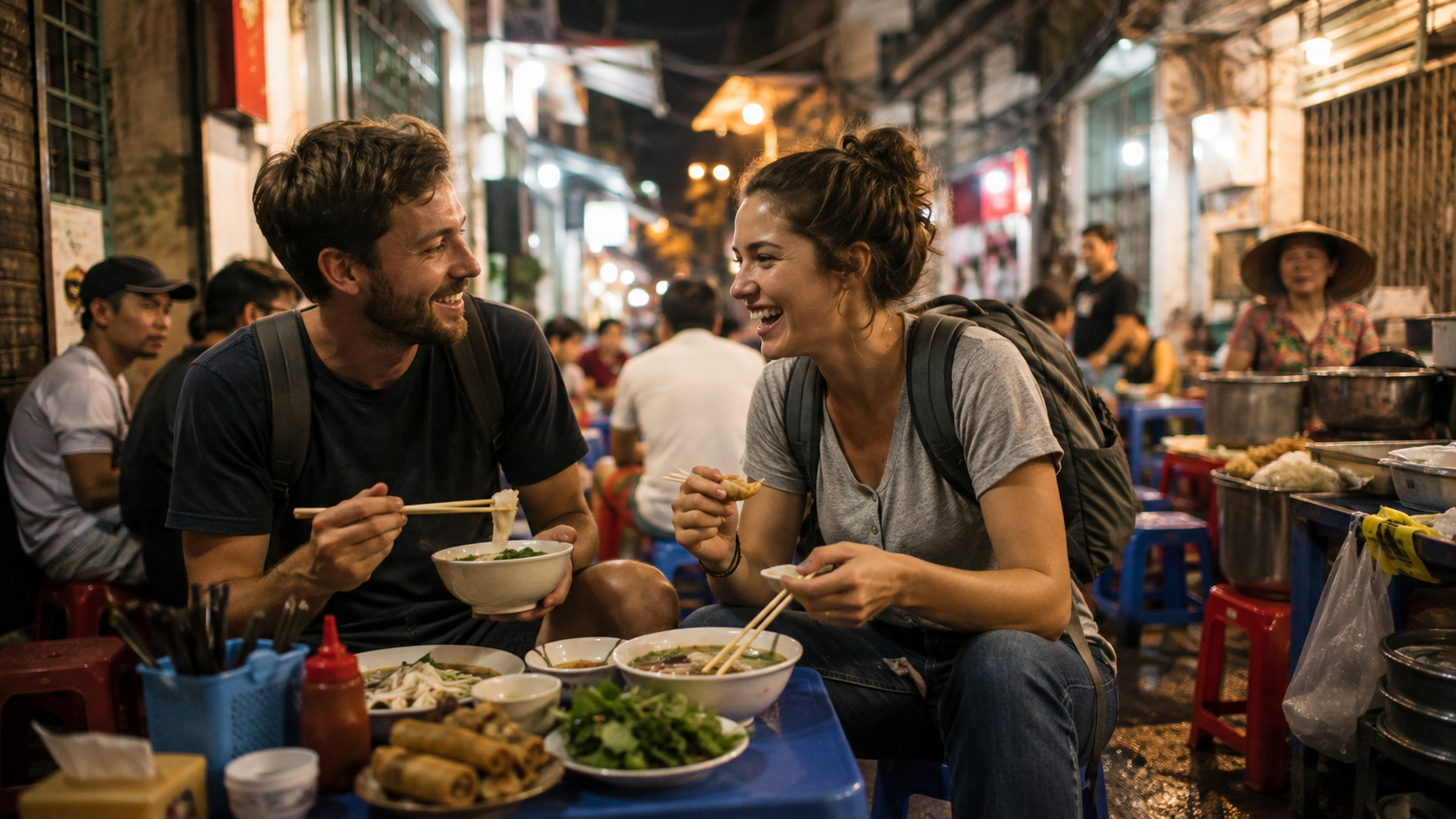
The seventh reason is that lunch on the boat or near an island provides a convenient rest period, and the eighth is a chance to understand coastal life. A suitable lunch needs more than a long seafood menu. It should clarify drinks, vegetarian choices, allergies and food storage. When a programme includes a fishing village or an angling activity, choose an experience that does not interrupt residents or turn everyday work into a performance. Respectful organisation allows the cultural element to complement the seascape. Travellers can review the best things to do in Phu Quoc before deciding which experiences deserve space in the programme.
Add Practical Value to a Phu Quoc and Southern Vietnam Trip
The remaining six reasons concern the practical value of placing an island tour within a Phu Quoc stay or a longer southern Vietnam journey. Travellers are not purchasing only time at sea. They are purchasing a system of pickups, boats, equipment, guiding, meals and responses to change. The quality of that system determines whether the tour saves time or creates additional pressure. Shared departures, small groups and private boats also suit different expectations for budget and flexibility. When the tour is placed on the right day, protected by a buffer and connected logically with activities on the main island, it can balance the itinerary instead of consuming the relaxation time that made Phu Quoc attractive in the first place.
Save Planning Time and Match Different Group Profiles
The ninth reason is time saved through coordinated logistics. A package commonly combines hotel pickup, transfer to the port, the vessel, equipment and lunch under one confirmation. This is useful for travellers with only a few days or limited interest in negotiating separate services. Still, check the real time from leaving the hotel to beginning the first marine activity. A tour described as full day may devote a significant period to multiple pickups, waiting and vehicle changes. Compare actual hours on the boat and at the islands instead of relying only on half-day or full-day labels. A broader Phu Quoc tours guide can help identify which programme format fits the wider stay.
The tenth reason is local route knowledge and the ability to respond to conditions on the day. Operators normally understand suitable ports, efficient stop sequences and possible alternatives when wind, waves or boat density changes. This does not guarantee that the advertised route will remain identical, but it gives decisions a stronger operational basis than an independent charter arranged without local understanding. Ask who can change the route, how travellers will be informed and what happens when a principal activity is cancelled. A reliable operator prioritises safety, explains operating limits and does not continue toward one stop merely to avoid complaints. The response to change is often a better quality indicator than a promise that nothing will change.
The eleventh reason is the range of formats available for different groups. Shared tours usually have accessible prices and suit travellers who enjoy meeting others, although pickup times and activity pace are less flexible. Small groups make explanations and boarding easier. A private vessel may suit families, couples or groups with particular dietary, timing or mobility needs, but the final price and supplements should be checked. Do not choose a private boat only for a premium feeling. Assess whether privacy genuinely allows a better route, more support for weaker participants and improved use of time. The island-hopping Vietnam guide can also help compare Phu Quoc with other island experiences.
Connect the Island Tour with Phu Quoc and Southern Vietnam
The twelfth reason is that an island tour complements days on the main island instead of repeating the same beach experience. One day can focus on offshore scenery, while other days remain available for markets, forest, fish sauce producers, pepper farms or resort time. This division creates a clearer rhythm and avoids scheduling demanding water activities on consecutive days. Consider placing the tour in the middle of the stay, after the body has adjusted to the climate but before the departure day. If sea conditions force a date change, there is still room to rearrange the programme without affecting the flight. Reviewing the ideal Phu Quoc tour length can help protect this buffer.
The thirteenth reason is that Phu Quoc can provide a relaxed conclusion to a southern Vietnam route. After Ho Chi Minh City or the Mekong Delta, an island day creates a transition from urban sightseeing and road travel to a coastal pace. Flights, hotel check-in and the tour date still require buffers. Do not schedule the tour to finish close to a flight or immediately after a late arrival. Seeing Phu Quoc within the complete route makes it easier to decide how many days belong to the main island, how much time should be spent offshore and which activity can be removed if plans change. A South Vietnam itinerary provides a useful framework for this sequence.
Travel Responsibly and Maintain Local Support
The fourteenth reason is that an organised tour can support a more responsible approach when the operator is transparent. The Kien Giang Biosphere Reserve includes coral, seagrass and marine resources connected to local livelihoods. Prefer operators that prevent guests from touching or standing on coral, manage waste, reduce disposable plastic and explain behaviour at each stop. Save the support number, cancellation conditions, insurance information and the procedure used when weather changes. Good local support is not only convenient. It helps the marine experience remain consistent with longer-term conservation goals and gives travellers a clear point of responsibility when safety, equipment or route questions arise.
Choose a More Suitable Phu Quoc Island Tour
Island tours in Phu Quoc deserve a place in a Vietnam itinerary when these 14 reasons match your actual needs. Varied scenery, snorkeling, beach time, food, operational support and connections across southern Vietnam can create a rewarding day. The number of islands matters less than real time at each stop, equipment quality, safety and the operator’s response to change. Before booking, confirm the route, pickup time, vessel type, meals, activities, cancellation rules and support arrangements. Tradition Việt can help match the tour format with your available days, budget, group profile and the rest of the Phu Quoc stay, creating a coastal experience that feels balanced rather than rushed.
Tradition Việt contact information
Hotline: (+84) 967 04 88 91 / (+84) 376 304 008
Email: info@traditionviet.com
Address: CT2A Hanoi Homeland, Hanoi, Vietnam