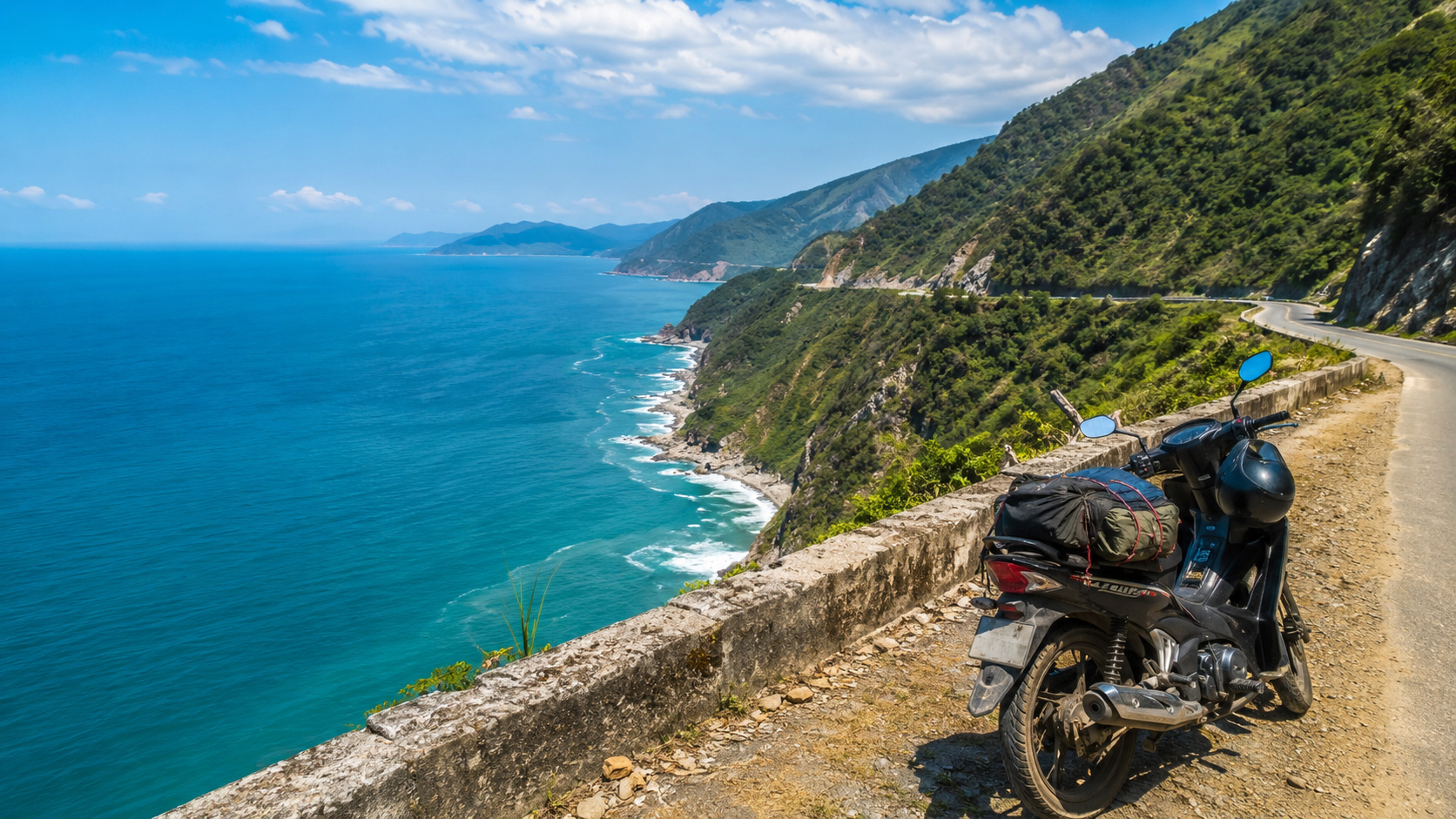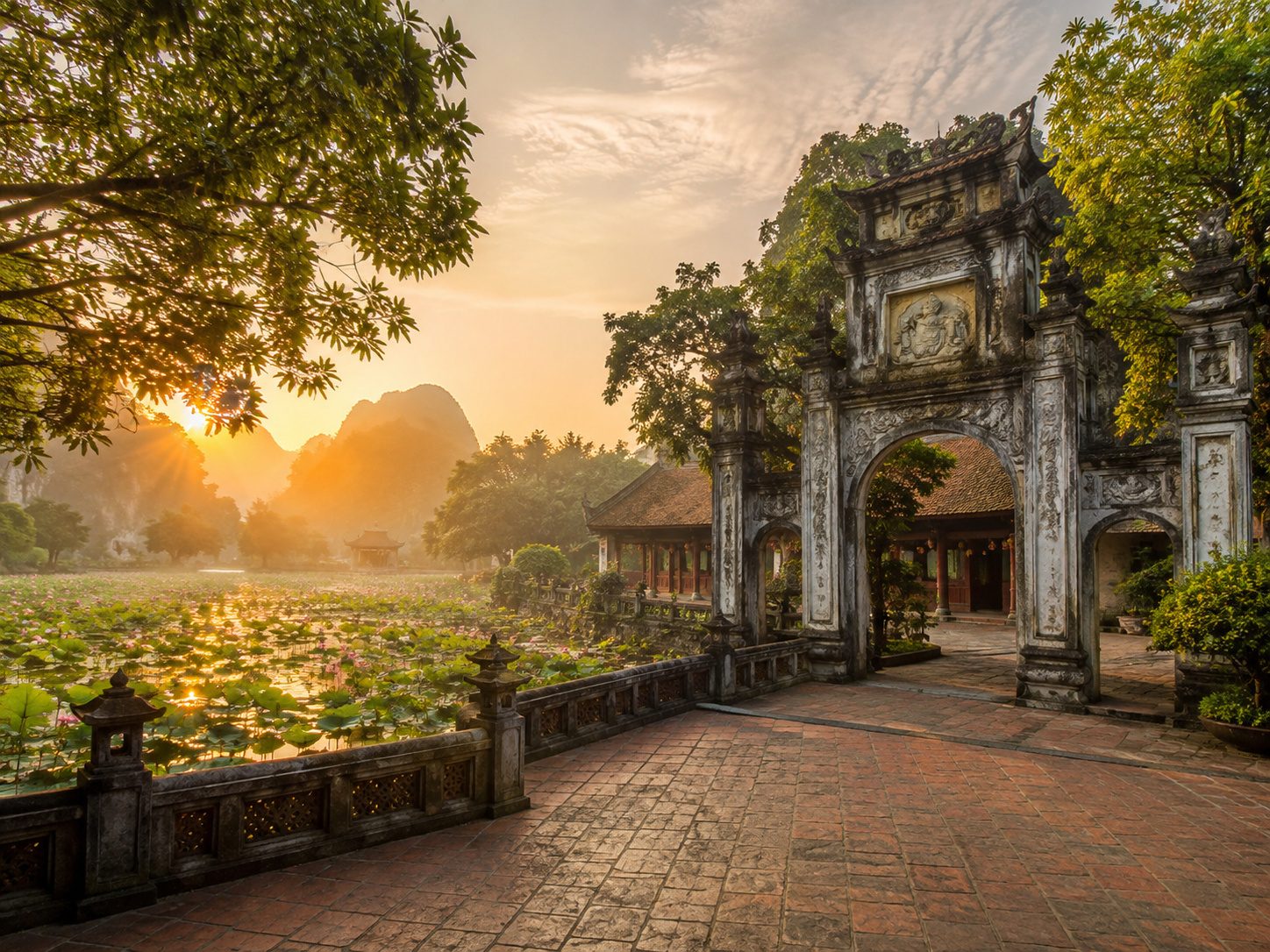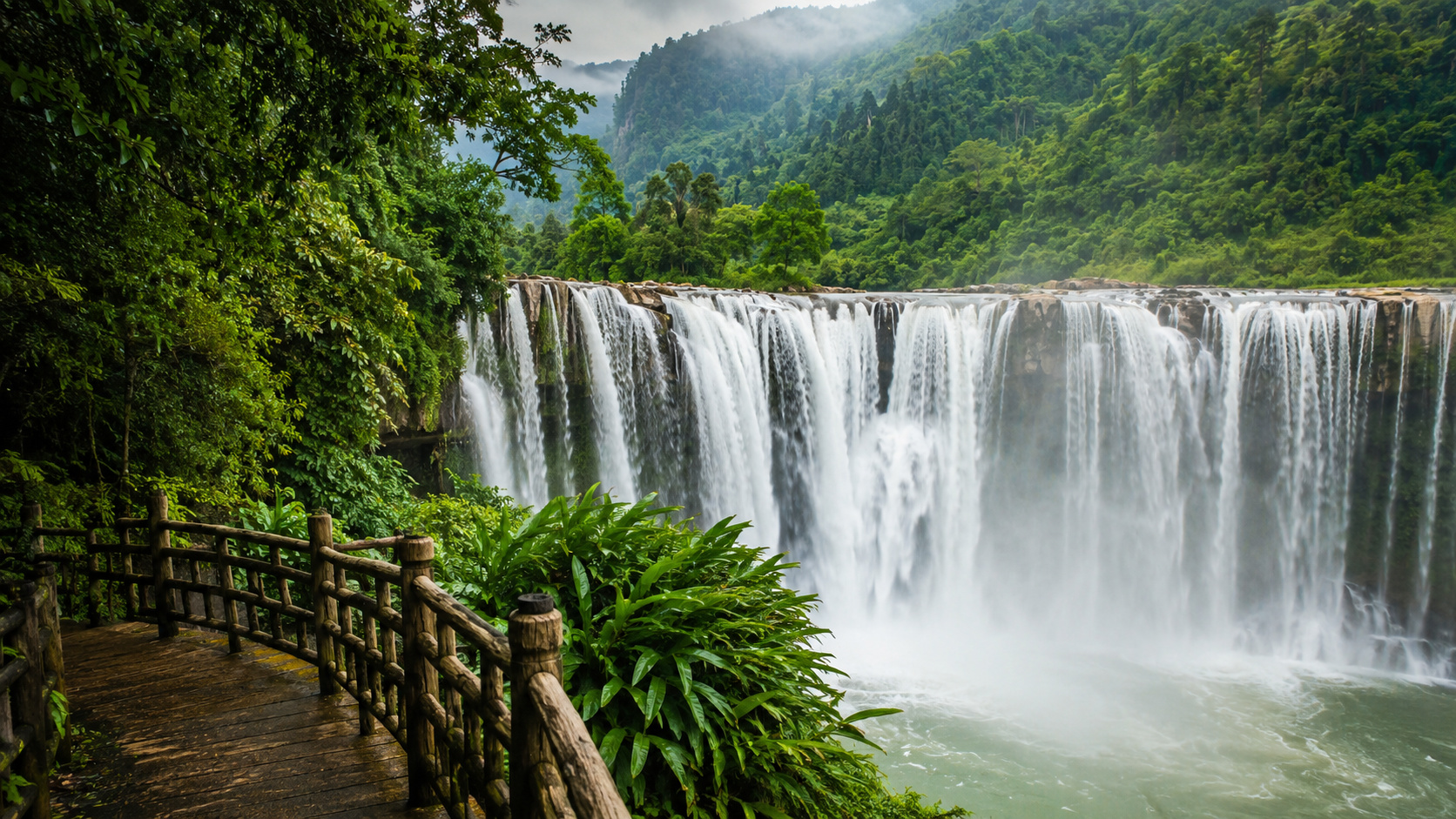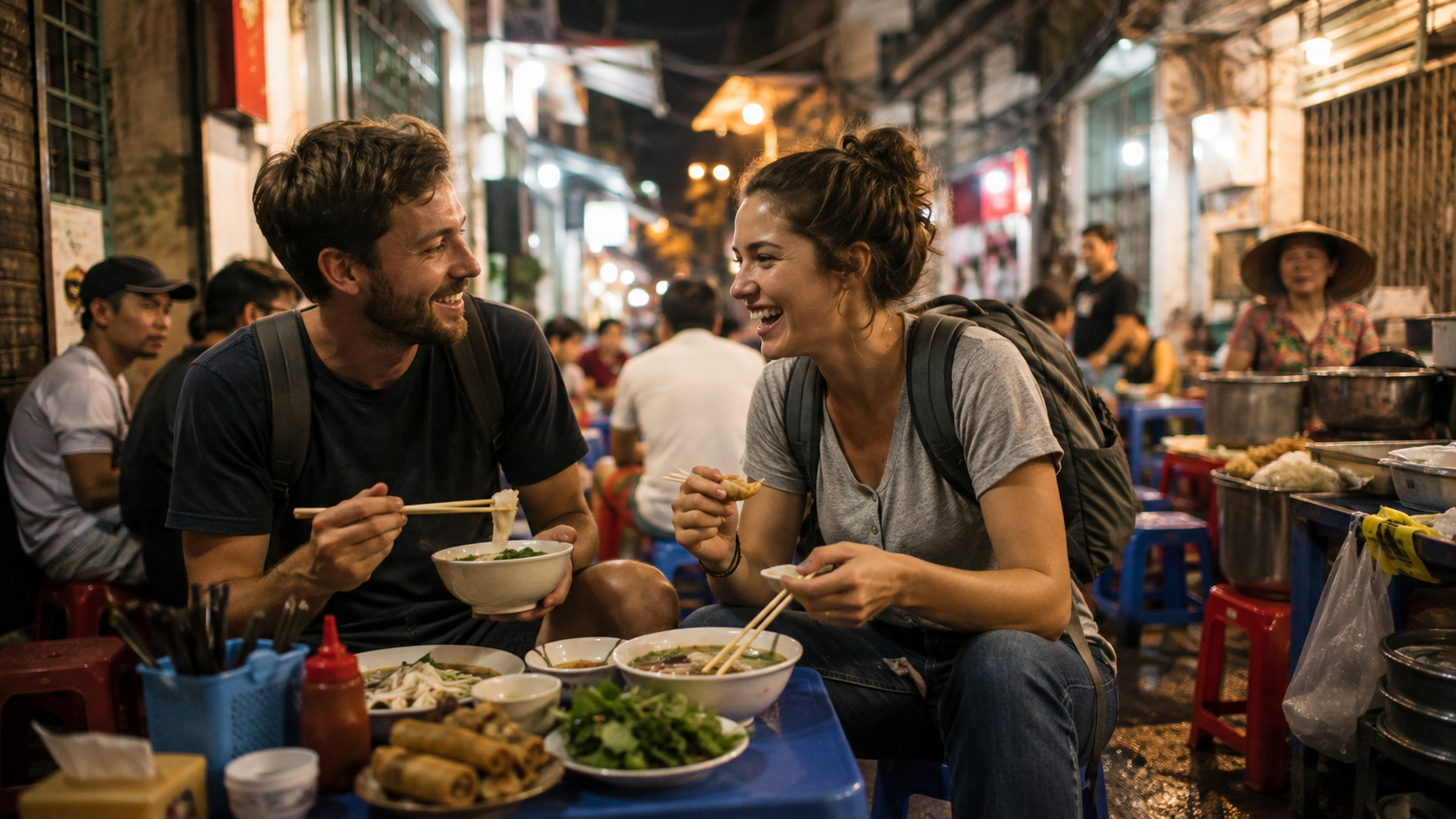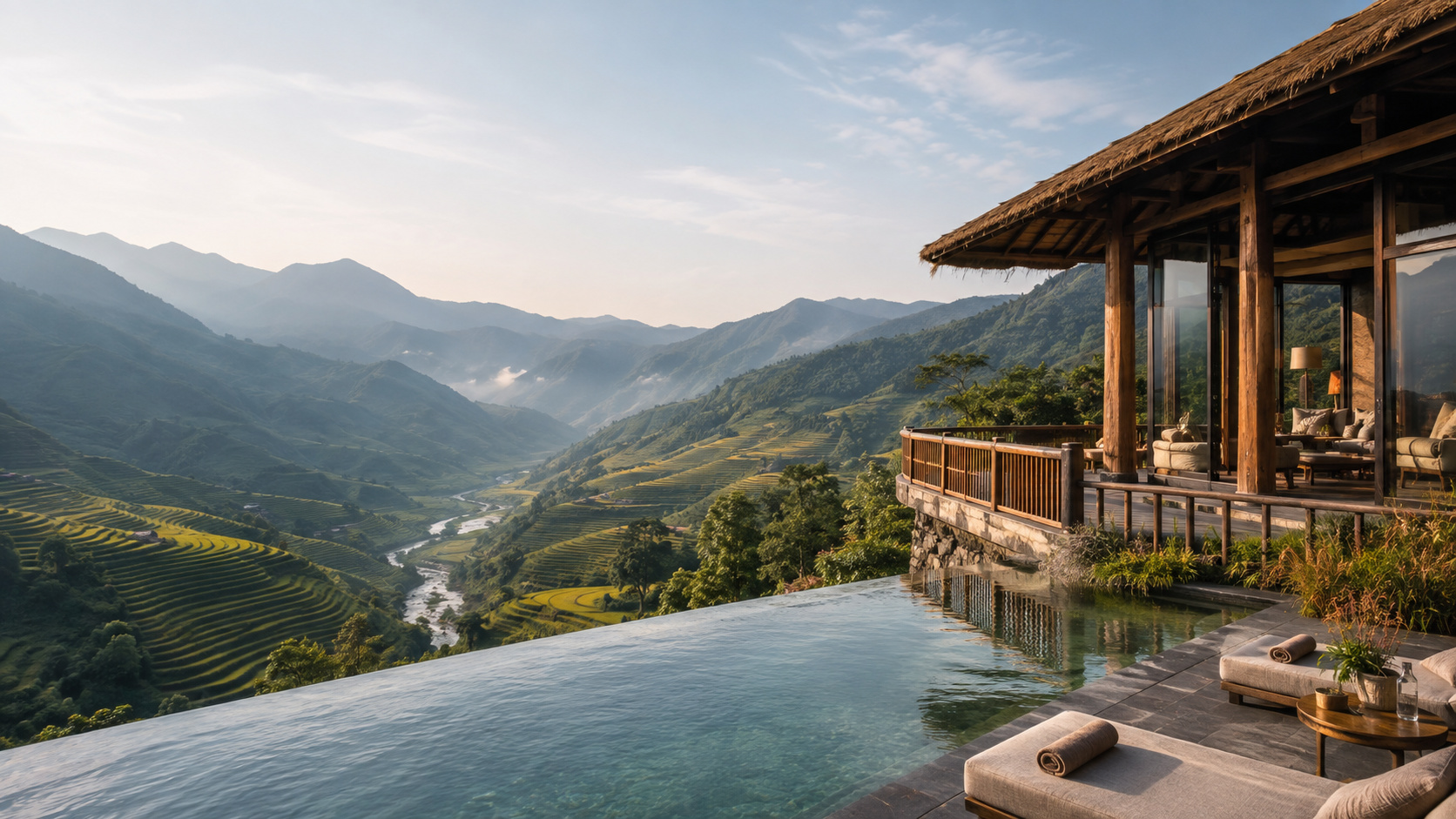

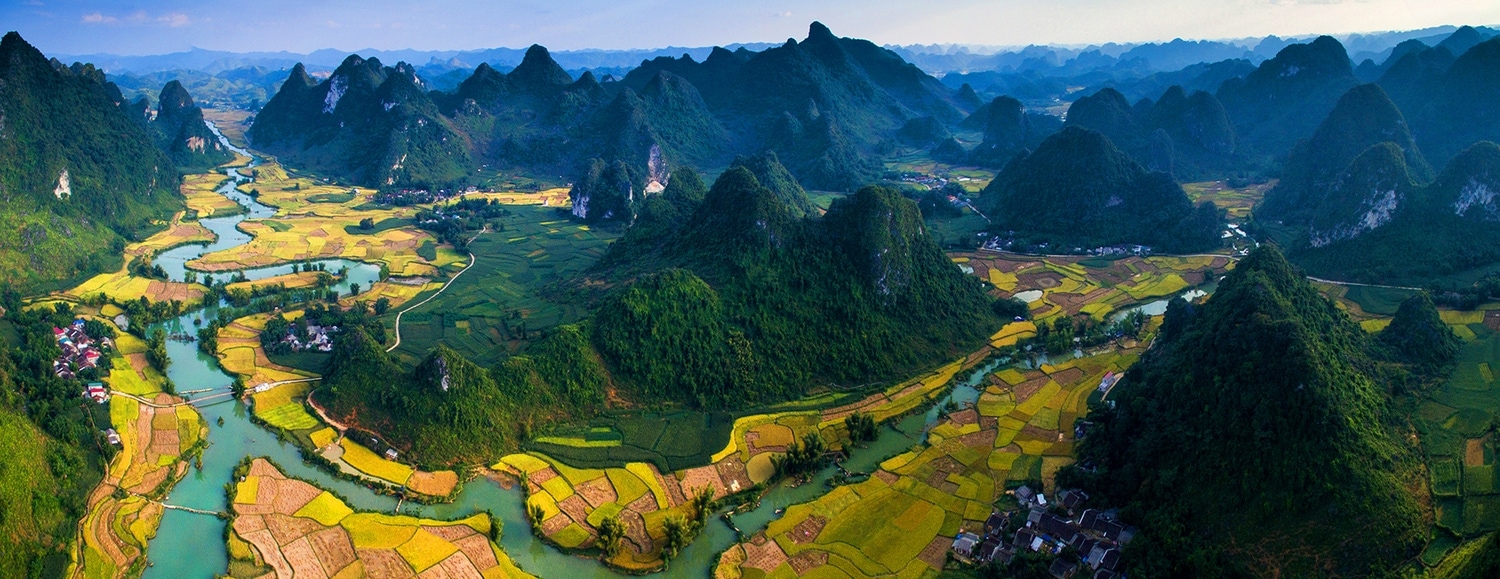
Guided trekking in Sapa takes travellers beyond the town centre into valleys, terraced fields, villages and mountain paths that define this part of northern Vietnam. A beautiful route is not automatically suitable when its gradients, weather, duration or accommodation exceed the group’s ability. The eight points in this article help you define the purpose, select a trail, review seasonal conditions, choose a guide, prepare physically, pack correctly, set the duration and confirm local support. When these decisions form one coherent plan, the trek becomes safer, culturally richer and less vulnerable to last-minute changes. Vietnam’s official tourism platform presents Sapa as one of the country’s leading trekking areas, with walks through rice terraces and community landscapes surrounding the town.
Build a Route That Matches Ability and Conditions
The first four points create the foundation of the trek: purpose, route level, seasonal conditions and guide quality. These decisions should be settled before selecting a hotel or purchasing transport from Hanoi. Sapa offers short village walks, valley crossings and multi-day programmes with homestays, so the same word trekking can describe very different physical demands. A dependable plan states the approximate distance, walking time, gradients, surface conditions, stream crossings and possible shortening points. When this information is shared early, the guide can shape a route that fits the group rather than attempting to repair a mismatch after departure. Travellers also gain a more accurate basis for comparing prices because apparently similar programmes may include different transport, guiding, meals and overnight arrangements.
Choose the Purpose, Level and Experience Style
The first point is to decide whether the trek is mainly for scenery, photography, village life or physical challenge. The second is to translate that aim into measurable demands such as walking hours, gradient, trail surface and the weight carried. A short village route may suit a first mountain walk, while a longer valley crossing or bamboo forest section can require better balance and endurance. Review a Sapa trekking guide for context, then ask the operator for the exact distance, expected duration and difficult sections. A destination name alone does not define the physical demand, and promotional photographs rarely show muddy descents, exposed paths or the amount of time spent climbing.
Review the Season, Weather and Trail Surface
The third point is to match the period with the experience you value. Terraced fields look different during preparation, water season, green growth and harvest, while mountain visibility depends on cloud, mist and rain. No month guarantees that every trail will be dry and clear. Compare your dates with the specific valley, then ask the operator about recent trail conditions. A route that is comfortable in dry weather can become muddy and considerably slower after rain. The best time for Sapa trekking can support seasonal planning, but a forecast remains preparation information rather than a promise that the full itinerary will operate unchanged.
The fourth point is trail surface and the alternative plan. Sapa routes may combine soil tracks, stone, steep steps, village roads, small bridges and sections shared with motorbikes. Rain reduces grip and increases walking time, especially for travellers unfamiliar with poles or mountain footwear. Ask whether any part requires hand support, water crossings or a long descent. The operator should be able to identify a shorter route, vehicle access point or alternative pickup when the group moves more slowly. A safety-related route change does not reduce the value of the day when the replacement still provides meaningful scenery and community contact. It is more responsible than continuing only to preserve the original marketing description.
Prepare for temperature changes between the town, valleys and higher areas. Mornings can feel cool while the middle of the day becomes warmer and more humid during movement. Thin layers, compact rain protection and a dry change stored in a waterproof bag are generally more practical than one heavy item. Do not pack according to Hanoi temperatures or only the highest number in a forecast. Vietnam’s official destination information notes Sapa’s steep roads and valley trails, so clothing and footwear should support outdoor movement rather than photography alone. Check the weather again shortly before departure and let the guide adjust the starting time when necessary.
Select the Guide and Confirm Responsibilities
The fifth point is to choose a guide according to route knowledge, communication and the ability to respond to change. Ask whether the guide knows the planned trail, which language will be used, whether they regularly work with children or older guests and how the group stays connected if separated. A local guide can explain agriculture, customs and village life through lived knowledge, but travellers should still know which company carries operational responsibility for insurance, backup transport and incident support. Vietnam’s official tourism content highlights treks led by Hmong women and locally rooted guides, showing how transparent local services can direct more value toward the community.
Before the trek, agree on the pickup point, start time, likely pace, meals, village fees, return transport and responsibility limits. Tell the guide about previous injuries, allergies, regular medication and dietary requirements so the route can be adjusted before departure. For a homestay programme, confirm the sleeping arrangement, bathroom, bedding, electricity, mobile coverage and luggage transfer. These details do not remove the sense of discovery. They align expectations and allow the group to focus on the landscape and community encounters instead of resolving preventable misunderstandings on the trail.
Prepare the Practical Details for a Smoother Trek
The remaining four points turn the selected route into an operational plan: fitness, equipment, duration and respectful behaviour. Many difficulties are caused less by distance than by carrying too much, starting too quickly, failing to drink or placing the trek too close to a long transport connection. Review the complete journey from leaving Hanoi to returning to the hotel or continuing elsewhere. Rest, check-in, changing clothes and managing wet equipment all require time. Trekking also passes through places where residents live, farm and worship, so photography, purchasing, waste and the use of local services form part of the experience quality. Practical preparation should protect both the traveller and the communities whose paths make the journey possible.
Prepare Fitness, Walking Pace and Essential Equipment
The sixth point is fitness that matches the route. In the weeks before travel, gradually extend walking time, use stairs and test a light backpack to identify knee, ankle or back problems. Begin the trek slowly, maintain a safe distance and drink regularly rather than waiting until thirst becomes strong. The guide should be told when someone develops increasing pain, dizziness or breathing difficulty. Do not follow the pace of a stronger group member simply to preserve the timetable. A smooth trek is one where everyone can observe the landscape and finish with enough energy for the next stage of the trip, even when that requires shortening the original route.
Equipment should prioritise grip, dryness and manageable weight. Familiar footwear is safer than a new expensive pair that has never been tested, while dry socks, rain protection, a hat, sun protection, water, snacks and a personal first-aid kit cover many basic needs. Trekking poles can help on steep or slippery ground when adjusted correctly. Keep the phone, power bank and documents in a waterproof pouch. Review practical Sapa trekking tips, then adapt the list to the route, season and guide’s local advice. Packing for every possible situation usually creates unnecessary weight and makes balance more difficult.
Arrange Duration, Homestays and Transport Connections
The seventh point is placing the trek correctly within the northern itinerary. Reaching Sapa from Hanoi requires a substantial road journey or a train connection followed by a mountain transfer, so avoid beginning a demanding route immediately after arrival when the group has not slept, eaten or stored its main luggage. A one-day programme suits a limited schedule, while two days and one night create more time for distant villages and a homestay. The ideal trekking length can help compare formats. Confirm the return time to town and protect a realistic buffer before the next bus, train or flight so a slower trail does not disrupt the following stage.
Respect Communities, Control Costs and Maintain Support
The eighth point is to trek respectfully through places where people live and work. Ask permission before close photographs, do not enter homes, fields or worship areas without an invitation and follow local guidance on clothing or behaviour. When purchasing handicrafts, ask the price politely and avoid creating pressure around children. The official Sapa tourism information centre publishes specific guidance on appropriate conduct in Hmong villages, emphasising respect for customs and daily life. The guide should introduce these expectations before the group reaches the community rather than correcting behaviour only after a problem occurs.
Clarify costs for guiding, vehicles, entrance fees, meals, water, homestays, luggage transfer and route-change supplements. Ask which payments go directly to local households, how children are priced and what happens when weather causes cancellation. A low price has little value when the programme lacks backup transport or expects one guide to manage every operational risk. Responsible services should explain who benefits, reduce waste and prioritise local suppliers where practical. Vietnam’s national tourism authority encourages experiences that protect nature and create positive impact for ethnic minority communities, providing a useful standard for comparing operators beyond marketing claims.
Finally, save the guide’s number, the operator, accommodation and return transport contact. The group should agree on what happens when one person stops, mobile service disappears or the route changes. Share the itinerary with someone at home and keep booking confirmations offline. When Sapa forms part of a Hanoi – Halong – Sapa route or another North Vietnam itinerary, protect enough time between stages. A dependable support system does not make the trek feel artificial. It allows the group to respond calmly to ordinary mountain changes and prevents a delayed walk from disrupting the remainder of the journey.
Plan a More Balanced Sapa Trek
Guided trekking in Sapa becomes smoother when eight points are treated as one system: purpose, level, weather, guide, fitness, equipment, duration and community responsibility. Do not choose a trail only because of a rice-terrace photograph or a promise to reach a remote village. Request the distance, surface, walking time, alternative route and inclusion list in writing. A shorter route that matches the group can deliver more value than a long trek that leaves everyone exhausted. Tradition Việt can coordinate Hanoi transport, local guiding and homestay arrangements around your available days, budget and activity level, creating a northern journey that remains realistic from arrival to the final connection.
Tradition Việt contact information
Hotline: (+84) 967 04 88 91 / (+84) 376 304 008
Email: info@traditionviet.com
Address: CT2A Hanoi Homeland, Hanoi, Vietnam