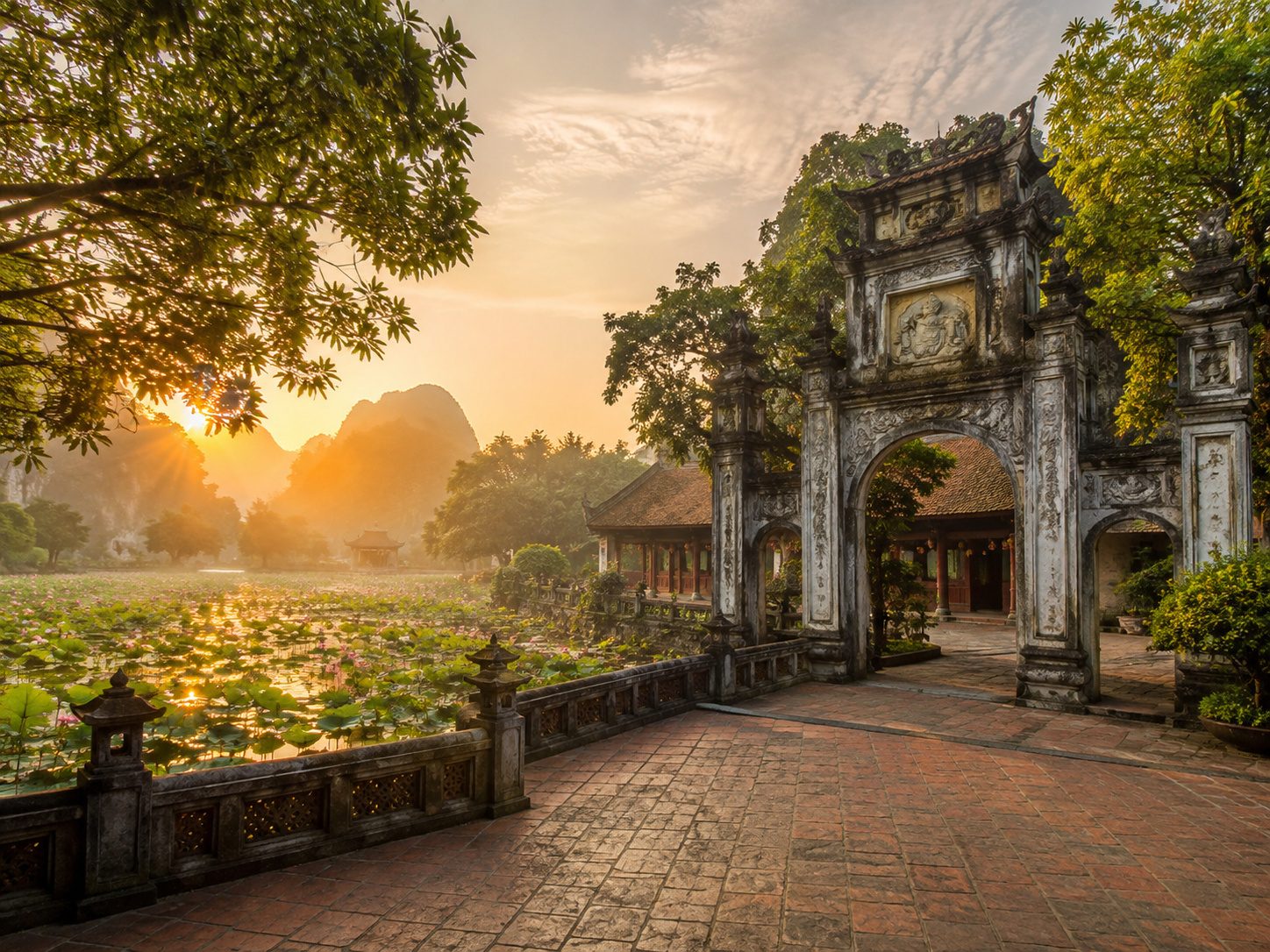


Saigon city tours do more than place famous landmarks into one schedule. A well-designed programme creates a clear connection between history, architecture, food and contemporary urban life. The city is extensive, changes quickly and contains neighbourhoods with very different identities, so independent sightseeing within limited time can produce an inefficient route or miss important context. The 13 reasons in this article explain why a suitable guided programme can make a wider Vietnam journey easier to understand. Its value does not come from visiting the greatest possible number of sites. It comes from interpreting the city, using time effectively, reaching local experiences with confidence and connecting Saigon logically with other destinations across southern Vietnam.
Discover Saigon’s History, Food and Daily Life Through a Clear Route
The first seven reasons concern the essential value a city tour can provide within the urban area. A strong programme helps travellers read several layers of history, recognise architectural contrasts, experience food with context and observe life beyond familiar attractions. Vietnam’s official tourism website describes Ho Chi Minh City as an energetic metropolis where older and newer expressions of Vietnam exist in close proximity. This makes the city especially suitable for themed tours, but it also means the route needs a clear purpose. When the stops support one another, travellers remember more than place names. They begin to understand why the city looks, moves and communicates as it does today, while avoiding a schedule made of unrelated landmarks.
Understand Layers of History and Architecture in One Day
The first reason is that a guide can connect historical locations into one narrative rather than leaving them as separate photo stops. Independence Palace is a special national historical relic associated with major periods in the city’s history, while the War Remnants Museum researches, preserves and displays materials concerning war and its consequences. When these places appear in a carefully paced route, travellers can distinguish between a former political space, historical memory and the ways the past is presented to the public. That context is difficult to gain from a few introductory signs. A complete Saigon tours guide can help travellers compare historical routes before selecting the attractions that genuinely match their interests.
The second reason is that a tour makes the city’s architectural development easier to recognise. Central civic buildings, commercial facades, religious spaces, alleys and residential blocks reflect different periods and uses. A well-designed walking or vehicle route shows how administrative buildings relate to markets, shopping streets and places of worship. The guide can explain former names, present functions and neighbourhood changes rather than discussing each facade in isolation. Travellers then begin to see how architecture responds to climate, traffic and daily commercial life. This perspective turns the city from a collection of contrasting styles into an evolving urban environment, and it helps visitors decide which districts deserve more independent exploration after the guided session has finished.
Experience Food as Part of Urban Culture
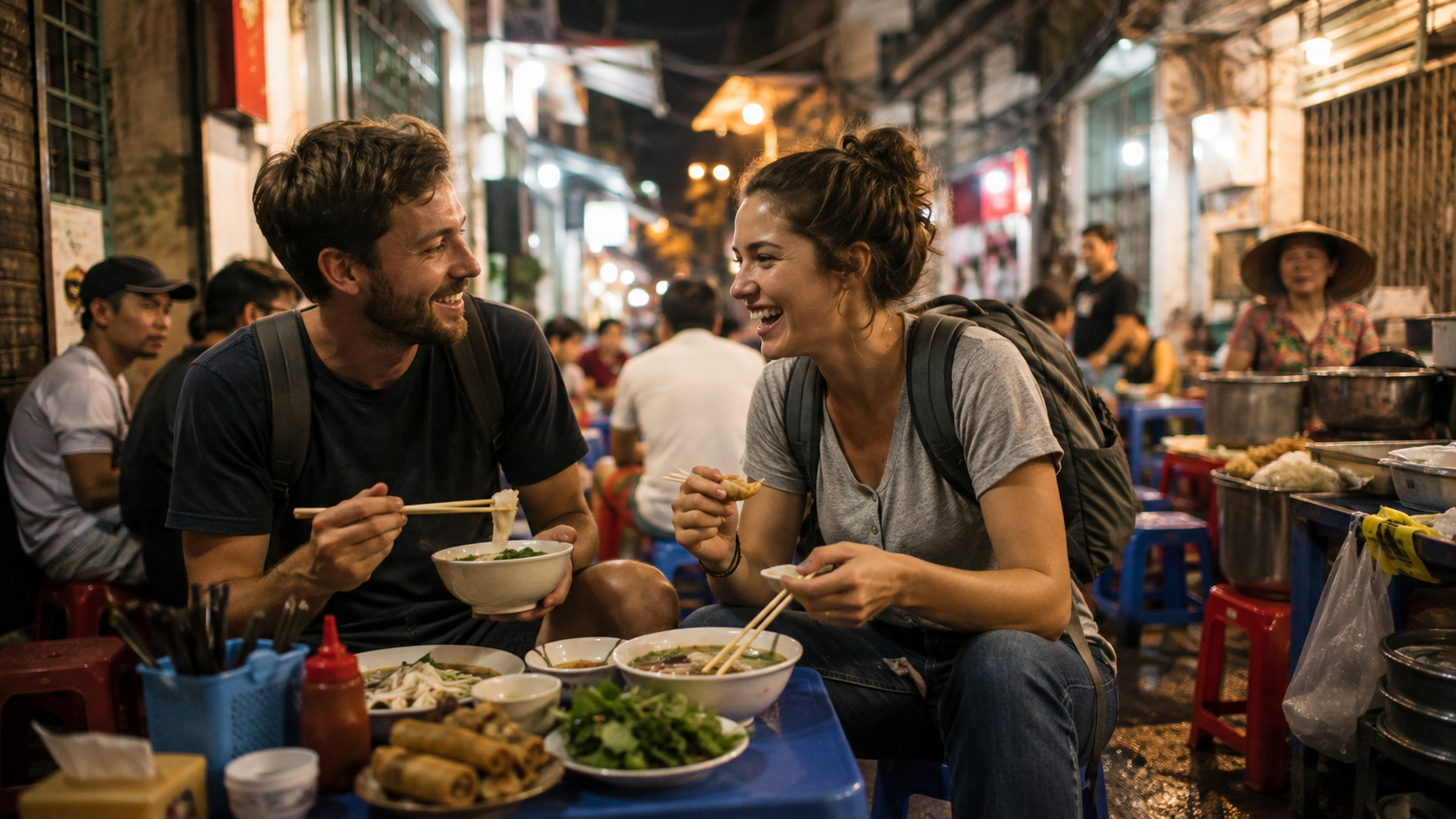
The third and fourth reasons are safer discovery and stronger cultural context. A tour can introduce family-run restaurants, markets and food streets suited to the traveller’s schedule, appetite and allergy requirements. The aim should not be to consume the largest number of dishes. It should be to understand ingredients, ordering habits, meal times and the influence of different communities on the city’s cuisine. A good guide can also distinguish between places designed mainly for tourists and vendors with a stable local following. Travellers who want this focus can compare a dedicated Saigon food tour with a general sightseeing programme. Food then becomes a way to read the city rather than another checklist of famous dishes.
See Local Life Beyond the Major Landmarks
The fifth reason is that a tour can move beyond the standard visitor circuit while maintaining direction and confidence. Residential markets, old apartment buildings, alley cafes, canal-side routes and neighbourhood workshops may appear less dramatic than major monuments in promotional images, but they reveal how residents use urban space. A local guide can explain market hours, the way shops extend onto pavements, the social role of small cafes and the coexistence of several generations within one district. These observations add depth without requiring a long journey outside the city. Travellers can use the broader Ho Chi Minh City travel guide to identify neighbourhoods worth revisiting independently after receiving this first guided orientation.
The sixth reason is the opportunity to understand Cholon as a cultural district rather than only a shopping area. Assembly halls, temples, traditional medicine streets, food shops and trading activity reflect the long history of Chinese communities in the city. A thoughtful programme explains behaviour in religious spaces, how to observe commerce without interrupting residents and the differences between nearby streets. A brief photography stop can miss the meaning of symbols and the connections between worship, family organisations and business. A themed tour places Cholon within the wider development of Saigon and gives visitors enough context to appreciate both its visible heritage and its continuing role in daily urban life.
The seventh reason is the ability to experience the city at an appropriate time of day. Mornings reveal market preparation, coffee routines and the beginning of commercial activity, while evenings emphasise street food, riverside spaces and entertainment. Selecting the right time can avoid some periods of intense traffic and provide experiences unavailable in a midday itinerary. Travellers might combine a morning history route with a separate evening food or neighbourhood tour rather than compressing every interest into one session. Time-based planning makes the city easier to absorb and allows each district to be seen while its characteristic activities are naturally taking place, which often creates more memorable encounters than visiting only according to a generic attraction timetable.
Add Flexibility and Connect Saigon with a Southern Vietnam Journey
The remaining six reasons concern the practical value of placing a city tour within a longer Vietnam itinerary. Saigon is a major southern hub, but a good programme should not treat it only as an arrival and departure point. A guided introduction helps travellers understand traffic, select useful accommodation areas, recover from an international flight and prepare for Cu Chi, the Mekong Delta or coastal destinations. Walking, private-car, motorbike and specialist tours also allow the experience to match different ages, mobility levels and interests. When inclusions, costs and support are clear, the city tour becomes an effective transition between international travel and deeper exploration of southern Vietnam. It provides both orientation and a more confident basis for deciding what should come next.
Use Saigon as a Gateway to Southern Vietnam
The eighth and ninth reasons are better orientation and more logical regional connections. After an introductory tour, travellers understand local transport, distances, eating patterns and the daily rhythm, making it easier to prepare for Cu Chi, Tay Ninh, the Mekong Delta or coastal areas. Instead of booking a day trip only because a destination is famous, they can assess road time, physical demands and whether an overnight stay would add value. A South Vietnam tours guide helps compare the wider regional options, while a focused Mekong Delta tour guide supports decisions about day trips and slower itineraries. Saigon becomes an informed starting point rather than a simple transport hub.
Choose a Tour Format That Matches Your Time and Style
The tenth reason is the diversity of tour formats. Walking works well for central districts and travellers who want close observation, while a private vehicle helps families or larger groups connect more distant locations. Motorbike tours can reach alleys, food areas and residential neighbourhoods quickly, but the driver, helmet, insurance and traveller comfort need careful review. Private tours allow a more personal pace, while shared tours suit visitors who want lower costs and social interaction. The right format makes transport serve the objective instead of becoming a promotional feature that encourages travellers to accept an unsuitable activity level or risk. Choosing the format first also makes price comparisons more accurate because the services are genuinely equivalent.
The eleventh reason is that a programme can be adjusted to the real time available. A transit visitor or traveller with one free afternoon may choose a short central route, while someone staying three or four days can separate history, food and neighbourhood life into individual sessions. A well-planned tour includes pickup time, traffic, ticket procedures, meal breaks and the return to the hotel rather than counting only the minutes inside attractions. This matters particularly for travellers recovering from a long flight or taking another connection the following day. A realistic pace improves understanding and prevents one overloaded city day from reducing energy for the rest of the Vietnam itinerary.
The twelfth reason is that private or small-group tours can better support families, older travellers and visitors with specialist interests. Children may need shorter explanations, frequent breaks and visual activities, while photographers need time to study light and composition. History-focused travellers may want longer museum visits, whereas food-focused guests need detailed discussion of ingredients. Communicating these priorities before confirmation allows the organiser to identify essential stops, optional sections and the necessary support level. Meaningful customisation comes from the allocation of time and attention, not simply from applying the private-tour label. The itinerary should visibly change in response to the group rather than following an unchanged standard route with a different vehicle.
Receive Local Support and Keep Costs Clear
The thirteenth reason is that local support can remove small difficulties that would otherwise interrupt a sightseeing day. A guide can manage collection points on restricted streets, ticket purchases, restaurant communication, rain-related route changes and vehicle contact during traffic delays. Travellers should still review the inclusion list, pickup supplements outside central areas, gratuities, tickets, meals and cancellation terms. A dependable programme provides these conditions in writing, offers an alternative when necessary and does not promise control over every external factor. Transparency allows the tour to feel convenient rather than creating repeated payments or unexpected changes. It also gives travellers a clear contact when an item is lost, a participant feels unwell or a meeting arrangement becomes confusing.
Before booking, compare programmes by route, real duration, maximum group size, guide experience and support instead of price alone. Confirm whether mandatory shopping stops are included, how free time is organised and which activities may change because of weather. When the wider journey includes Cu Chi or the Mekong Delta, arrange these as separate days rather than forcing them into an already crowded city programme. Clear information allows Saigon city tours to provide a strong foundation for the southern itinerary and helps travellers use limited time more effectively. The best programme should reduce uncertainty while preserving enough flexibility for personal discoveries, food choices and unplanned observations during the day.
Plan a More Suitable Saigon City Tour
Saigon city tours deserve a place in a Vietnam itinerary because they can connect 13 benefits, from history, architecture, food and neighbourhood life to regional orientation, flexible formats and practical support. A suitable tour does not need to take you everywhere in one day. It should select the right theme, build a coherent route and allow enough time for observation, questions and rest. Before deciding, share your available days, interests and preferred activity level with the organiser so the programme can reflect real needs. Tradition Việt can arrange private or small-group city experiences and connect Saigon with southern destinations at a more balanced pace, creating a journey that feels understood rather than merely completed.
Tradition Việt contact information
Hotline: (+84) 967 04 88 91 / (+84) 376 304 008
Email: info@traditionviet.com
Address: CT2A Hanoi Homeland, Hanoi, Vietnam