

Guided tours in Hanoi can help travellers understand the city more quickly, connect historic places with contemporary life and reduce the time spent arranging transport, tickets or communication. However, a programme with many stops does not automatically create depth, and even an excellent guide cannot fully repair an itinerary that is too crowded or unsuitable for the group. Before booking, review six points covering purpose, route structure, guide quality, pace, free time and operational support. When these elements are clear, the tour becomes a flexible framework rather than a list of landmarks to complete. A structured review also makes it easier to compare programmes according to real value instead of relying only on the opening price, attractive photographs or the total number of places included.
Define the Theme, Route and Hanoi Tour Format
The first three points determine whether a Hanoi tour matches your interests, available time and preferred travel style. Begin with what you want to understand about the city, then assess whether the route follows a clear geographical or thematic logic, and finally review the guide and group size. Hanoi contains layers of political history, craft streets, religious spaces, museums, lakes and food culture. When too many experience types are compressed into a few hours, travellers may receive disconnected information while spending much of the tour moving. A strong framework connects stops through one story and allows time to observe, ask questions and rest between stages. This is more valuable than collecting brief visits that provide little context or personal engagement.
Choose a Suitable Purpose and Tour Format
The first point is to choose a central theme rather than selecting the tour with the longest attraction list. Travellers interested in political history may prioritise the Imperial Citadel of Thang Long, Ba Dinh or museums, while those curious about urban life may prefer the Old Quarter, markets and traditional trading streets. Architecture, religion and art require different routes again. The Imperial Citadel was a long-standing centre of political power and is recognised by UNESCO, while the Temple of Literature reflects Hanoi’s educational heritage. Both are important, but they should not be included simply to increase the number of stops when the guide has too little time to explain their context.
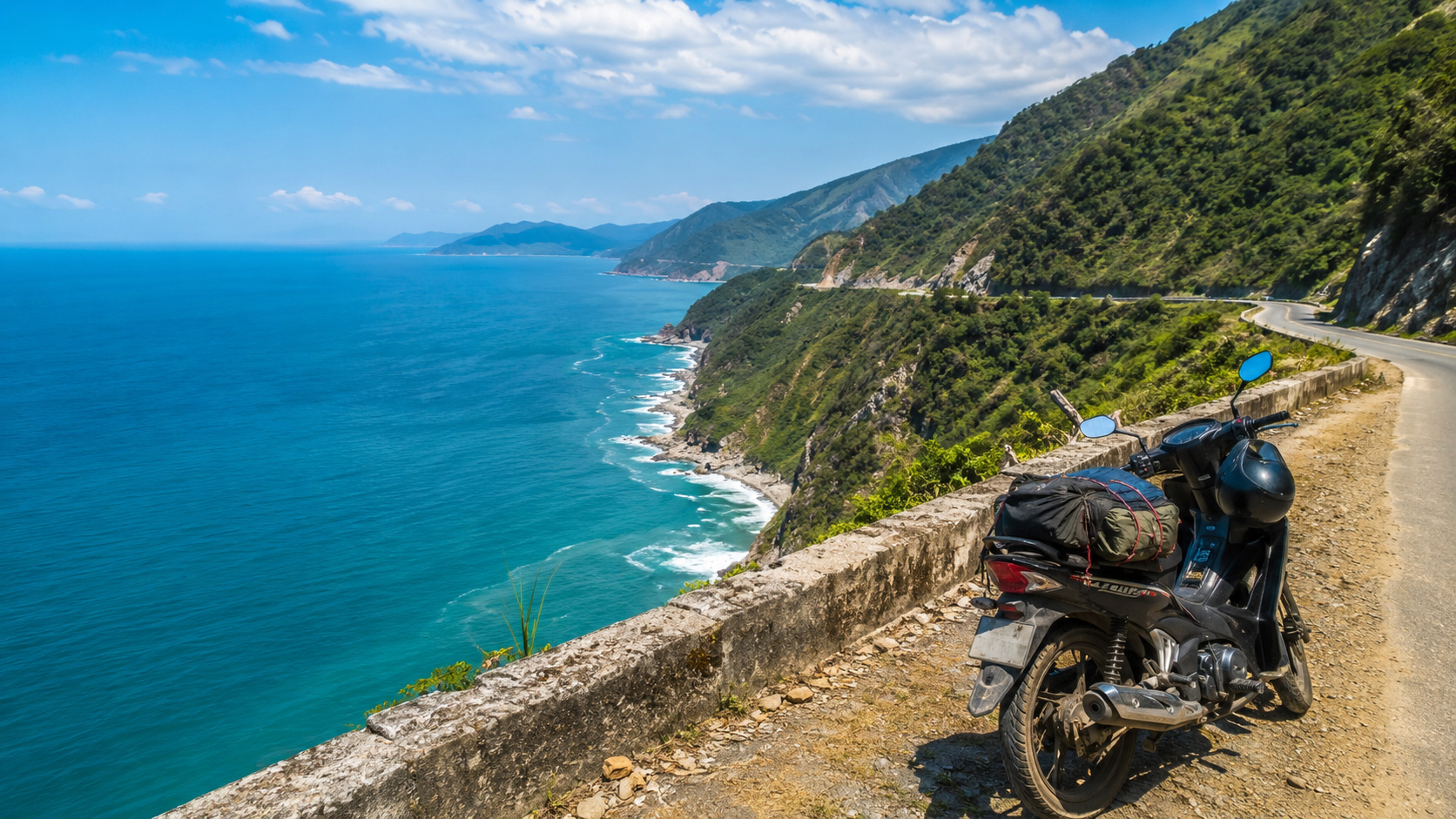
Decide which tour format suits the level of support you want. Walking is particularly useful in central areas because it allows close observation of facades, alleys, shops and everyday movement. A private vehicle is more practical when connecting distant sites or travelling with children and older guests. Cycling, motorbike or themed transport can make the experience lively, but safety standards, weather and participant confidence should be reviewed first. No format is ideal for everyone. The best option is the one that supports the subject, reduces waiting and avoids turning the day into repeated boarding and disembarking. A broader Hanoi tours guide can help compare possible formats before a specific programme is selected.
Tell the organiser what you do not want as clearly as what you do want. Some travellers dislike shopping stops, product demonstrations or very crowded locations. Others need time for photography, coffee or conversation with local residents. Put these requests in writing so the route can be adjusted before confirmation. For a shared programme, ask which stages are compulsory and which can be skipped. A suitable tour does not need to satisfy every interest in one day, but the main purpose should remain visible and the limitations should be explained honestly before payment. This prevents the traveller from expecting a private level of flexibility in a fixed group schedule and gives the organiser a clearer basis for planning.
Check the Route Logic and Realistic Timing
The second point is route logic and realistic timing. Nearby sites should be grouped to reduce backtracking, vehicle waiting and unnecessary exposure to heavy traffic. A session around Hoan Kiem Lake and the Old Quarter can combine walking, food and commercial heritage, while Ba Dinh, the Temple of Literature or the Imperial Citadel may need a separate time block. The Old Quarter is an urban heritage area shaped by traditional craft and trading streets, so its value lies in explaining how the district has changed rather than simply leading visitors through street names. Review a detailed Hanoi Old Quarter guide and request the expected duration at each stop before deciding whether the proposed route is workable.
Assess the Guide and Group Size
The third point is guide quality. Confirm the working language, experience with the chosen theme, ability to communicate with your age group and confidence in handling questions beyond a memorised introduction. A strong guide connects historical periods, customs, architecture and present-day change rather than reading isolated facts. For families, clear storytelling and the ability to hold children’s attention may matter more than academic detail. Returning visitors or specialist groups may value source awareness, multiple interpretations and less familiar information. Read reviews that describe what the guide actually did instead of relying only on an average score. You may also ask whether the assigned guide is confirmed or whether the company can substitute another person without notice.
Group size directly affects hearing, questions and movement. Small groups usually navigate crowded streets more easily and can stop in alleys, small shops or narrow heritage spaces. Large groups may offer a lower price, but gathering, ticketing and boarding normally take longer. Ask for the maximum number of guests, whether audio equipment is used when necessary and what happens when one participant needs a break. A private tour may justify the additional cost when you need a personal pace. For a shared tour, compare the price with duration, group limit, transport and guiding quality instead of judging the payment alone. A low price has limited value when much of the tour is spent waiting or struggling to hear the explanation.
Review the Pace, Free Experiences and Operational Support
The remaining three points concern how the tour operates after the route and guide have been selected. Review whether the pace allows enough time to understand each place, whether inclusions are transparent, whether personal time is useful and how the organiser responds when weather or traffic changes. This is what separates a programme that looks correct on paper from one that feels smooth in practice. Hanoi can be hot, rainy, crowded or affected by changing traffic conditions, so the schedule needs reasonable buffers. A good tour does not promise that every minute will remain fixed. It explains which priorities will be protected, which parts can be adjusted and how travellers will be informed when the original sequence must change.
Clarify the Pace and Included Services
The fourth point is daily pace and the inclusion list. Check the starting time, walking duration, stairs, breaks, transport, entrance tickets, drinking water and meals. A half-day tour should not contain too many sites requiring security checks, ticket queues or distant transfers. When a location closes on particular days, the organiser should name a meaningful alternative. Travellers should also know which expenses are paid locally, whether gratuities are expected and whether the finishing time allows a safe connection with the next activity. A clear inclusion table supports accurate comparison and prevents the schedule from becoming longer because payments, collection points or procedures were not explained. It also helps families assess physical demands before reaching the meeting place.
Leave Time for Food and Personal Discovery
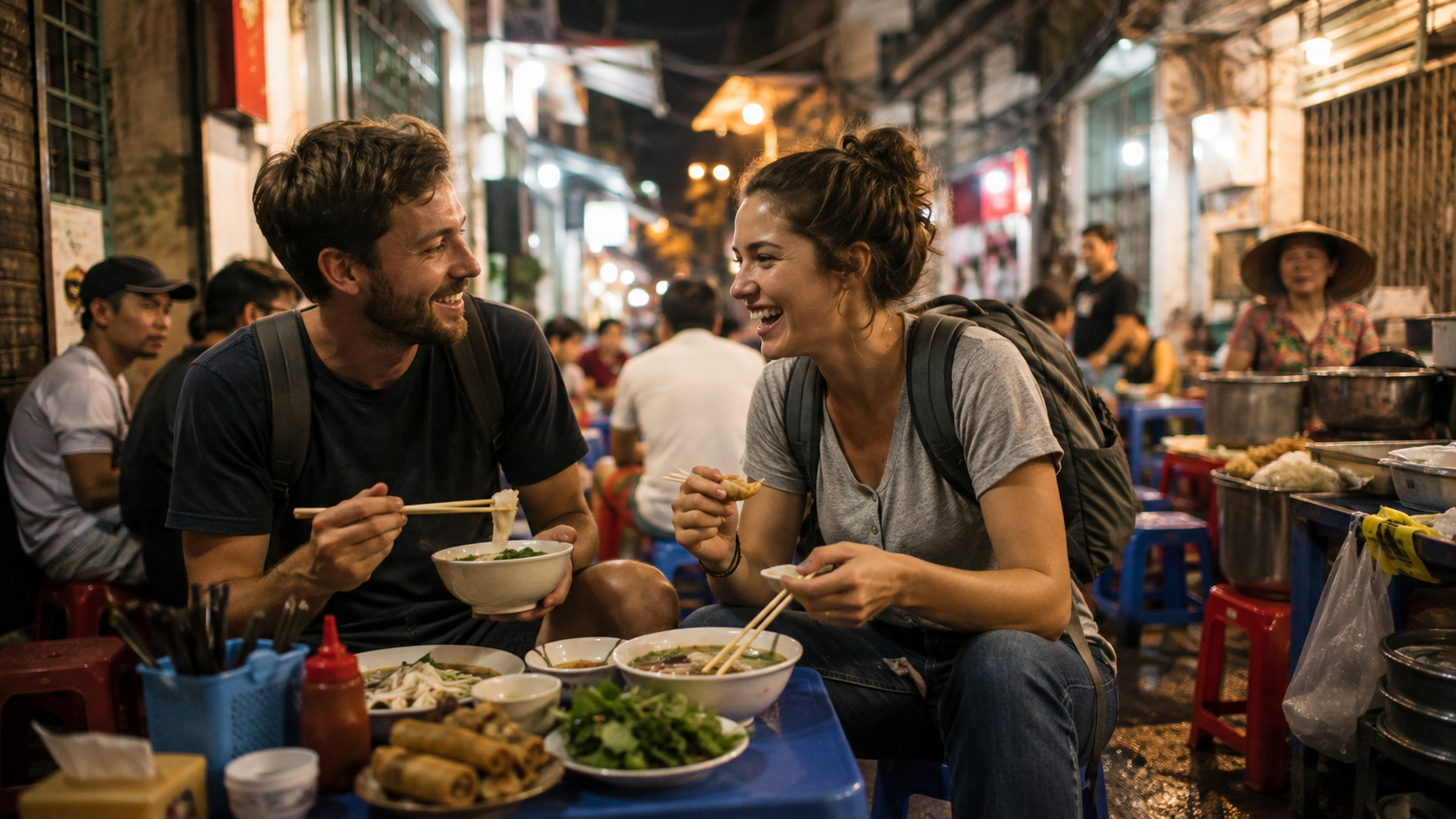
The fifth point is free time for food and personal discovery. Vietnam’s national tourism authority highlights street food, Old Quarter walks, cafe culture and the daily atmosphere around Hoan Kiem Lake among Hanoi’s characteristic experiences. These activities are often more rewarding when travellers have time to observe and choose instead of stopping for only a few minutes. When food is central to the trip, a detailed Hanoi food tour can help compare tasting-focused programmes with general sightseeing. Check dietary needs, allergy communication, meal style and whether the guide can explain ingredients, preparation methods and local dining customs clearly for international visitors.
Free time should be designed rather than leaving visitors unsupported in an unfamiliar area. One hour in the Old Quarter may be enough for coffee or light shopping, but not for several unrelated goals. Ask where the group will meet, how the guide can be contacted and what happens when someone returns late. A private programme may allow extra time at a favourite location and a shorter visit elsewhere. A shared tour must balance individual preference with the schedule of the whole group. Useful flexibility therefore has visible limits. It allows personal choice without delaying every participant or placing the guide in the position of repeatedly rebuilding the route during the day.
Compare Support, Booking Terms and Extended Trips
The sixth point is support before, during and after the tour. Before departure, receive the contact name, pickup time, meeting point, telephone number and clear identification instructions. When a hotel is located in an alley, pedestrian zone or street where vehicles cannot stop, the collection arrangement should be explained in advance. During the tour, the organiser needs a response for rain, site closure, illness or transport delay. After the activity, feedback and lost-property procedures should also be available. These details are less visually attractive than promotional photographs, but they determine reassurance, particularly for first-time visitors. Reliable support makes a minor disruption manageable instead of allowing it to affect the entire day.
Read booking conditions together with the experience description. Check the deposit, payment deadline, date-change rules, cancellation and refund treatment when weather is poor or the minimum group size is not reached. If the programme uses event tickets, performances or third-party services, identify which amounts are non-refundable. Do not rely on a telephone promise when the written terms say something different. A trustworthy organiser states limitations, confirms changes and does not guarantee matters beyond its control. Compare the price with duration, guide, transport, group size and support rather than selecting the cheapest option. This approach reveals whether a higher price reflects better operations or only more polished marketing.
Finally, decide whether the city tour should be combined with a separate excursion outside Hanoi. Ninh Binh, Ha Long Bay and craft villages can broaden understanding of northern landscapes and regional life, but they should not be compressed into the same day as an overcrowded city programme. Review day trips from Hanoi as a separate planning category, with attention to early departure, road time and physical fatigue. Prioritise the quality of each area over the number of destination names. When all six points are checked, guided tours in Hanoi can provide a clear narrative while preserving enough space for personal discoveries and slower observation.
Guided tours in Hanoi work best when the theme, route, guide, pace, personal time and support are designed as one connected system. These six points help travellers avoid overloaded schedules, unclear expenses and routes that do not match their interests. Before booking, request the timetable, maximum group size, inclusion list and change conditions in writing. You do not need to visit every landmark in one day to understand the city. A smaller number of places explained well, combined with walking, food and observation, usually creates stronger memories. Tradition Việt can support a private or small-group programme shaped around your available time, interests and preferred pace, while leaving enough flexibility for the city to feel discovered rather than merely completed.
Tradition Việt contact information
Hotline: (+84) 967 04 88 91 / (+84) 376 304 008
Email: info@traditionviet.com
Address: CT2A Hanoi Homeland, Hanoi, Vietnam