
A complete guide to Vietnam should do more than list famous destinations. It should help travellers connect important decisions into one workable journey. Vietnam has a long geographic shape, changing regional conditions and many choices for transport, accommodation and experiences. When each element is arranged separately, you may secure good individual services but still create an exhausting route or unnecessary costs. The 15 points in this guide cover purpose, timing, route design, duration, pace, budgeting, documents and everyday practical needs. When these elements support one another, the trip becomes easier to understand and manage while retaining enough flexibility for spontaneous discoveries. The objective is not to control every hour but to build a reliable framework for choices made before and during the journey.
Build the foundation of your journey through Vietnam
The first seven points create the foundation of the plan, covering purpose, timing, route, duration, pace, budget and documents. These decisions should be addressed before choosing individual hotels or purchasing several separate activities. When the route is unclear, an attractive fare may create an inconvenient connection. When the budget has not been divided into categories, smaller payments can quickly push the total beyond expectations. A useful foundation does not require every hour to be fixed, but it should show why you are travelling, where you want to spend time and which limits should not be exceeded. Later service choices must support this framework rather than forcing the entire journey to change around bookings made without a coherent plan.
Define your purpose and choose an appropriate period
The first point is to define the main purpose of the journey. A traveller interested in history and architecture will need a different route from someone who prioritises food, trekking, beaches or family time. Select one central purpose and add one or two supporting interests. This creates depth without making the journey repetitive. A culture-focused trip, for example, could combine historic cities with several slower days near the coast or in a rural area. Once the purpose is clear, destinations, accommodation, guides and activities can be assessed according to their actual value rather than their popularity. A strong purpose also makes it easier to remove attractive options that do not contribute meaningfully to this particular journey.
The second point is to select a period that suits the regions and activities in your plan. Conditions in northern, central and southern Vietnam do not follow one identical pattern, so there is no single best month for every route. Compare your available dates with the areas you hope to visit, then consider temperature, rainfall, peak periods and major public holidays. Plans involving trekking, cruises or beach stays need closer weather review because conditions directly affect these activities. Prepare alternatives for days dominated by outdoor visits. Choosing an appropriate period does not guarantee perfect weather every day, but it improves the likelihood that the route will support the experiences you value most and reduces avoidable changes after arrival.
Design the route, allocate days and control the pace
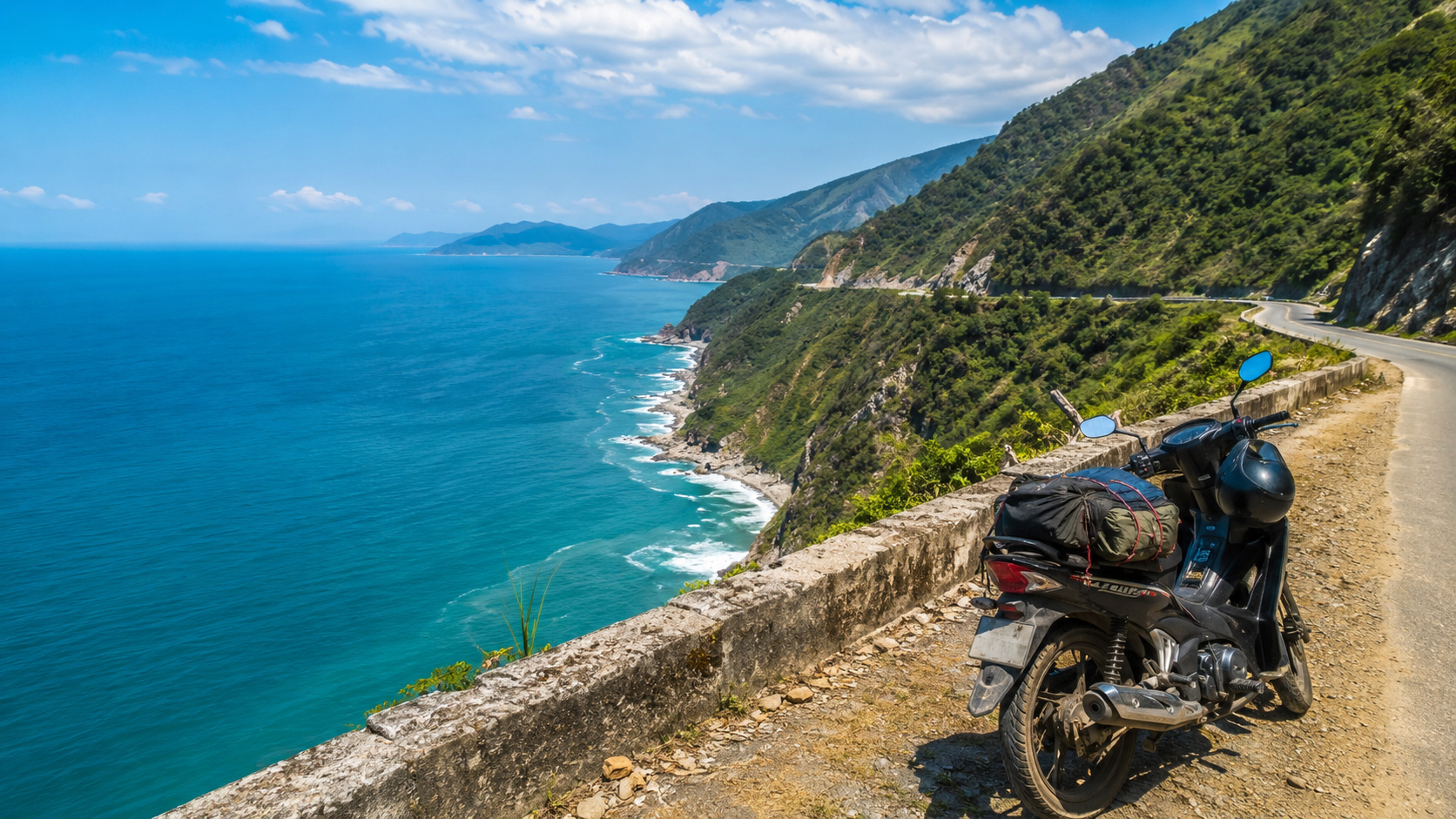
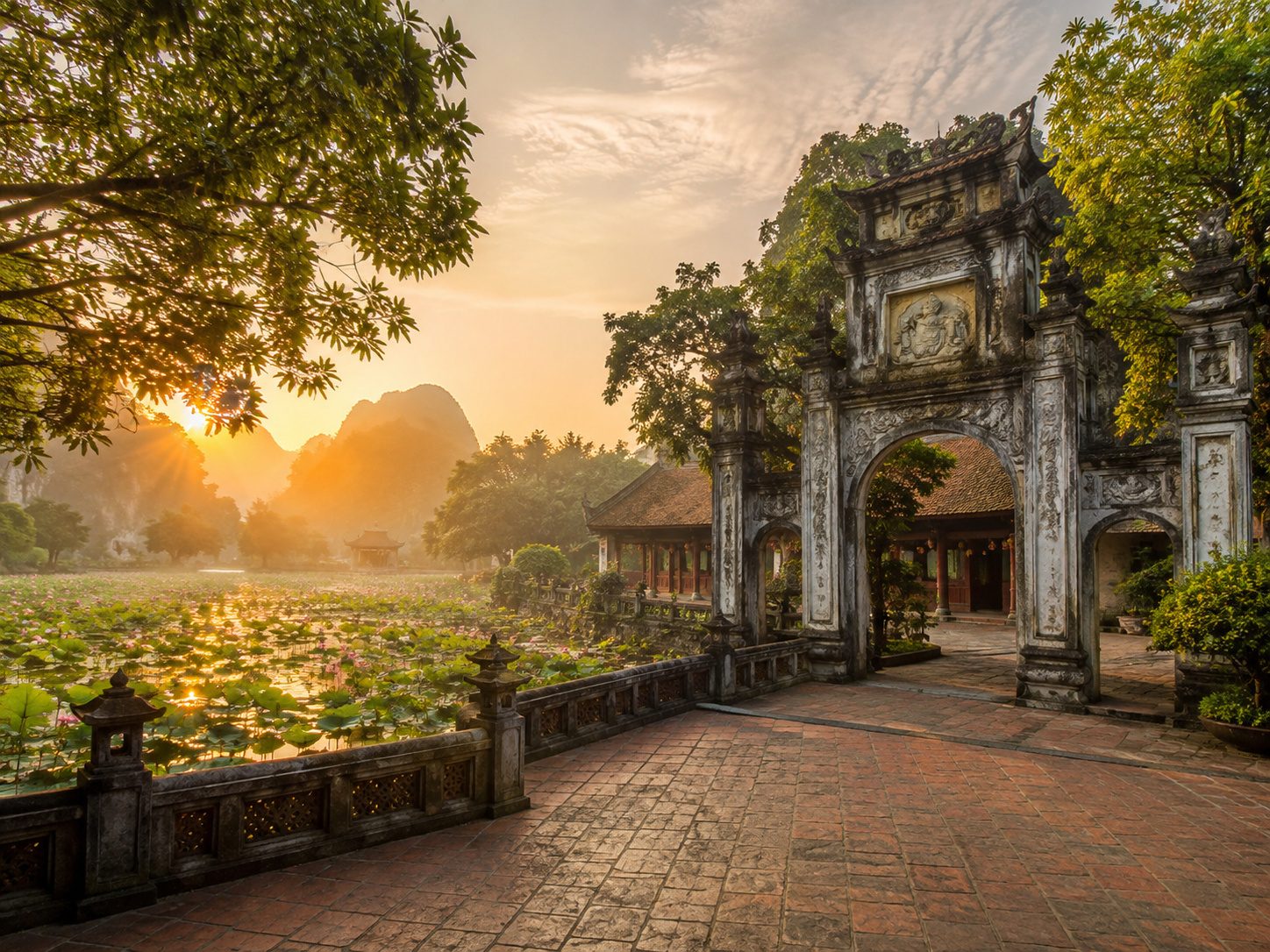
The third point is to create a continuous route instead of collecting famous destinations from a checklist. Vietnam extends a considerable distance from north to south, and moving between regions may require a flight, overnight train or many hours by road. For shorter trips, concentrating on one region is usually more efficient. A northern journey might connect Hanoi, Ninh Binh, Ha Long Bay and one mountain area. A central route could combine Hue, Da Nang and Hoi An. Travellers with more time can link two regions by domestic flight. A practical route limits backtracking, reduces hotel changes and leaves enough time to experience neighbourhoods, landscapes and local routines rather than simply arriving and departing.
The fourth point is to allocate days according to the value and access requirements of each destination. Do not divide time equally between every city because each place has a different rhythm. Major urban areas may need extra time for neighbourhoods, museums and food experiences. Mountain areas and islands require consideration of access time and weather. Arrival and departure days should not automatically be treated as full sightseeing days. When the itinerary includes an overnight connection or an early flight, schedule a lighter activity afterwards. Realistic allocation prevents the feeling of constantly chasing the programme and creates space for unexpected discoveries. It also helps the route remain workable when one transfer takes longer than expected.
The fifth point is to control the pace. A longer itinerary does not need activities from early morning until late evening every day. Alternate demanding transfers with lighter sightseeing days and keep several free periods for rest or adjustment. Families with young children, older travellers and first-time visitors to Asia often need more buffer time than experienced independent travellers. Include hotel check-in, baggage collection, meals and movement within cities when estimating each day. A balanced pace does not make the journey less complete. It allows each destination to remain distinct and reduces the risk that one delayed stage will disrupt everything scheduled afterwards. Breathing space is part of good planning rather than unused time.
Set a budget and check essential documents
The sixth point is to divide the budget into international flights, domestic transport, accommodation, meals, visits, guiding, shopping and contingency funds. This structure shows which areas deserve priority and which can be adjusted. The seventh point is to check your passport, entry requirements, insurance and supporting documents according to your nationality and intended stay. Confirm current requirements through official sources before purchasing non-refundable services. Names on tickets and applications must match the passport. Digital copies of documents, booking confirmations and insurance details should be stored somewhere accessible. Completing these tasks early provides time to correct errors and prevents administrative details from forcing last-minute changes to an otherwise well-designed route.
Turn your Vietnam plan into practical daily arrangements
The remaining eight points convert the framework into a journey that can operate smoothly. They cover transport, accommodation, food, health, connectivity, cultural behaviour, flexibility and support. These factors shape everyday experience but are often overlooked when travellers concentrate on sightseeing lists. A well-located hotel can save several hours of transport. Reliable connectivity makes ride booking and schedule changes easier. Appropriate cultural preparation supports more natural and respectful local encounters. When these practical details are organised, you have more time to experience the journey instead of repeatedly solving logistical problems. The aim is not to eliminate every decision but to prepare the elements that would otherwise create the greatest disruption, expense or uncertainty after arrival.
Arrange transport and accommodation around the route
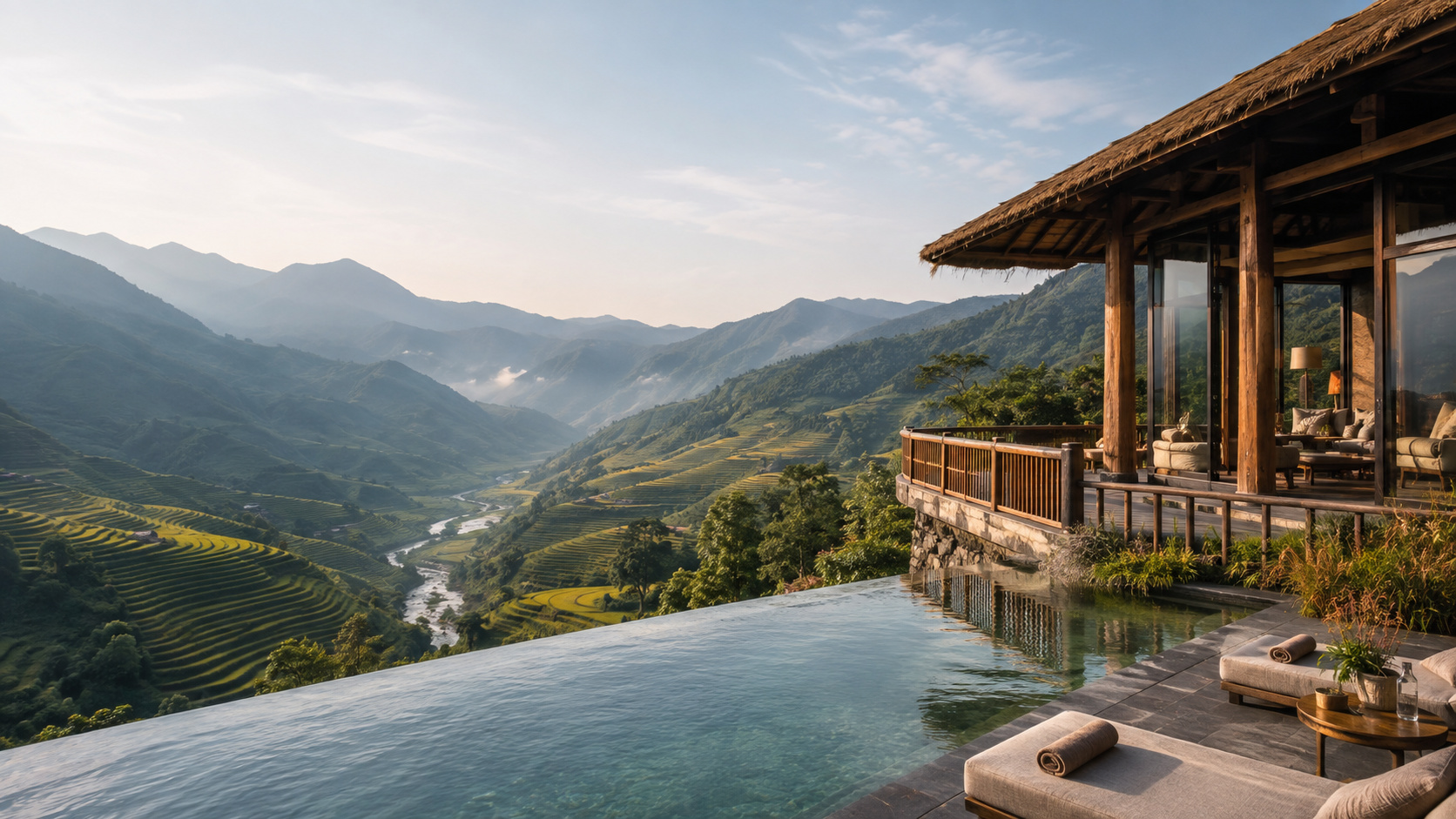
The eighth point is to select transport according to distance, time and the experience you want. Domestic flights are practical for long connections, while trains or road transport may suit shorter and medium routes when the schedule allows. The ninth point is to choose accommodation according to its actual location, room type, cancellation policy and accessibility instead of relying only on star ratings. A hotel near sightseeing areas or major transport points can significantly reduce daily travel time. Check arrival hours, transfer options and the distance to the following connection. International flights and essential long-distance links should normally be confirmed first, with accommodation arranged around the route so that separate bookings support one another rather than creating avoidable conflicts.
Prepare for food, health and reliable connectivity
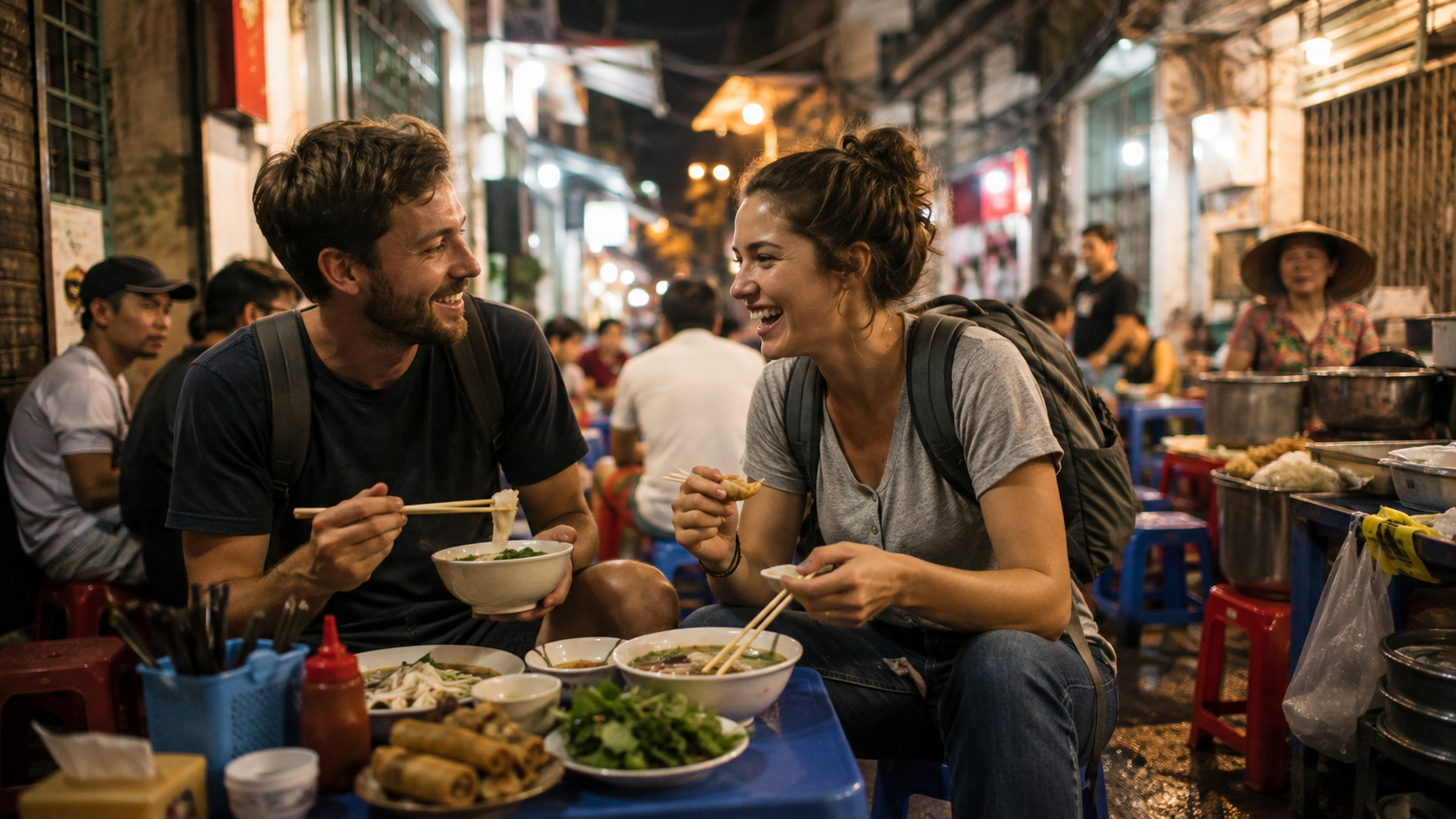
The tenth point is to approach Vietnamese food with openness and practical care. Regional cuisine varies considerably, allowing travellers to experience markets, family restaurants, street food and more formal dining. Prioritise places with good hygiene practices, visible turnover and food prepared under appropriate conditions. Travellers with allergies, vegetarian diets or religious requirements should save a clear Vietnamese explanation of ingredients that must be avoided. It is not necessary to plan every meal, but identify dependable options for late arrival days, long transfers and stays in locations with limited services. Leaving some meals open also creates room for spontaneous discoveries while avoiding uncertainty when time and energy are restricted.
The eleventh point is health preparation, and the twelfth is connectivity. Carry enough regular medication, keep it in original packaging and bring supporting documents when appropriate. Sun protection, insect repellent, a compact first-aid kit and suitable drinking water are useful for many outdoor activities. For connectivity, choose a SIM, eSIM or roaming package that matches your device and length of stay. Download offline maps, save hotel addresses in Vietnamese and carry a power bank. Important information should also be stored offline so that it remains available when the battery is low or the mobile network is unavailable. These small preparations support greater independence and make unexpected changes easier to manage.
Respect local culture, preserve flexibility and arrange support
The thirteenth point is to understand basic cultural behaviour. Modest clothing is appropriate when visiting temples, pagodas and formal spaces. Observe local instructions, request permission before photographing people and avoid disrupting religious ceremonies or community activities. Visits to craft villages, family homes and minority areas should be arranged with consent and create a meaningful benefit for local participants. A curious but respectful attitude often leads to more genuine conversations. Culture is not only something to observe. It also shapes how travellers enter shared spaces, interact with residents and respond to customs that may differ from their own expectations. Thoughtful behaviour contributes directly to the quality of the encounter.
The fourteenth point is to preserve flexibility. Separate services that must be secured early from activities that can be decided closer to the date. Flights, overnight trains, cruises and distinctive accommodation often require advance booking. Some meals, urban visits and outdoor activities can remain open depending on weather and energy. Avoid building a programme that depends on every stage operating at the exact planned minute. A free half-day, contingency fund and reasonable cancellation terms allow changes without destroying the route. Prepared flexibility is different from travelling without a plan. It means deciding in advance where adjustment is possible and protecting the parts that would be difficult or expensive to replace.
The fifteenth point is to establish a support system. Store contact details for accommodation, transport providers, insurance, tour organisers and emergency assistance in an accessible place. When using a guide or local company, know who provides after-hours support and what procedure applies to delayed flights, missing luggage or weather changes. Families should agree on a meeting point and communication method if members become separated. Sharing the itinerary with someone at home is also useful. A clear support structure does not make the trip feel stressful. It allows you to respond calmly when an unexpected situation occurs and clarifies which person or organisation is responsible for helping with each type of problem.
A complete guide to Vietnam is useful only when it supports decisions that reflect your own travel needs. These 15 points are not intended to create one identical itinerary for every visitor. They provide a framework for connecting the season, route, budget, services and experiences into a coherent journey. Before departure, review the plan from beginning to end and confirm that each stage includes enough time, contingency funding and an alternative when necessary. Small adjustments made before the trip can remove considerable pressure after arrival. Tradition Việt can help build a balanced itinerary around your available days, budget, preferred season and travel style, whether you need a fully guided journey or selected local support.
Tradition Việt contact information
Hotline: (+84) 967 04 88 91 / (+84) 376 304 008
Email: info@traditionviet.com
Address: CT2A Hanoi Homeland, Hanoi, Vietnam