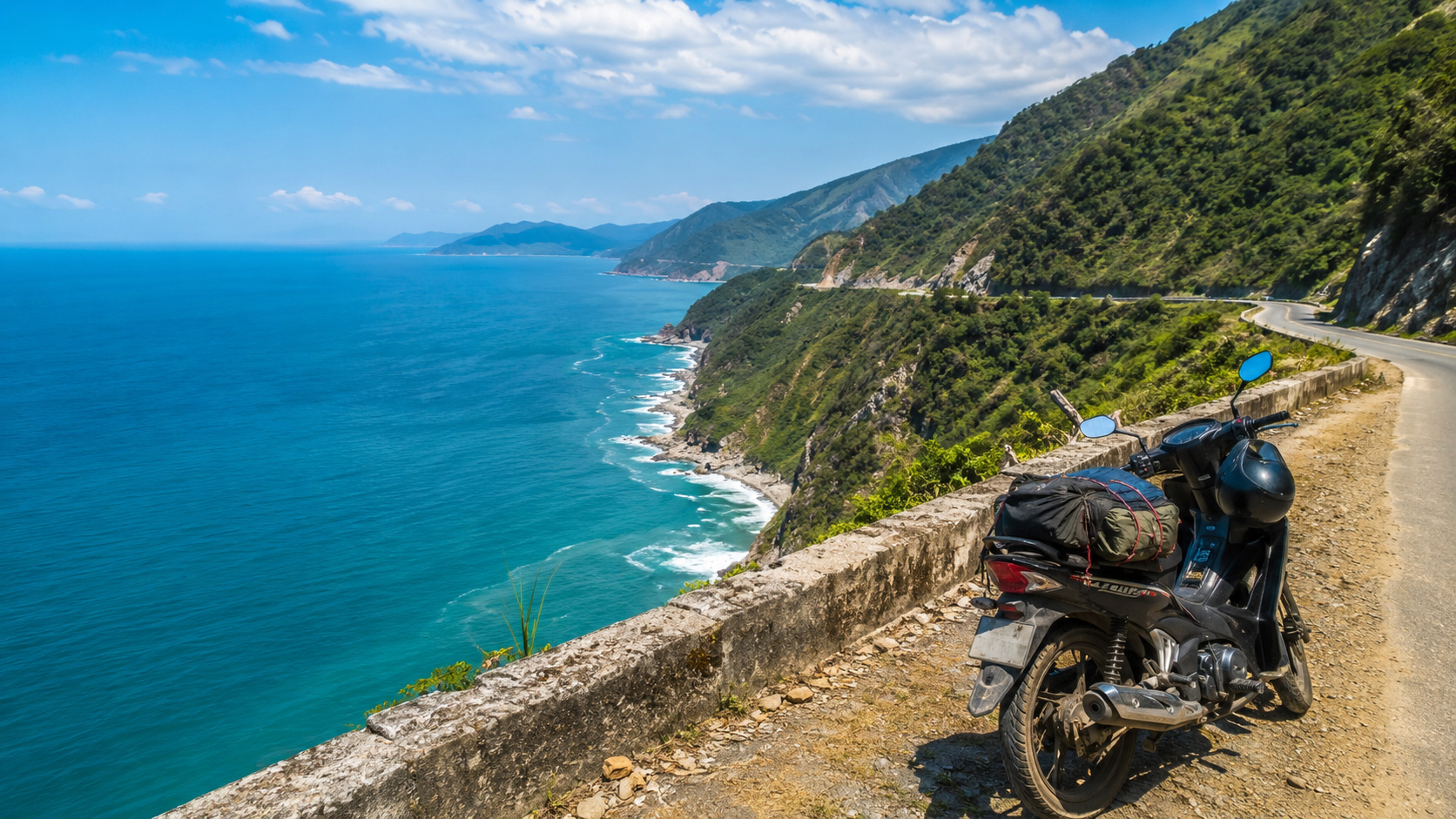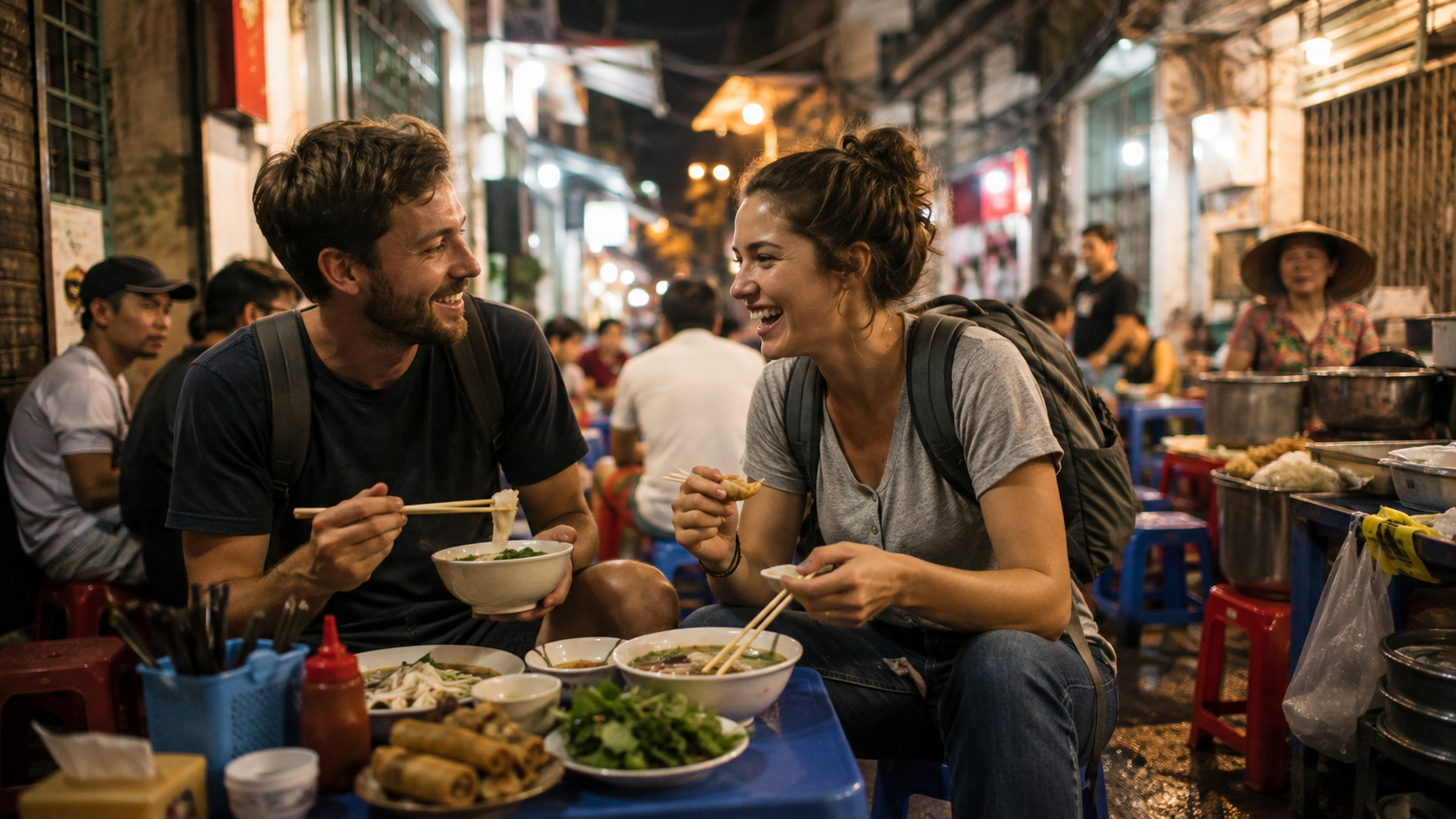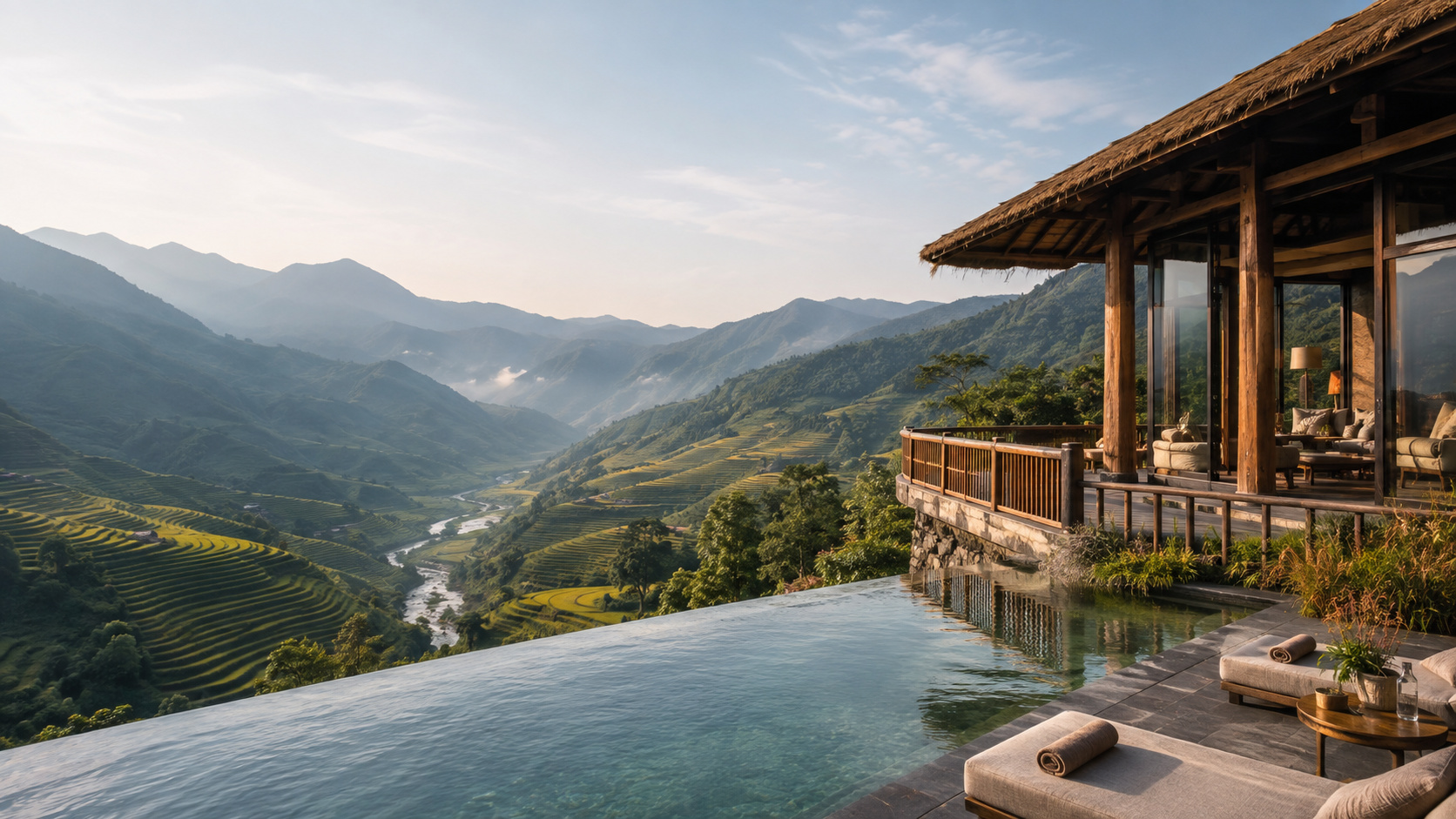


Guided tours in Vietnam can save time, deepen your understanding of destinations and simplify demanding transfers. However, not every programme suits every traveller. A well-designed journey should balance the support of a guide with enough personal space to enjoy places at your own pace. Before booking, review 14 points covering your travel purpose, group size, season, route, guide quality, included services, daily rhythm and support when plans change. When these elements are clear, the tour becomes a framework for a smoother trip rather than a rigid schedule that limits the experience. The objective is not to remove every surprise, but to make sure the important decisions are settled before departure so you can focus on the people, landscapes and cultural details encountered along the way.
Assess the guided tours in Vietnam framework before booking
A guided tour should first be assessed through its overall structure, before individual hotels or meals are considered. The first six points help determine whether the programme genuinely matches your needs. They cover the purpose of the journey, traveller profile, departure period, geographic scope, guiding standards and the clarity of the itinerary. This is the stage for careful reading rather than simple price comparison. Two tours with the same number of days can differ greatly in transfer time, depth of experience and the number of activities that actually include a guide. When the main framework is suitable from the beginning, later choices become easier to control and costly adjustments before departure are less likely.
Define your purpose, travel companions and group size
The first point is to define the main purpose of the journey. A traveller interested in history and culture will need more time at monuments, museums and historic neighbourhoods than someone who prioritises scenery, food or relaxation. Read the tour description to see whether its central experiences match what you genuinely want. Phrases such as “local discovery”, “in-depth experience” or “carefully selected journey” should be checked against the actual activities. A programme with many stops does not necessarily offer more value when most visits allow only a quick photograph. A clear purpose helps you remove tours that look attractive in presentation but do not support your real expectations or preferred way of travelling.
The second and third points concern your travel companions and the size of the group. Families with young children, older travellers, couples, friends and solo visitors may need different pacing, meals, transport and levels of assistance. Check the maximum group size, the likely traveller profile and whether adjustments are possible when one person needs rest. Small groups usually make communication with the guide easier and can move more efficiently through busy sites. Larger groups may offer a lower price, but gathering, boarding vehicles and checking into hotels often take longer. Travellers who value privacy should consider a private tour or a shared programme with a clearly limited group size instead of choosing only according to the lowest initial price.
Select the right period and a realistic geographic scope
The fourth and fifth points are the departure period and the geographic scope of the route. Vietnam has significant regional differences, so a good tour should reflect the season, weather and realistic travel time. Check whether the programme concentrates on one region or connects several areas by air, rail or road. An eight-day journey through too many cities may become dominated by transfers. A more focused route often leaves time for markets, local meals and ordinary neighbourhood life. Also review public holidays, peak periods and conditions in mountain or coastal areas. A suitable departure window reduces activity changes and lowers the risk of spending an excessive share of the trip inside vehicles rather than engaging with the destinations.
Check the guide, daily itinerary and included services
The sixth point is guide quality. A guide does more than provide information. They connect services, explain cultural context and help the group respond when arrangements change. Confirm the working language, the sections that include continuous guiding and any transfers handled only by a driver or local representative. On multi-region tours, one guide travelling with the group can provide continuity, while local guides may offer deeper knowledge at individual destinations. Both models can work well when they are explained clearly. Give preference to organisers that describe their guide selection standards, relevant experience and replacement procedure when an unexpected issue prevents the assigned guide from working.
The seventh point is the practicality of each day. Do not assess the route only by its list of place names. Review departure times, transfer duration, hotel changes and the intervals between activities. An early start may be useful for avoiding crowds, but several consecutive departures before sunrise can quickly make the journey exhausting. Pay particular attention to long road sections immediately after an international flight or on the day before departure. A well-paced tour usually alternates key visits with free time and recovery. When exact times are not yet available, the organiser should provide approximate ranges so you can judge whether the day is realistic and whether the overall guided tours in Vietnam experience will feel manageable.
The eighth point is transparency about what is included and excluded. The tour price should be read together with the hotel category, room type, number of meals, entrance tickets, transport, domestic flights, guiding fees and possible supplements. A low advertised price may become much higher when essential services must be paid separately. Check single-room charges, peak-season supplements, drinks, gratuities and optional activities. When a programme uses broad labels such as “standard hotel” or “local meal”, ask for representative examples. A clear inclusion table allows two guided tours in Vietnam to be compared on the same basis and reduces disagreement during the journey about services that one party assumed were already covered.
Review how guided tours in Vietnam operate during the journey
Once the tour framework has been confirmed, the remaining eight points focus on how the journey is operated. This is what determines whether the trip genuinely feels smooth or still requires travellers to solve too many details themselves. Review the pace, flexibility, accommodation, meals, approach to local communities, safety support, communication and the final comparison process before signing. A well-run tour does more than deliver guests to the correct sites. It reduces waiting time, explains changes before they become disruptive and protects room for individual enjoyment. These details should appear in the itinerary, booking conditions or written confirmations. Relying on general promises makes it difficult to understand what assistance will actually be available once the journey has started.
Review the pace, flexibility and quality of daily services
The ninth point is the pace of the journey. A dense schedule may suit travellers who want to maximise every day, but it is not appropriate for everyone. Check how long each stop lasts, how many free periods are included and how often the group must wake early. A smooth tour allows travellers to understand the places they visit rather than moving constantly to complete a list. When several activities appear in one day, ask which are essential and which can be skipped. The option to rest for half a day without disrupting the entire group is particularly important for families, older guests and travellers who may need time to recover after a long international flight.
The tenth point is flexibility when weather, traffic or traveller needs require a change. No tour can guarantee that every activity will operate exactly as planned, but the organiser should have a clear response process. Ask what alternatives are available when a cruise, flight or outdoor visit is affected. Private tours are usually more adaptable, although opening hours, purchased tickets and supplier conditions still create limits. Shared tours must balance the preferences of the whole group. A reliable organiser explains which parts of the programme can be adjusted and which must remain fixed. This is more useful than a broad promise that every request will be accepted regardless of operational realities.
The eleventh point concerns hotels and meals. Accommodation names or standards should be provided early enough for you to review location, room type, lift access and transfer time to central areas. For meals, check how many are included and whether vegetarian food, allergies or religious requirements can be managed. A good tour does not have to include every meal because independent dining can enrich the journey. What matters is that group meals are consistent in quality and do not repeat the same dishes excessively. In remote areas, choices may be limited, but the organiser should explain this in advance. Clear expectations prevent small practical issues from becoming repeated frustrations during the trip.
Evaluate local responsibility, safety and communication
The twelfth point is how the tour approaches local communities and culturally sensitive activities. Visits to craft villages, family homes or ethnic minority areas should be arranged with respect, consent and a clear benefit for local participants. Avoid programmes that turn daily community life into a brief performance created mainly for photographs. A responsible guide explains appropriate behaviour, when permission should be requested before taking pictures and the cultural background of local customs. You can also ask how the organiser works with local suppliers and hosts. A thoughtful approach often produces more natural encounters and helps tourism spending reach the people whose knowledge, work and hospitality make the experience possible.
The thirteenth point is the safety and communication system. Before departure, know the support telephone number, who is responsible outside normal hours and what procedure applies if luggage is lost, illness occurs or a connection is missed. The guide should have access to insurance details, emergency contacts and any important medical needs that you choose to disclose. For trekking, boating or cycling, check equipment, supplier standards and the alternative plan for poor weather. Store contact details on your phone and in an offline format. This preparation does not make the journey feel anxious. It provides reassurance and allows you to participate in unfamiliar activities with a clearer understanding of where assistance will come from.
Compare complete tours before paying a deposit
The fourteenth point is to compare complete programmes through the same checklist before paying a deposit. Place the options side by side according to route, group size, guide quality, hotel level, meals, transport, included experiences, flexibility, cancellation terms and emergency support. Do not select a tour only because it lists more destinations or displays a lower opening price. Real value depends on whether the programme suits your pace, interests and required level of assistance. After choosing, request written confirmation of the main services and keep the final itinerary version. A systematic comparison reduces misunderstandings and gives both the traveller and the organiser a clear reference for the journey that has actually been agreed.
Choose suitable guided tours in Vietnam with Tradition Việt
Guided tours in Vietnam are most useful when they are selected according to real travel needs rather than broad promotional language. These 14 points help you examine the journey from its purpose and route to daily operations, flexibility and support when circumstances change. Before paying a deposit, read the itinerary as a connected sequence and check whether every day includes enough time for visits, rest and transfers. A suitable tour does not need to take you everywhere. It should help you understand the places that have been chosen and make the journey easier to experience. Tradition Việt can support private tours or guided programmes shaped around your available time, budget, preferred pace and interests.
Tradition Việt contact information
Hotline: (+84) 967 04 88 91 / (+84) 376 304 008
Email: info@traditionviet.com
Address: CT2A Hanoi Homeland, Hanoi, Vietnam