
Vietnam local experiences can feel gentle and simple, but they should not be approached casually. A morning market, a family meal, a craft village, a village road or a conversation with local people all require thoughtful preparation. This preparation is not meant to make the journey rigid. It helps travelers approach local life respectfully, choose the right timing and understand what they are seeing.
For international travelers, many details of Vietnamese daily life may feel both familiar and new. The way people shop at markets, use herbs in meals, welcome guests into a home, speak in small local shops or keep a craft alive across generations all carry their own context. With the right background and local guidance, local experiences become more than “something to see”. They become a way to understand Vietnam through people, food, work and daily rhythms.
Prepare your approach before entering local life
Choose experiences by travel style, not because they sound unusual
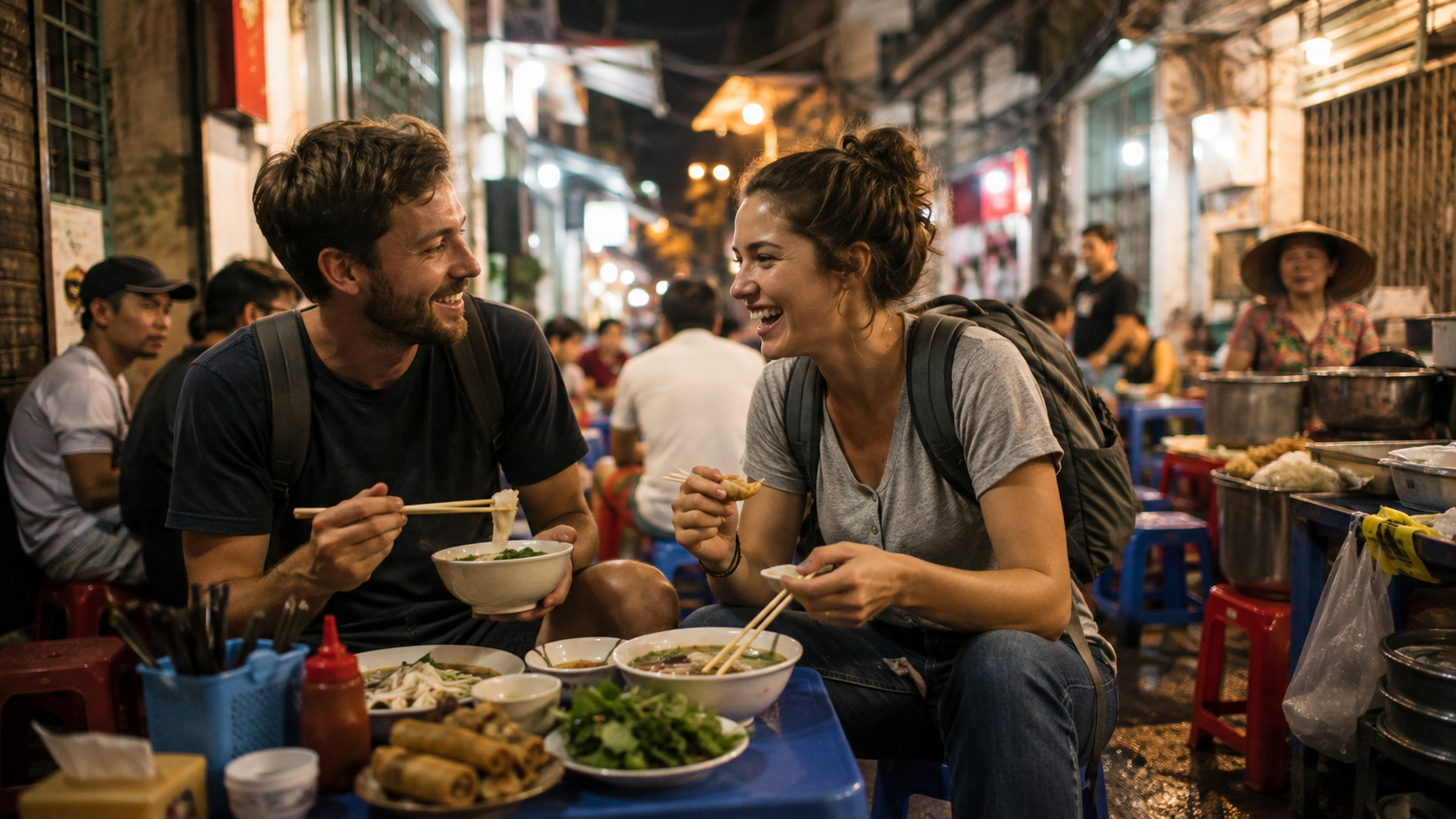
Not every experience that sounds special is right for every traveler. Some travelers love food and want to spend more time in markets, family kitchens, small eateries or areas known for ingredients. Some focus on culture and prefer craft villages, old houses, small temples or community spaces. Others love photography and need light, viewpoints and time to stop. If activities are chosen only because their names sound attractive, the itinerary can become disconnected from what travelers really want to feel.
Before the trip, it is helpful to define what you want to understand about Vietnam. If you want to understand Vietnamese meals, prioritize markets, ingredients, cooking and family dining. If you want to understand traditional work, choose places where people still practice the craft, not only display products for visitors. If you want to move slowly and observe, choose fewer stops with more time at each one. A smaller itinerary that fits your style often feels deeper than a crowded day with little connection.
It is also important to recognize the difference between genuine experiences and overly staged ones. Some places are convenient for visitors but may lack the feeling of real daily life. On the other hand, a small market or local family may look less polished but feel more honest. The key is balance: enough comfort for travelers to enjoy the day, and enough natural quality for the experience to keep its local character.
Go at the right time to see daily life in motion
Timing strongly affects the quality of local experiences. Markets are often liveliest in the morning, when people buy food for the day. Craft villages may be active at certain hours. A family meal needs to be arranged at the right time so it does not disturb the host’s routine. If travelers arrive at the wrong time, they may find an empty space or meet people when they are too busy to talk.
Prepare a respectful mindset for photos, questions and observation
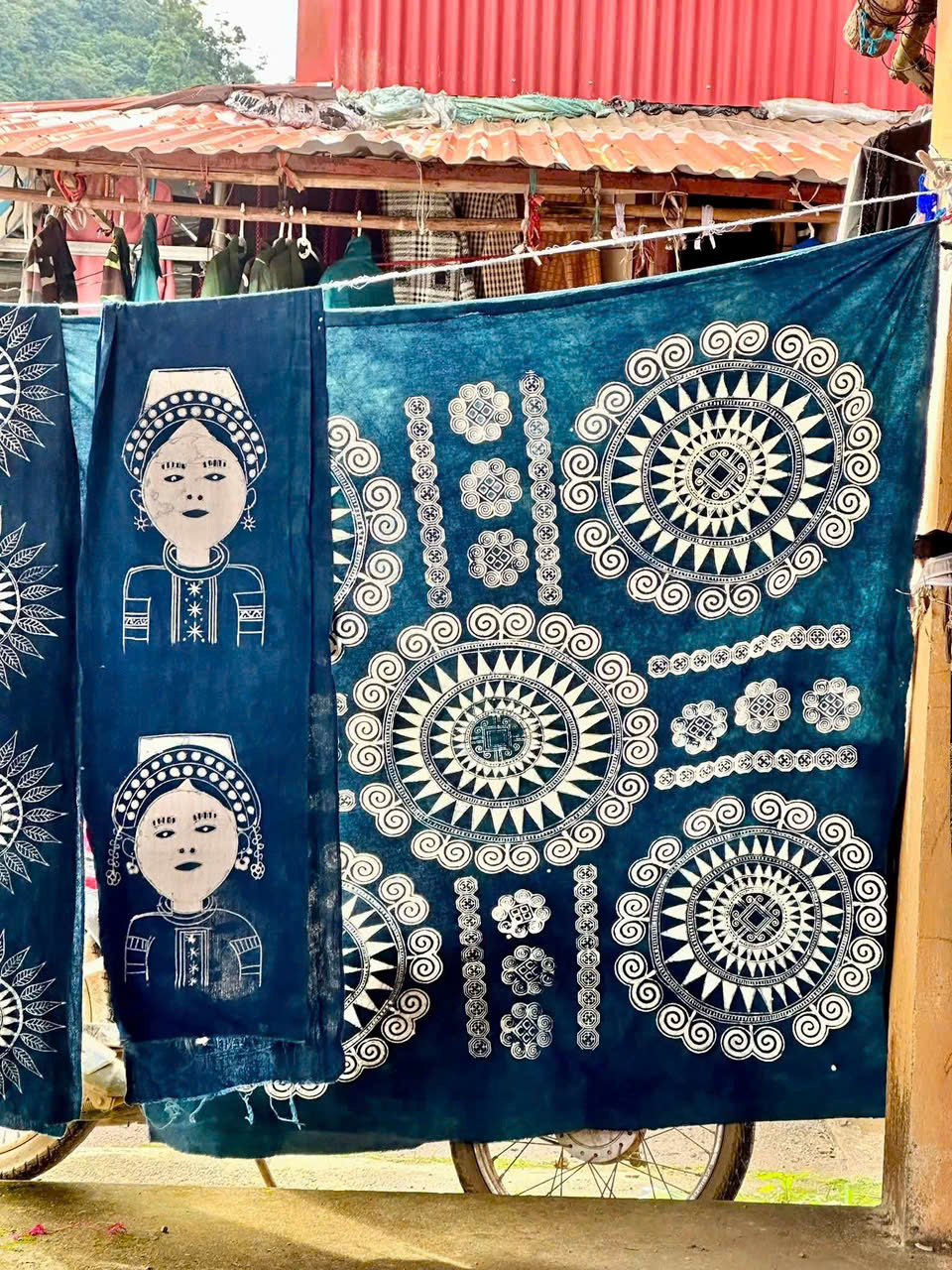
Local experiences should not be approached as a stage. When photographing people, especially in markets, private homes, craft villages or family spaces, travelers should ask first. A smile, a gentle gesture or help from the guide makes the moment more natural. It is better to avoid pointing the camera too closely, taking too many photos or making local people feel watched as part of a performance.
Questions should also be asked gently. Not everyone has time or the wish to share a lot. A seller may be busy, an artisan may need to focus, and a family may only want to receive guests for a reasonable amount of time. Respect means knowing when to stop, avoiding questions that are too private and not expecting local people to answer every curiosity.
Prepare the itinerary, local support and travel pace
Do not pack too many experiences into one day
A day of local experiences needs breathing room. If the morning begins with a market, then moves to a craft village, continues with a family meal and adds several more stops, travelers may become overloaded. Local experiences need time to settle: time to hear a story, taste a dish, observe an artisan, walk slowly through a lane or sit quietly in a small shop. If the schedule is too full, each activity becomes only something to tick off.
It is better to choose one clear flow. A morning may begin at a market and continue into a family cooking experience or local lunch. Another day may focus on a craft village, old house and community story. When the stops are connected, travelers understand more easily and the day feels less fragmented. The itinerary does not need many activities, but it needs logic.
Travel with someone who understands the local context
The right guide makes the journey much easier to understand. They know which markets still serve local residents, which craft villages still produce actively, which families can receive guests comfortably, which dishes to try and what should be avoided. These details are difficult to gather from general online suggestions. With local experiences, the right connector can be more important than the destination itself.
Keep the itinerary flexible so natural moments can appear
The beauty of local experiences lies in their living quality, and living moments cannot be forced completely into a plan. A market may be busier because it is the right market day. A dish may change because ingredients follow the season. An artisan may be working on a more interesting step than expected. Light rain may make the group sit longer in a small tea shop and hear a few more stories. If the itinerary is too rigid, these moments can be missed.
Flexibility does not mean poor organization. On the contrary, the organizer needs enough preparation to make small changes without damaging the day. If one place is too crowded, another can be chosen. If the weather is too hot, the walking section can be shortened. If travelers enjoy one activity more than expected, a later stop can be reduced. This softness helps the experience fit the people who are actually traveling.
Travelers should also understand that genuine local experiences are not always “beautiful” in the polished travel sense. Markets may be noisy, village roads may be muddy after rain, local homes may be simple, and meals may taste different from what travelers know. These qualities are part of what makes the experience real. With an open mindset, travelers may find that beauty does not always come from perfection, but from the natural way life unfolds.
In the end, Vietnam local experiences should be treated as a meaningful part of the trip, not as extra activities used to fill an itinerary. When the right place, timing, guide and pace come together, travelers can feel Vietnam through very close details: a meal, a market, an old craft, a family story or an ordinary moment along the road.
Plan a better-value Vietnam journey with local support
Send us your expected travel dates, number of travelers and main wishes to receive itinerary advice and a suitable quote from Tradition Việt.
📞 Hotline: (+84)967 04 88 91 / (+84)376 304 008.
📧 Email: info@traditionviet.com.
Address: CT2A, Hanoi Homeland, Thuong Thanh Ward, Long Bien District, Hanoi.