
A Motorbike Tour Vietnam experience is not only about reaching destinations. It is about remembering the road itself. Travelers pass through mountains, plains, villages and coastal routes, but they also feel the heat of midday, the smell of wet earth after rain, the sound of morning markets, the wind on open roads and the quiet stops at small roadside cafés. A motorbike brings travelers closer to daily life, without the separation of a car window and without being removed from the sounds and movement of the place they are exploring.
For this experience to be beautiful and safe, the trip needs thoughtful design. Vietnam has many rewarding routes, from the northern mountains to Central Vietnam, from the highlands to roads near the sea. Each region has its own weather, road conditions, level of difficulty and local rhythm. The best journey is not the longest one or the one with the most stops. It is the one that matches the traveler’s ability, the season, the right pace and enough time to rest. When prepared carefully, traveling by motorbike becomes one of the most genuine ways to understand Vietnam.
How a motorbike journey helps you feel Vietnam more clearly
A motorbike brings travelers closer to everyday life
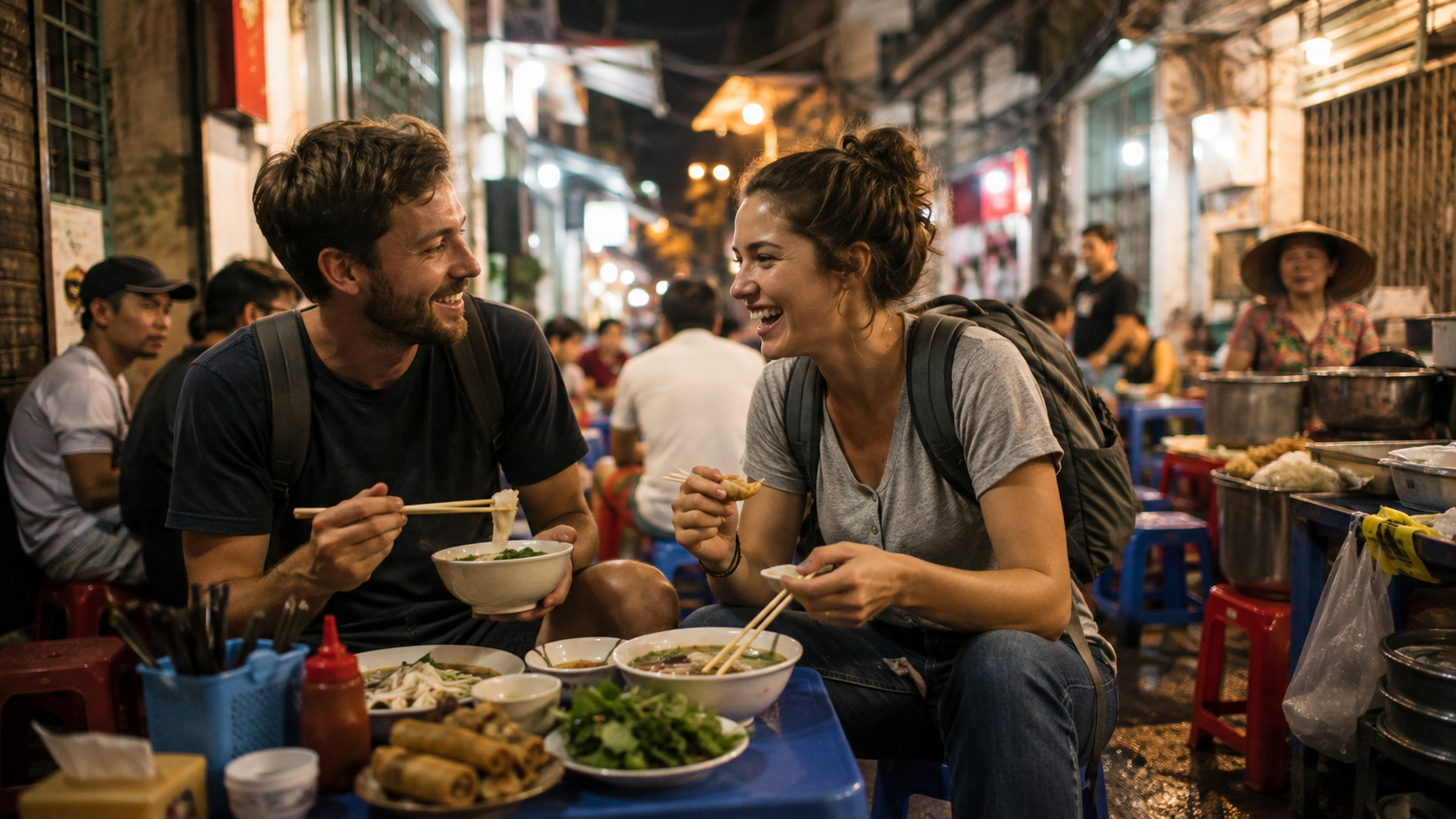
Traveling by motorbike shortens the distance between travelers and local life. A village road may reveal people drying rice, children cycling to school, breakfast stalls lighting their stoves or a small market slowly filling with people. These moments do not need to be staged. They appear naturally when the journey is slow enough to notice them and flexible enough to stop.
The experience depends on the right pace and the right stops
A good motorbike journey should not become a race through as many kilometers as possible. If you move too fast, you may only remember fatigue, dust and engine noise. If you ride at the right pace, the road begins to tell a story. A water stop can become a moment to learn about the farming season. Lunch at a family-run place can reveal the taste of a region. A short rest under a tree can become a quiet chance to watch daily life pass by.
The right pace also makes the trip safer. Roads in Vietnam can change quickly: a smooth surface may turn into a smaller lane, a bend may bring an oncoming truck, and a sunny sky can become heavy rain within minutes. When the itinerary is not too tight, travelers can slow down, change a stop or shorten a section if needed. This flexibility keeps the journey comfortable while preserving the spirit of discovery.
Each region offers a different road atmosphere
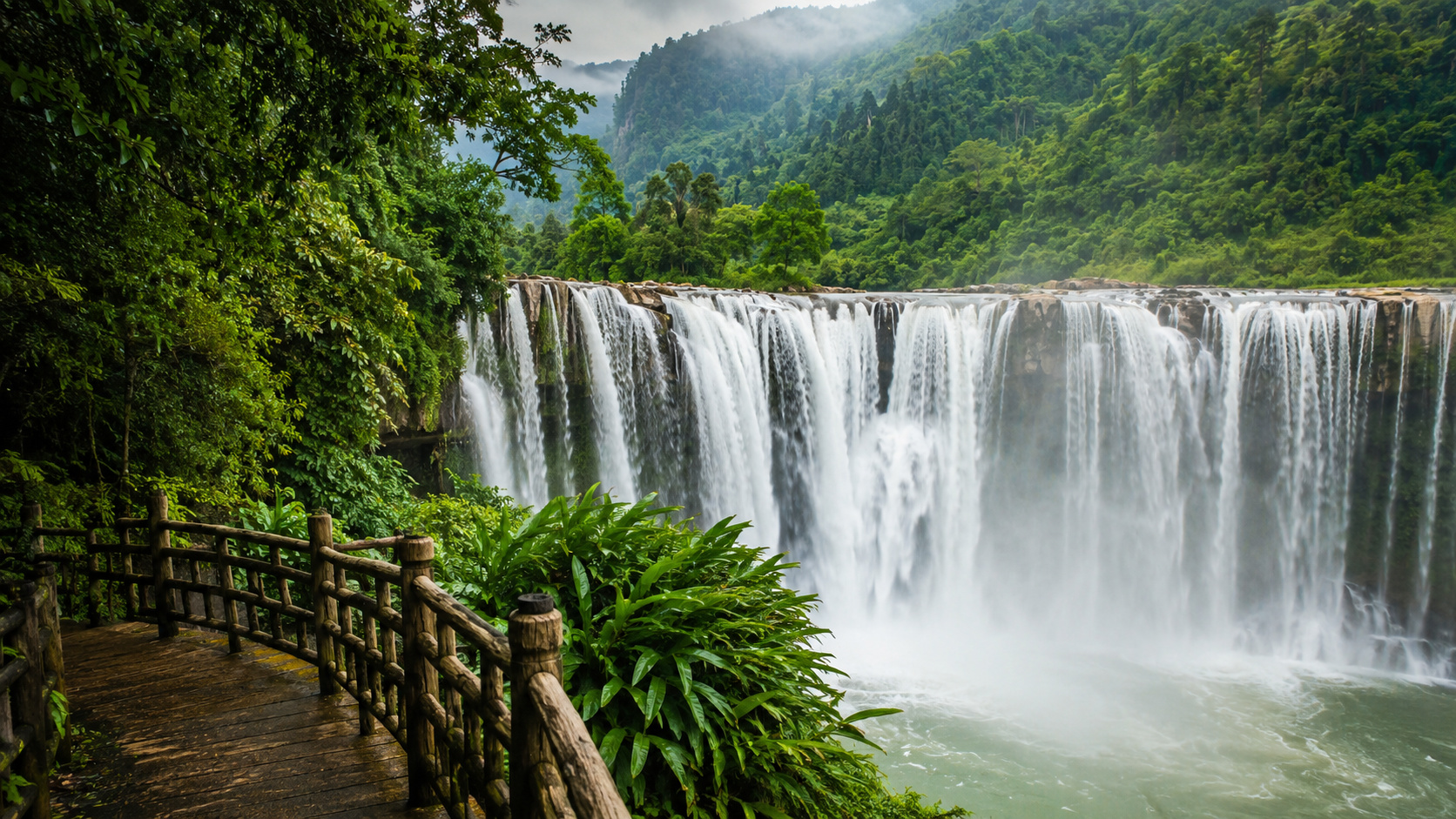
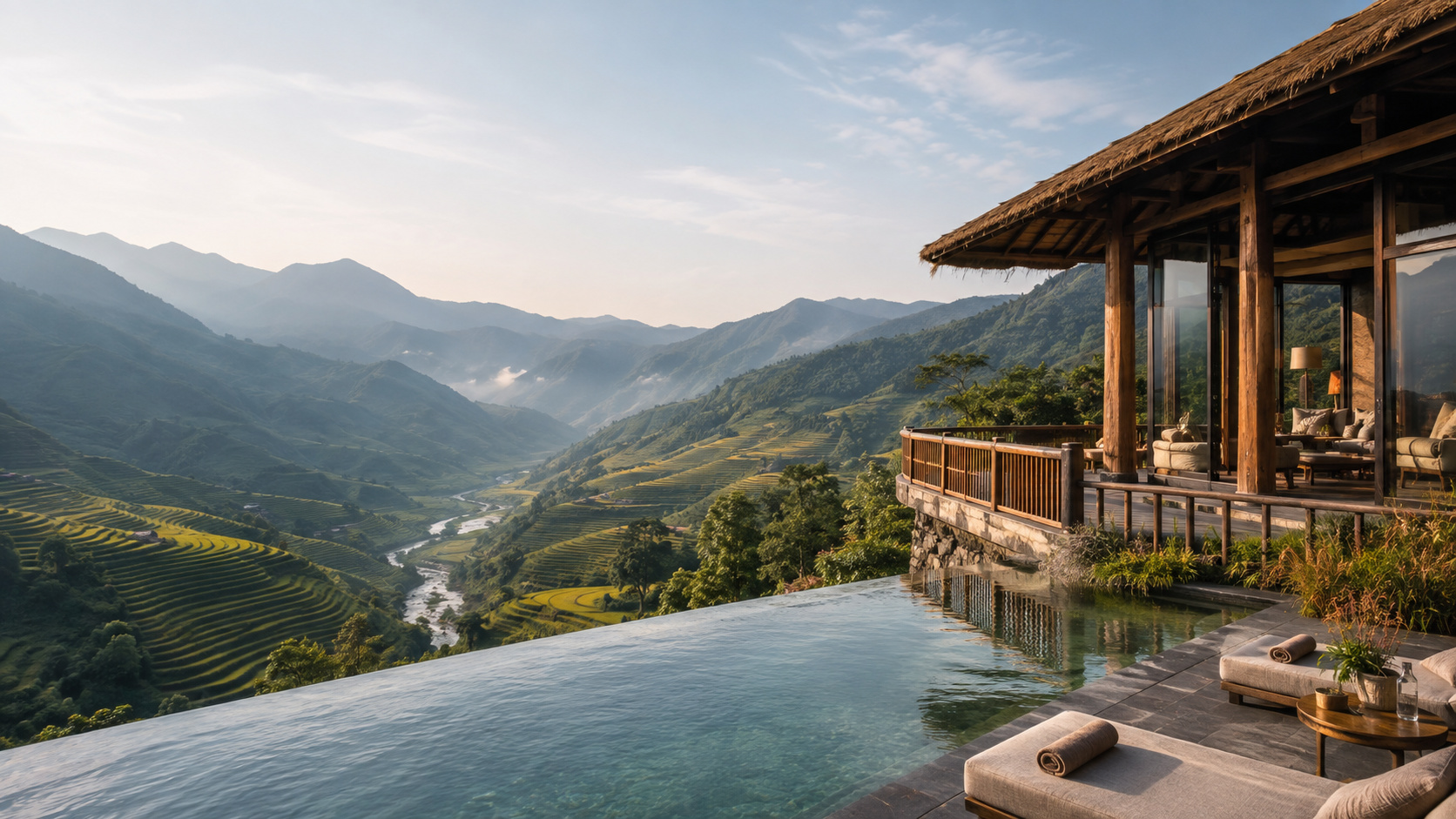
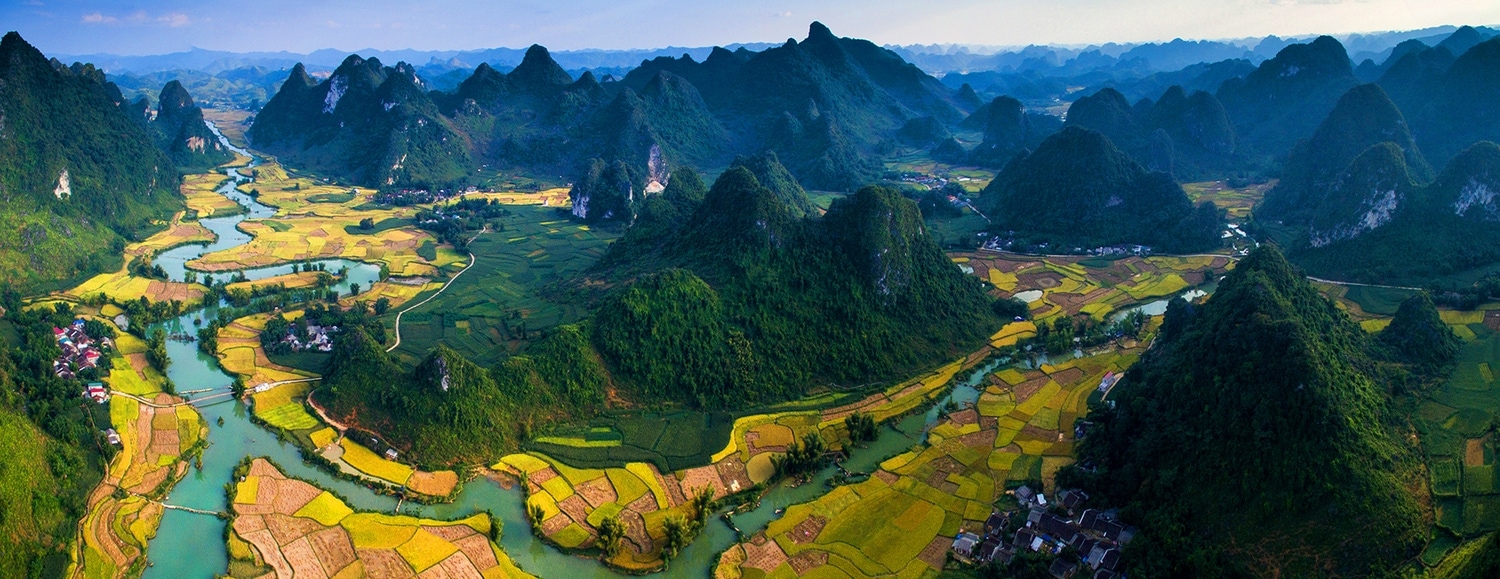
In Northern Vietnam, motorbike journeys often involve passes, valleys, terraced fields, villages and misty mornings. The landscapes are powerful, wide and layered, but the roads can require more concentration. Travelers need to be ready for bends, slopes, weather changes and longer hours on the bike. This type of route suits those who love nature, long distances and a slightly more challenging rhythm.
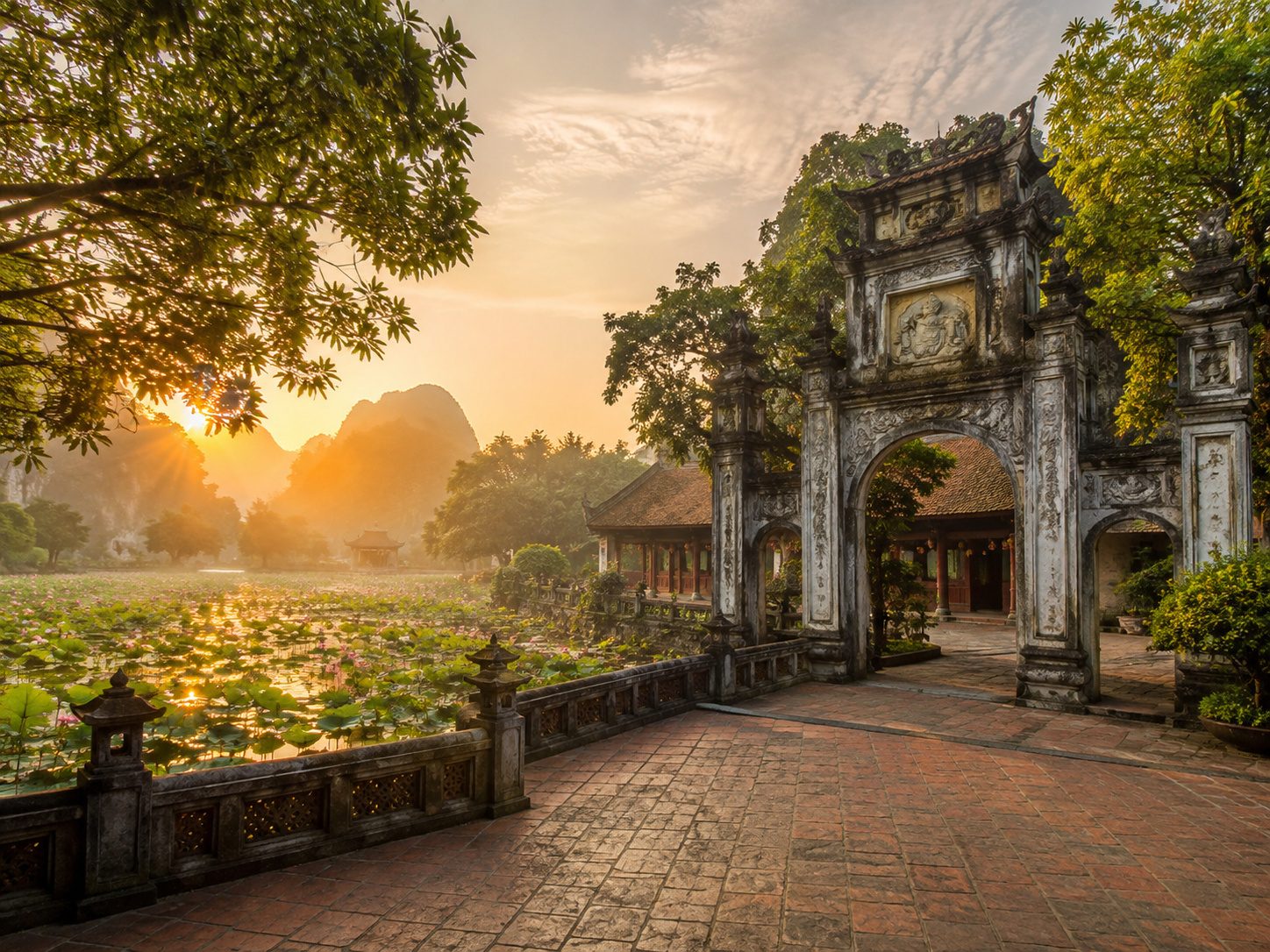
In Central Vietnam, a motorbike trip can feel softer but still rich in experience. Routes around Hue, Hoi An, riverside villages, lagoons, coastal roads or craft areas allow travelers to move slowly, stop often and connect with local culture. The journey does not need to be long. A well-designed one-day route can pass through several layers of scenery: old streets, rice fields, local food, waterways and quiet village roads.
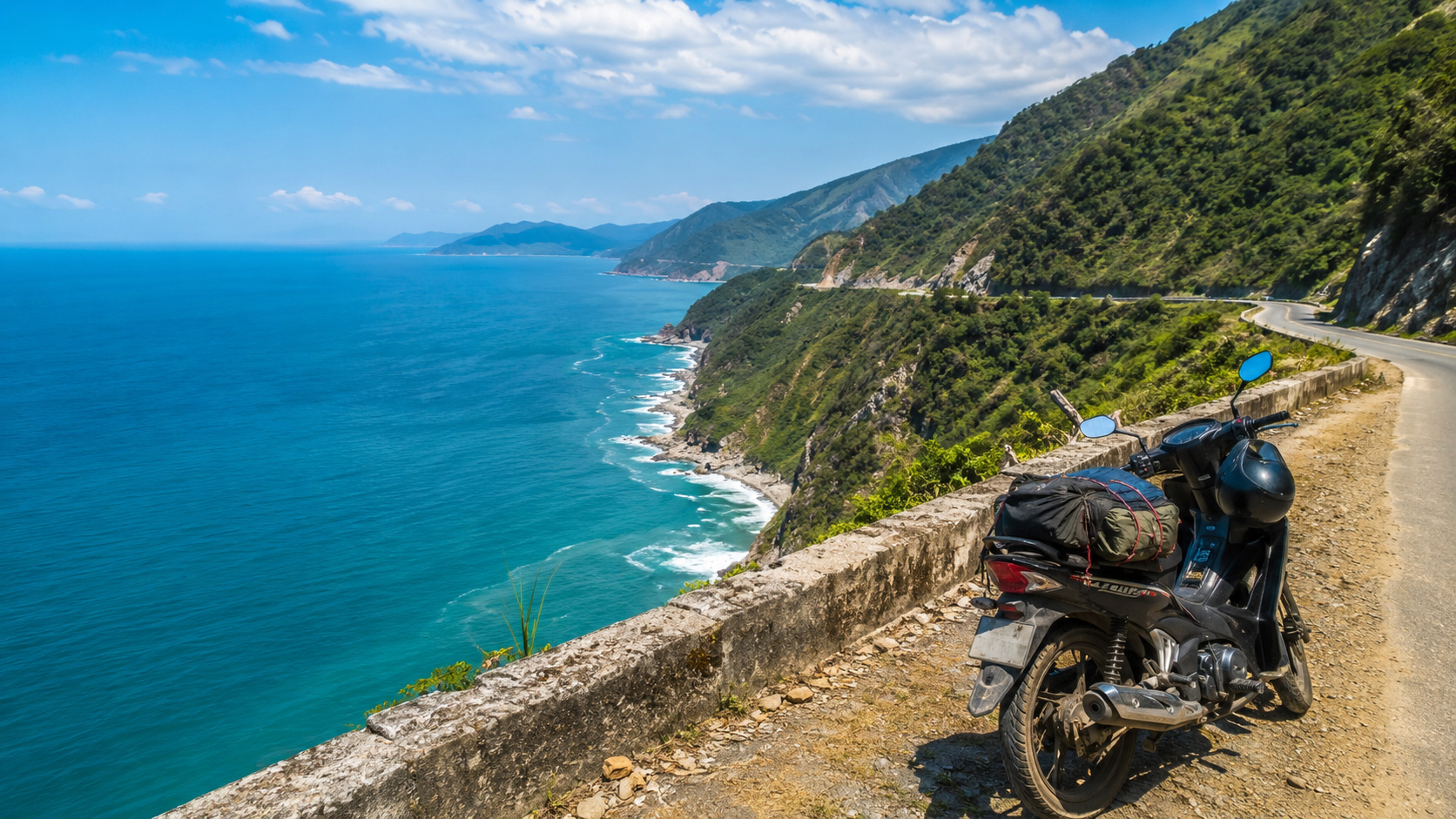
In the highlands or along the coast, the feeling changes again. Roads can feel more open, the wind stronger, the light sharper and the distance between stops longer. These routes suit travelers who enjoy wide spaces, longer roads and visible changes in terrain. However, because distances can be greater, rest points, fuel, drinking water and departure time matter even more. The deeper the route goes, the stronger the logistics need to be.
Prepare well so the journey stays safe, flexible and meaningful
Choose the right style: self-ride, ride as a passenger or combine both
Not every traveler should self-ride. For those unfamiliar with Vietnamese traffic, sitting behind an experienced local driver can be an excellent choice. Travelers still feel the wind, the road, the scenery and the life around them, but they do not need to manage traffic density, road signs, bends or unexpected situations. This style works well for first-time visitors, couples, travelers who enjoy observation, active seniors or anyone who wants the experience without the pressure of riding.
Experienced motorcyclists may choose to self-ride on suitable routes. However, they should check driving license conditions, insurance, motorbike quality, helmet standards, rental terms and support options in case something goes wrong. Riding in Vietnam can feel very different from riding in many other countries. Traffic flow, horn use, larger vehicles on national roads, roadside markets and animals crossing all require constant attention.
A flexible solution is to combine both styles. Travelers may self-ride on easier sections and rely on a local driver or guide for mountain passes, crowded roads or longer stages. This keeps a sense of independence while reducing risk. When planning a private tour, it is important to discuss riding experience, confidence level, preferred riding time per day and personal limits. A good itinerary does not push travelers beyond their ability. It helps them feel free within a safe structure.
Do not underestimate weather, energy and rest stops
Weather in Vietnam changes by region and season. A sunny day in Central Vietnam may be beautiful for photos but tiring for long rides. A misty mountain morning can create dramatic scenery but reduce visibility. Heavy rain can make roads slippery, especially on passes or dirt sections. Before choosing an itinerary, travelers should check the season, distance, rain risk and whether the route matches their physical comfort.
Turn the ride into a cultural experience, not only road travel
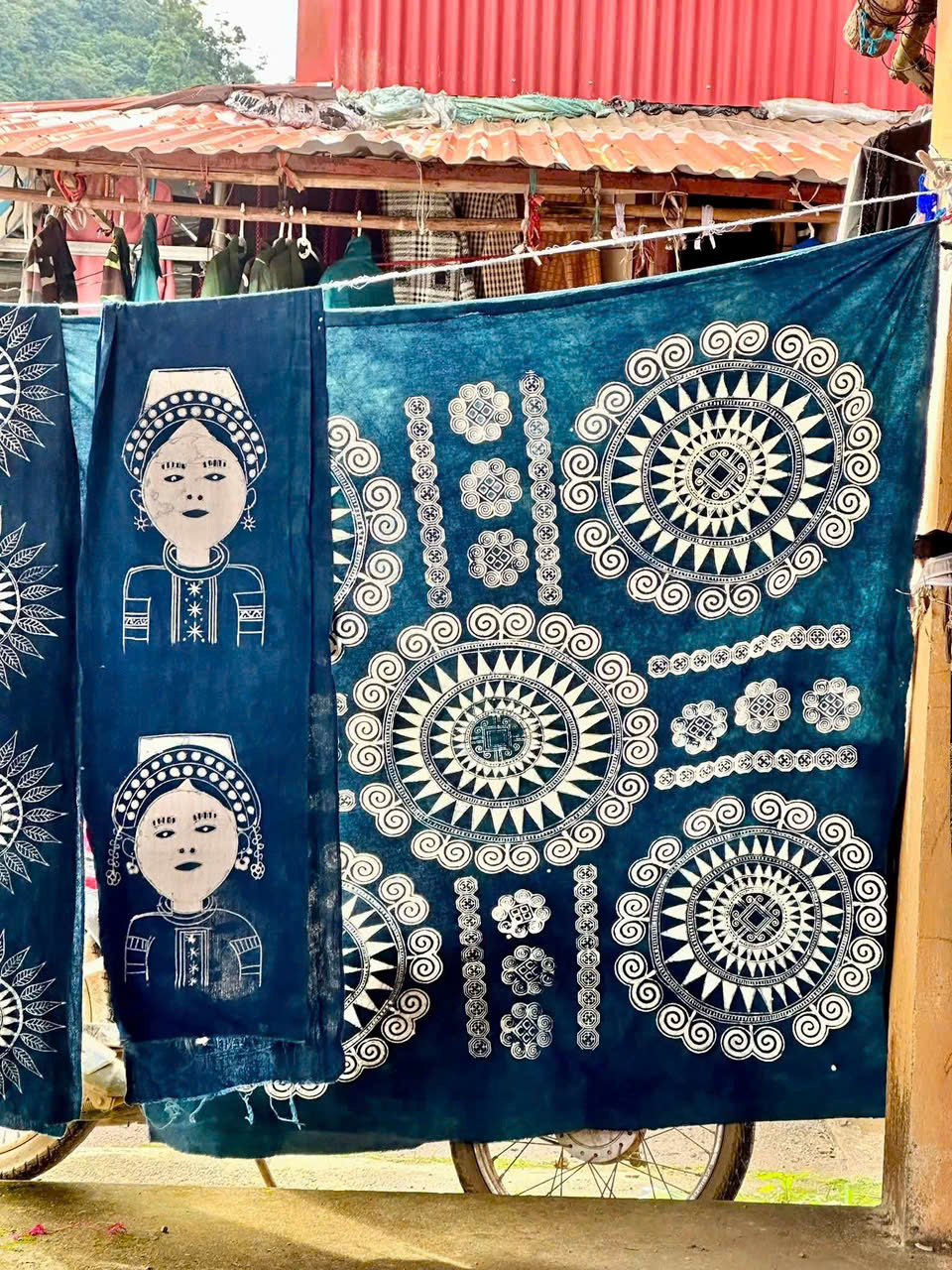
The special value of a motorbike journey in Vietnam is not only the feeling of freedom. Its deeper value lies in how the road connects travelers with local culture. A roadside food stop can reveal much about regional taste. A small morning market shows how people begin the day. A road through a craft village opens stories about handmade work, seasonal routines and family life. If travelers only pass through, these details may disappear quickly. With a guide who knows when to stop, they become memories.
A local guide plays an important role in giving the journey depth. They do not need to speak constantly, but they can add the right details at the right time: why a region grows a certain crop, when a local dish is best enjoyed, why a road once mattered, or how local people move through their daily routines. These simple explanations help travelers not only see Vietnam, but also understand more of what they are seeing.
A well-organized trip should also preserve a natural feeling. Not every stop needs to become a performance for tourists. Sometimes the most genuine experience is sitting with tea in a small shop, watching rain fall from the roof, listening to the guide speak with the owner, or riding slowly through a road touched by beautiful afternoon light. These moments are quiet, but they often remain in memory longer than formal highlights.
Finally, a motorbike journey should be seen as part of a broader Vietnam trip. It may be a gentle one-day experience within a longer itinerary, a connecting stage between two destinations or a multi-day journey for travelers who truly love the road. Whatever the format, the key is suitability: the right traveler, the right route, the right season and the right level of support. When these elements come together, the road is no longer just a way to move. It becomes a way to experience Vietnam with all the senses.