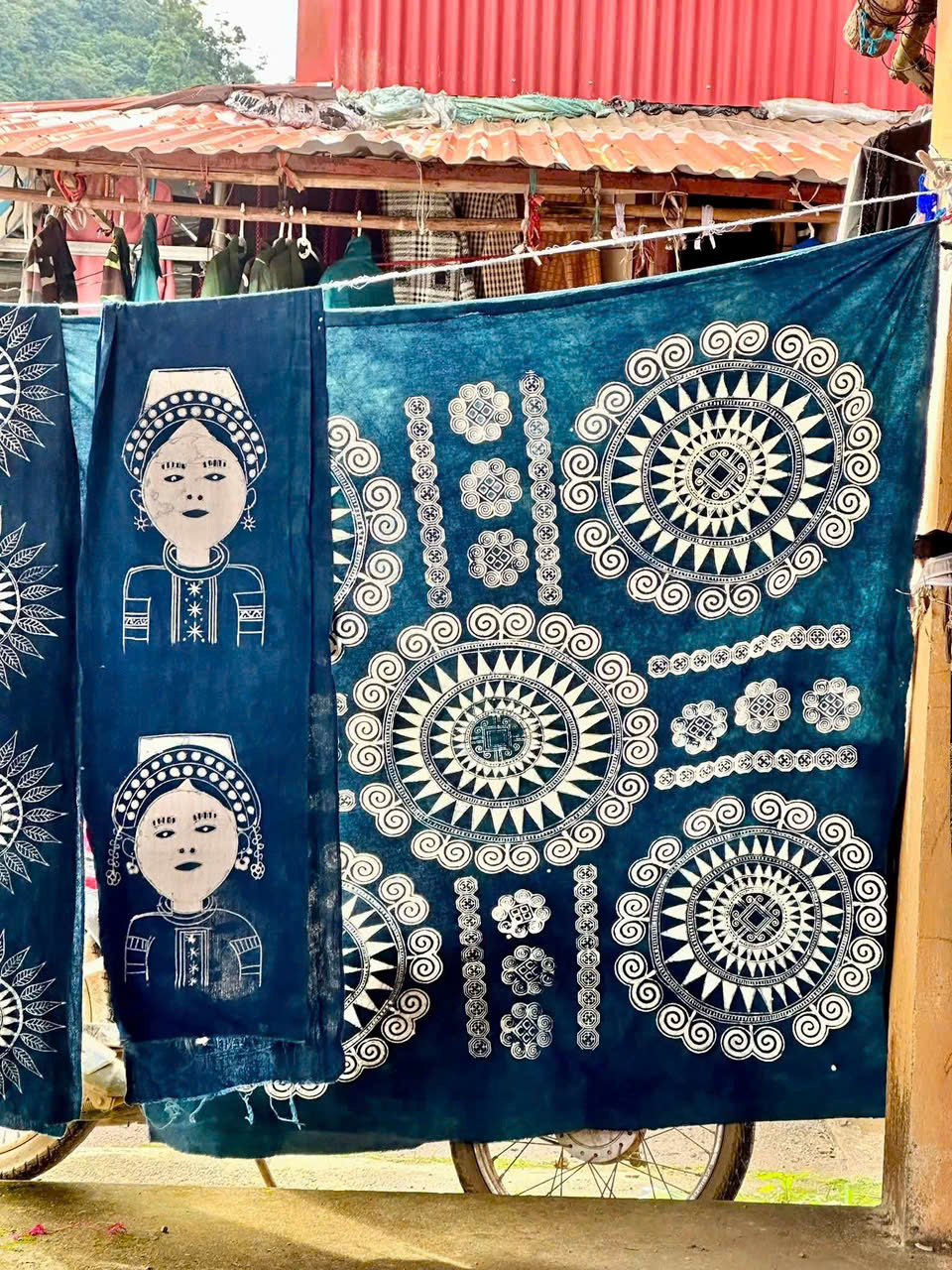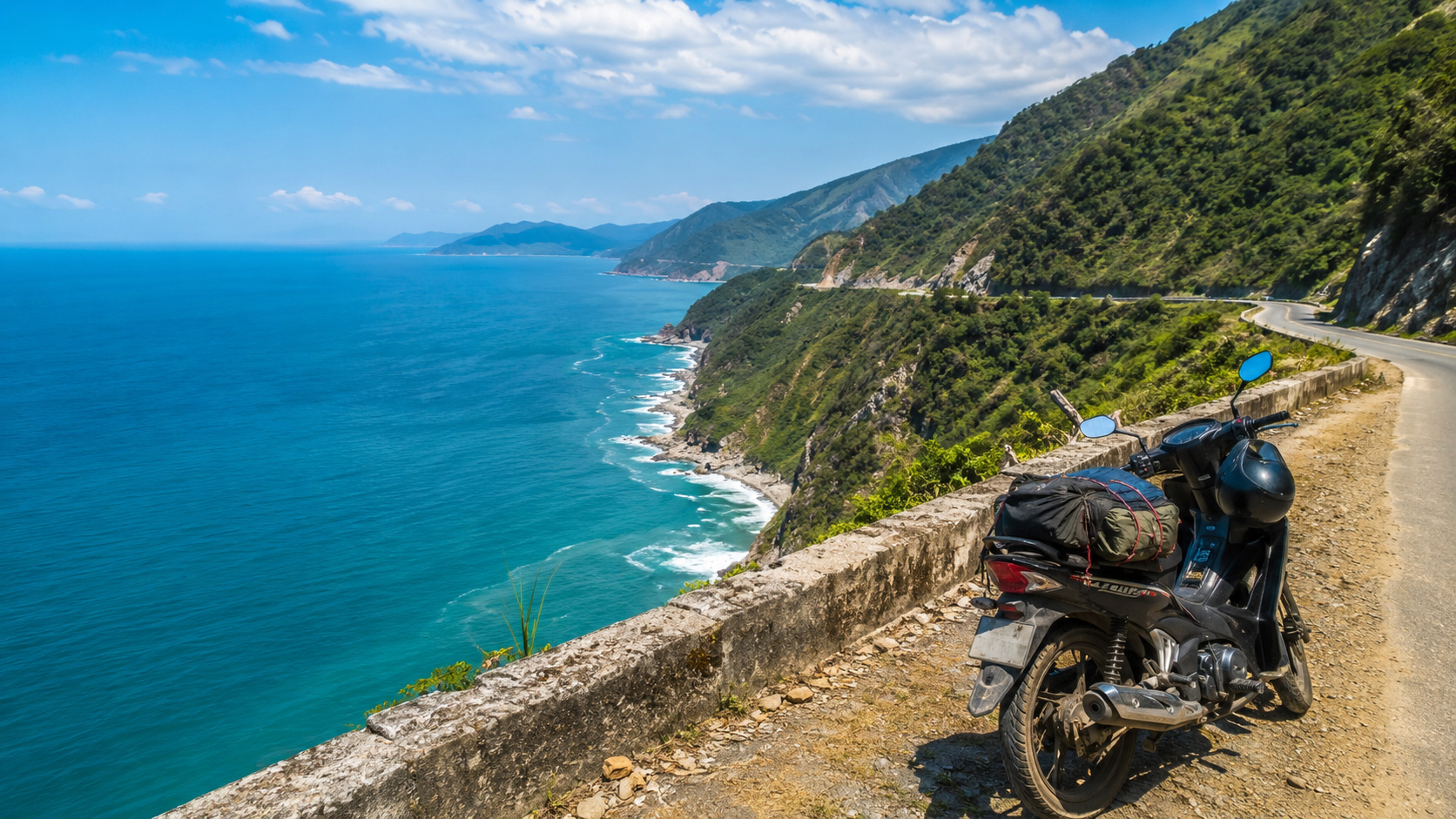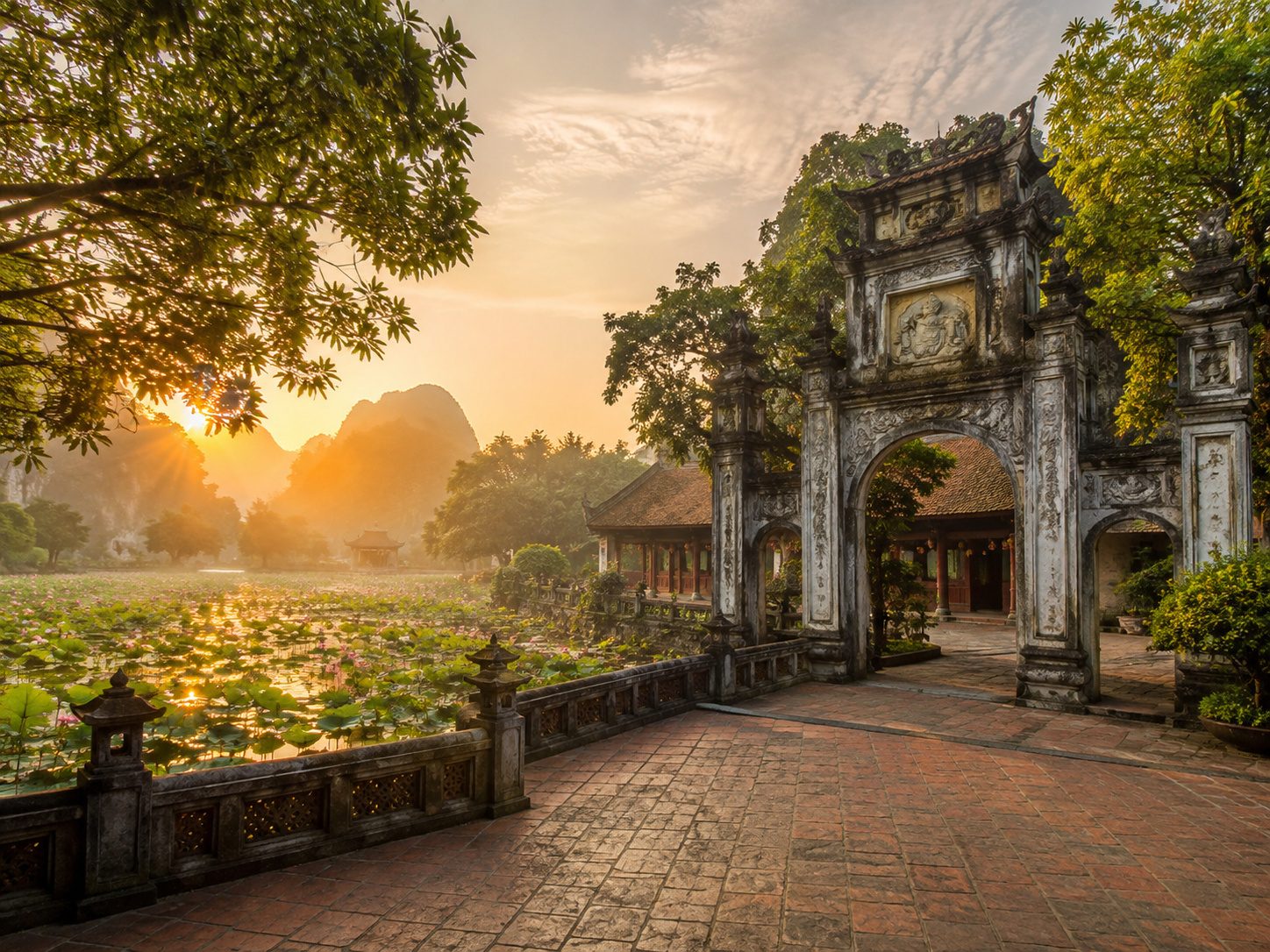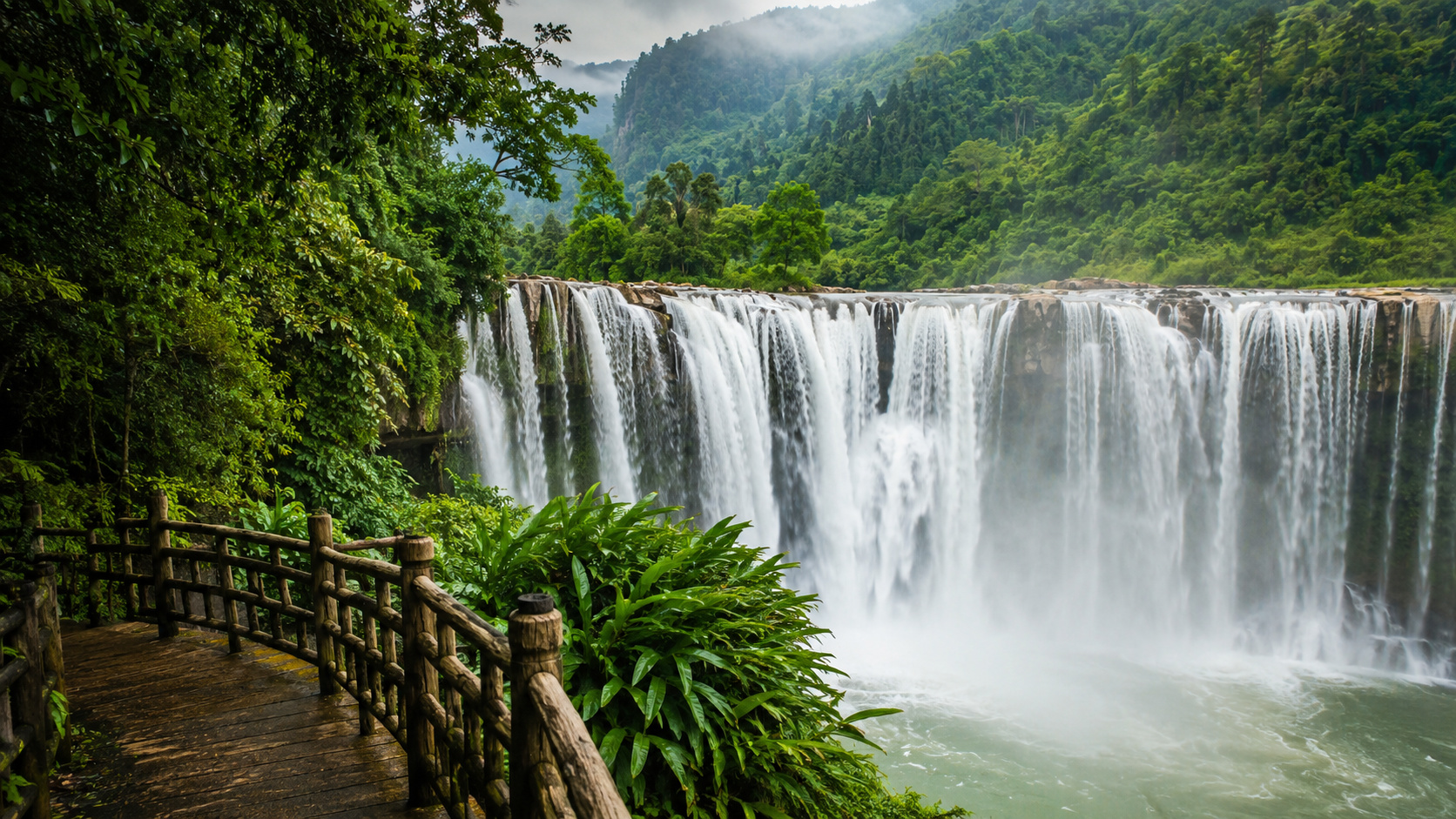

A Vietnam Motorcycle Tour is not simply a way to move from one destination to another. It is the feeling of wind across open rice fields, the changing sound of the engine on a quiet mountain pass, the smell of smoke from a roadside kitchen and the brief but memorable encounters that happen along the way. For many international travelers, this is one of the most direct ways to feel Vietnam at ground level, especially when they want to travel more slowly, look more closely and notice how each region changes from road to road.
Still, a motorcycle journey in Vietnam needs thoughtful planning. Not every route suits every traveler, not every season is comfortable, and not everyone should ride independently if they are not used to local traffic. A good itinerary balances experience, safety, rest time and practical support on the road. When arranged carefully, this kind of trip opens up a vivid Vietnam: colorful, close, sometimes surprising, but always more personal than a journey seen only through a car window.
Understanding a Vietnam Motorcycle Tour the right way
A motorcycle trip is not only for adventure travelers
Many people imagine that riding through Vietnam is only for young, highly active travelers who enjoy risk. In reality, a Vietnam Motorcycle Tour can be designed at many different levels. Some travelers ride independently on long-distance routes, some sit behind an experienced local driver, and others choose only a soft one-day experience through countryside roads, craft villages or the quieter edges of a city. The real question is not how far you ride, but whether the route fits your health, confidence and sense of comfort.
The beauty often lies in small details along the road
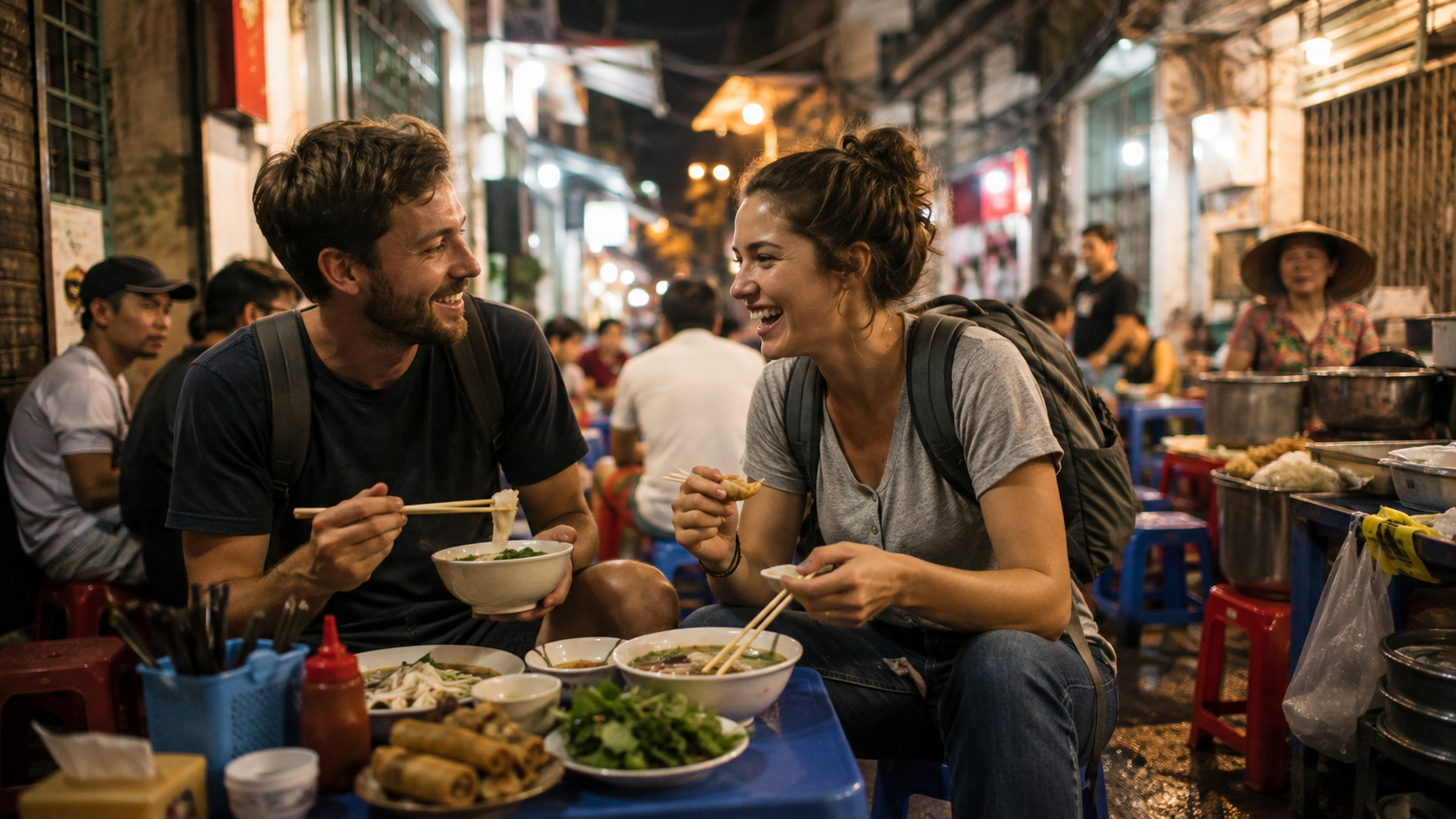
A motorcycle journey is often memorable because of moments that do not appear as major highlights on a map. You may stop beside a corn field in season, hear children calling to each other after school, or rest at a small roadside drink shop where the owner speaks little English but still helps with directions through gestures and a warm smile. These details give the trip a feeling of real life, very different from sightseeing that focuses only on famous monuments.
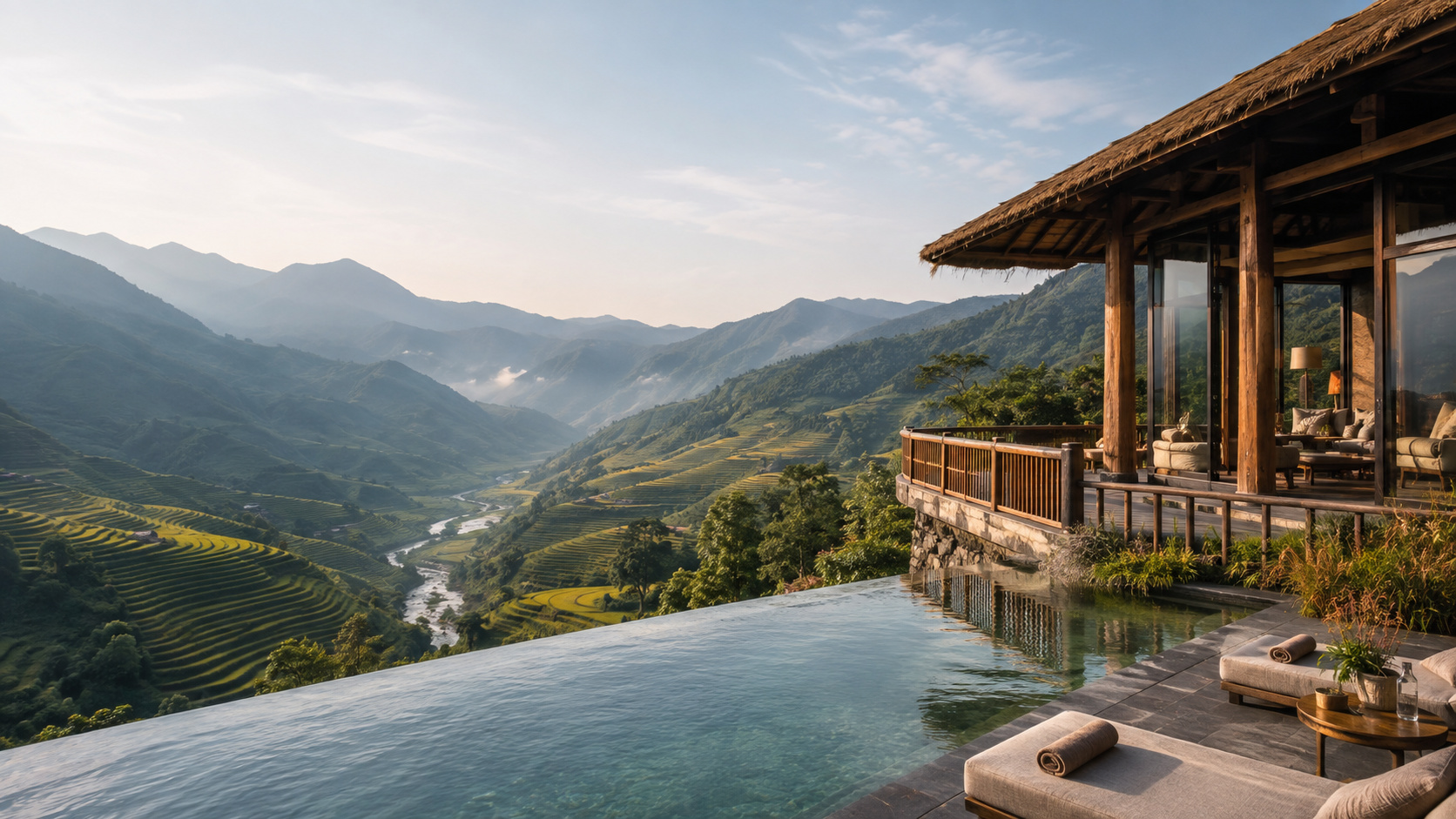
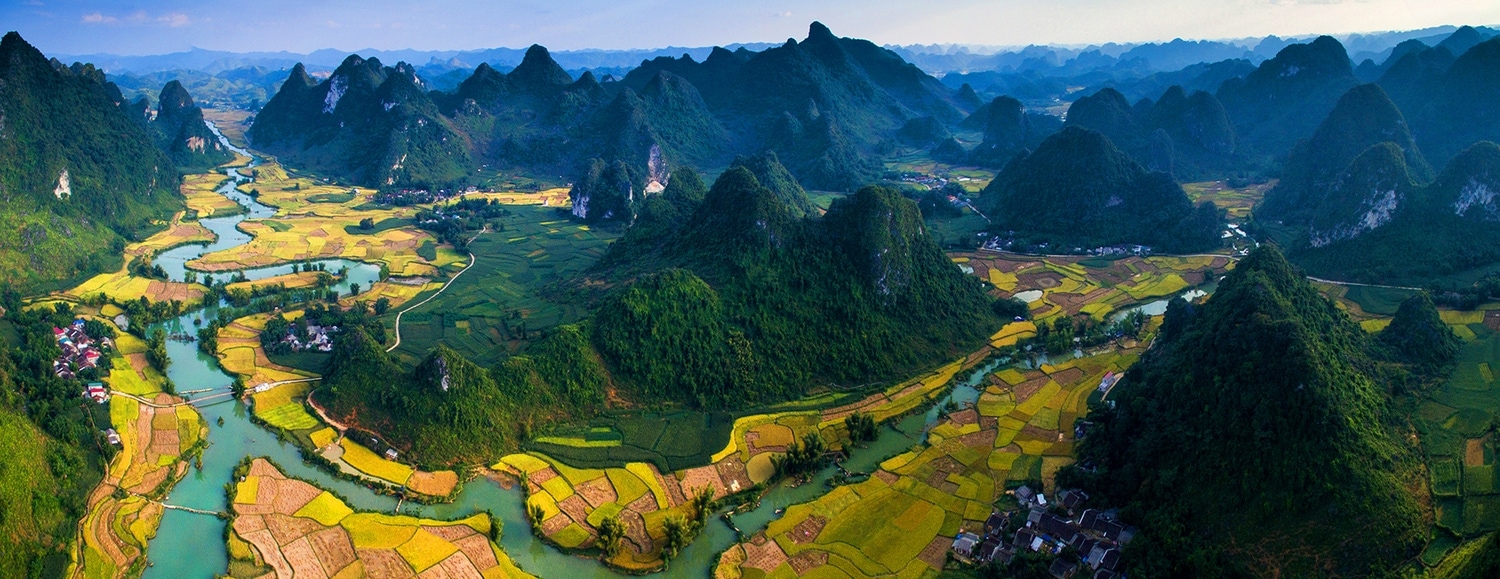
Motorcycle travel also allows you to feel landscape changes more clearly. From the limestone mountains of the North to the villages of Central Vietnam, from coastal roads to the highlands, each section has its own atmosphere. When you travel slowly, you notice the smell of wet earth after rain, the sound of a morning market, the colors of school uniforms on the road home and the shade of trees falling across village lanes. These are the kinds of impressions that are easily missed on a schedule that moves too fast.
Not every beautiful route is easy to ride
Vietnam has many impressive roads, but beauty can come with real challenges. Mountain roads may be narrow, full of bends and affected by sudden weather changes. Some coastal routes are visually stunning but exposed to strong sun, limited shade or seasonal winds. Rural roads may look gentle, yet riders still need to watch for trucks, animals, slippery surfaces after rain and local traffic habits.
That is why route choice should be based on real ability, not only on beautiful photos. First-time visitors should usually choose moderate distances, clear rest stops and support from people who know the road. If you want a longer journey, it is better to divide it into manageable stages instead of riding for too many hours in one day. A rewarding trip does not need to cover the greatest number of kilometers; sometimes a shorter route with meaningful stops gives a deeper travel experience.
Weather also deserves serious attention. Heavy rain can make roads slippery, fog can reduce visibility on mountain passes, and long periods of heat can tire travelers faster than expected. For those not used to tropical conditions, breaks, drinking water, sun protection, a light raincoat and flexible timing matter far more than completing every planned stop. A safe Vietnam Motorcycle Tour begins with the ability to slow down when the road, weather or body asks for it.
Planning your route for more depth, comfort and safety
Choose the riding style that matches your experience
You do not have to ride yourself to enjoy a motorcycle journey fully. For travelers unfamiliar with Vietnamese traffic, sitting behind an experienced local driver is often the more relaxed option. You still feel the wind, the road, the scenery and the life around you, but you do not need to manage traffic flow, road signs, sharp bends or unexpected situations. This style works especially well for first-time visitors, couples, active senior travelers and anyone who wants to focus on observing, taking photos and enjoying the road.
For travelers with solid motorbike experience, self-riding can bring a stronger sense of freedom. However, it requires careful checks: driving license conditions, insurance, rental terms, motorbike quality, helmet standards and what support is available if something goes wrong. It is important not to underestimate the difference between riding in Vietnam and riding in Europe, Australia or North America. Traffic density, overtaking habits, horn use and road behavior can feel very different.
A balanced option is to combine both styles. You may self-ride on easier sections and rely on a local driver or guide for mountain passes, longer distances or areas with more complex traffic. This keeps the spirit of adventure while reducing unnecessary risk. When planning a private tour, it is useful to discuss your riding experience, preferred level of independence, daily distance and the kind of support you expect on the road.
Build in proper breaks and meaningful stops
One common mistake is making the itinerary too dense because motorcycle travel feels flexible. In practice, a motorbike does make it easier to stop, but the body can become tired quickly after long hours in sun, rain, dust, noise and a fixed riding position. A good riding day should include natural pauses: water breaks, lunch, viewpoints, local conversations or simply a quiet place to stretch your legs.
Turn the ride into a cultural experience, not just a distance covered
The strongest value of motorcycle travel in Vietnam is its ability to bring travelers closer to ordinary life. To make the journey more meaningful, the route should include stops with a story, not only scenic roads. A family-run meal, a craft village, a terraced field, a coffee stop in a small town or a conversation with a local guide can make the experience feel personal and memorable.
The guide or local driver matters greatly. A good guide does more than lead the way. They explain why a region grows certain crops, what makes a roadside dish special, when people gather at the local market, and how a road connects with community life, trade or history. These explanations do not need to be long; they simply help travelers understand what they are seeing.
A Vietnam Motorcycle Tour should feel open and natural, but it should not be careless. Thoughtful planning gives travelers more freedom because they do not have to worry constantly about roads, vehicles, weather or safety. When the logistics are handled quietly in the background, you can focus on the real pleasure of the journey: feeling Vietnam at the speed of the road, through the sounds of daily life and through stops that feel genuinely local.