

Hue is easy to love, but it should not be visited in a rush. The city brings together imperial heritage, royal tombs, pagodas, garden houses, local food and quiet moments along the Perfume River. If the itinerary is poorly arranged, travellers may remember long walks, heat, rain or fatigue more than the beauty of the former capital. A good Hue experience starts with practical preparation: choosing the right season, grouping visits by area, packing suitable clothes, leaving time to rest and knowing what kind of Hue you want to discover. These Hue travel guide tips will help you plan with more comfort, clarity and cultural depth.
What to prepare before travelling to Hue
Choose the right timing and number of nights
Hue has its own beauty in different seasons, but weather can strongly shape the way you experience the city. On sunny days, the Imperial City, royal tombs and outdoor sites are easier to photograph and explore. On rainy days, Hue becomes quieter and more atmospheric, which can be ideal for cafes, garden houses, hot local dishes and indoor cultural experiences. It is wise to check the weather forecast shortly before your trip, especially if you travel with children or older family members.
In terms of duration, one day in Hue should be seen as a quick visit. If you want to feel the city properly, stay at least one night; two nights are better if you want to divide heritage, food and local experiences into calmer parts of the day. Hue is not at its best when travellers arrive in the morning, rush from the Imperial City to several royal tombs, then leave after a hurried meal. That kind of schedule can turn a beautiful destination into a tiring checklist.
When planning your days, place the sites that require more walking in the morning or late afternoon, and avoid the hottest part of the day when possible. Lighter experiences such as Hue cuisine, a riverside cafe, a boat ride or a garden house can be arranged around the main visits. If you travel with Tradition Việt, share your age range, health conditions, food preferences and travel style in advance so the Hue itinerary can be adjusted to your real pace.
Pack comfortable clothes, shoes and small essentials
Hue includes many sites where you walk on brick paths, wide courtyards, steps and garden lanes. Comfortable shoes matter more than elegant but impractical outfits. Bring a hat, sunglasses, a light jacket, a small umbrella or a compact raincoat, as Central Vietnam weather can change quickly. For pagodas, tombs and sacred spaces, modest and respectful clothing will make the visit smoother and show consideration for local culture.
Arrange sightseeing by area, not only by fame
A common mistake in Hue is to list famous places without checking how they connect geographically. The Imperial City, Thien Mu Pagoda, royal tombs, craft villages, garden houses and the city centre are not always close to one another in the order travellers imagine. If you travel independently, look at the map before finalising your day to avoid unnecessary back-and-forth transfers, especially in hot or rainy weather.
A practical day may focus on the Imperial City and central area in the morning, then one or two carefully selected royal tombs in the afternoon, instead of trying to visit everything. A second day can be lighter, with Thien Mu Pagoda, the Perfume River, local food or a daily-life experience. The goal is not to collect as many stops as possible, but to give each place enough time to tell its story.
Tips for a smoother and more meaningful Hue experience
Slow down to notice the details of the former capital
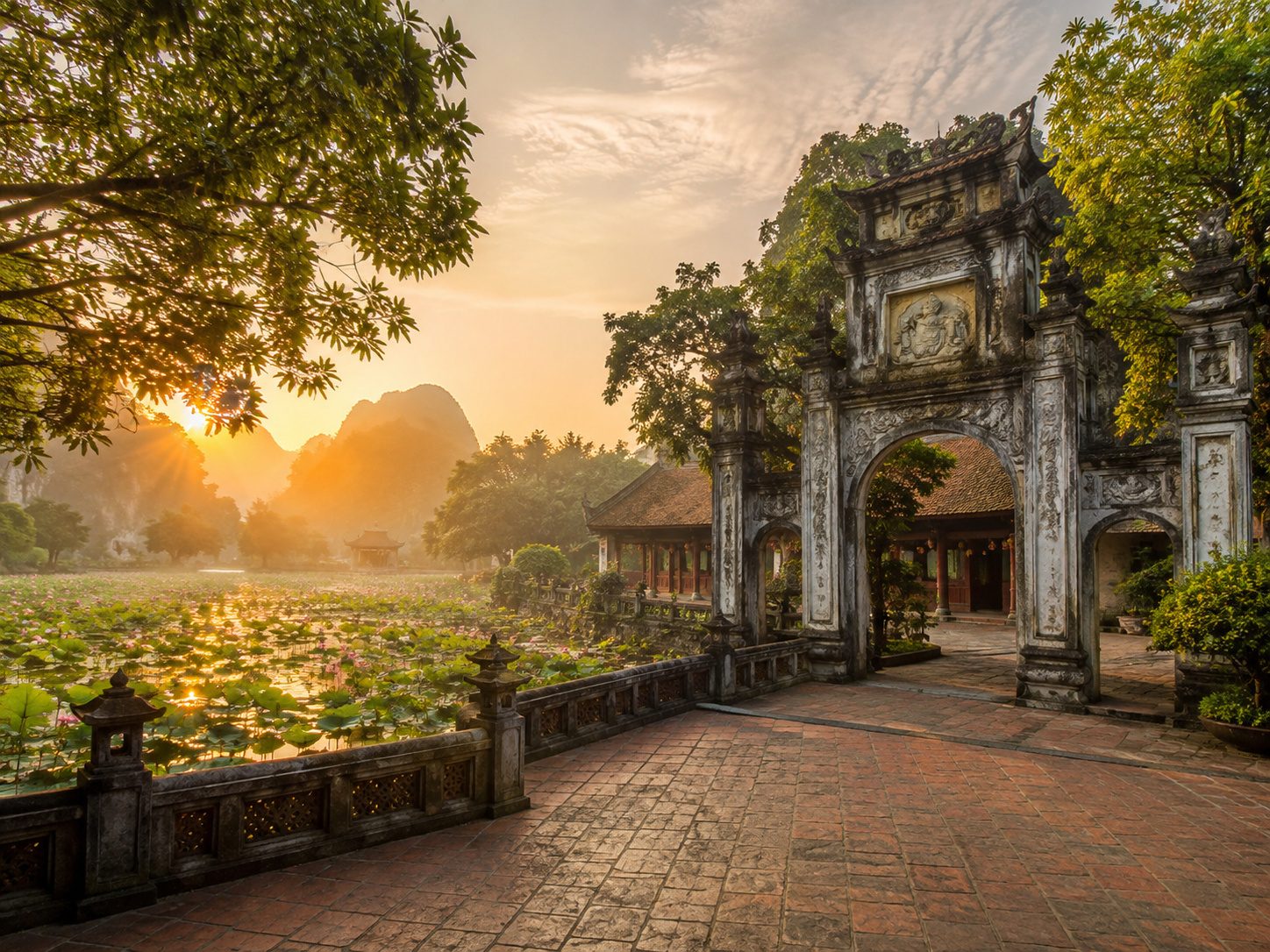
Hue is not a city to understand at high speed. Inside the Imperial City, an old wall, a line of trees, a courtyard or a tiled roof can reveal much more when you pause. At the royal tombs, the combination of axis, water, screen walls, trees and architecture creates a different mood at each site. If you move too fast, the monuments may start to look similar, even though each one has its own character.
A knowledgeable guide can change the entire experience. Instead of only giving dates, a good guide explains why a structure was placed there, how ceremonies worked, what royal family stories are connected to the site and what traces of the past remain in Hue today. In a destination with many cultural layers, storytelling is often as important as the monument itself.
Let local food become part of the itinerary
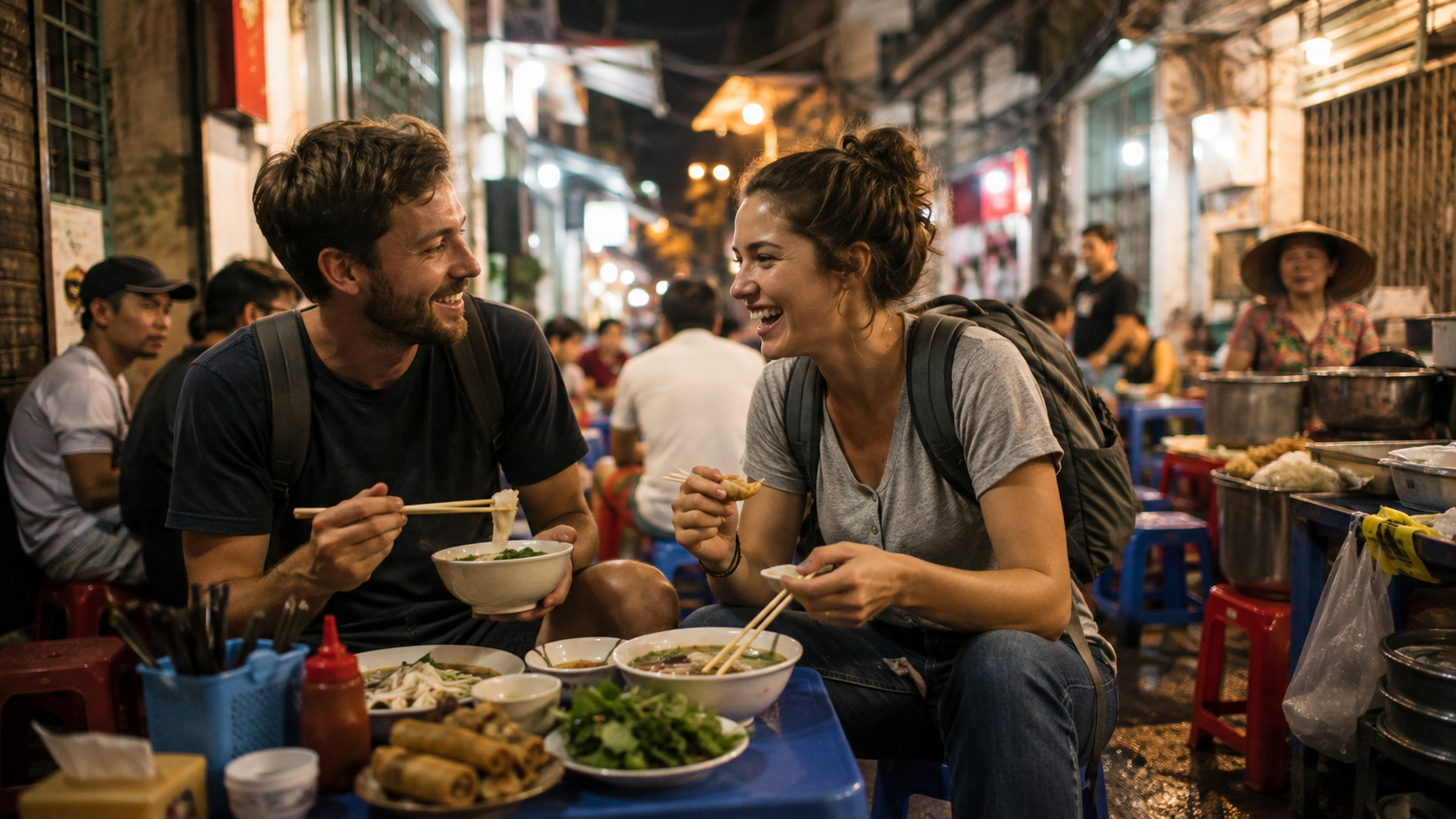
Hue cuisine should not be treated as something to fit in after sightseeing. Bun bo Hue, com hen, banh beo, banh nam, banh loc, Hue sweet soups and home-style meals are all direct ways to understand the city. Leave real time for meals instead of eating quickly between visits. The refinement of Hue often appears in flavour, presentation, small portions and the quiet care placed into each dish.
Keep enough pauses so the journey does not feel overloaded
Hue is beautiful, but it can become tiring if the schedule is too dense. Many heritage sites are large, walking is part of the visit, and the weather can be hot, humid or suddenly rainy. For families, older travellers or guests who have already spent many days travelling through Vietnam, pauses are essential rather than optional. A cafe break, one hour at the hotel or a relaxed meal can make the rest of the day far more enjoyable.
If you combine Hue with Da Nang and Hoi An, remember to include road travel, check-in time and the energy level of the group after previous stops. Do not place Hue in the itinerary only as an extra Central Vietnam stop. The city deserves its own space, especially for travellers who want to understand Vietnam through heritage, people and local life.
When you need a Hue itinerary that is not too heavy but still rich in meaning, Tradition Việt can help select the right sites, arrange a private vehicle, guide, food experiences and rest time according to your group’s travel style. A good journey is not the one with the highest number of places; it is the one that allows you to leave Hue with a real sense of its spirit.
FAQ
How many nights should I spend in Hue?
One night is the minimum, but two nights are better if you want to visit the Imperial City, selected royal tombs, Thien Mu Pagoda, enjoy local food and travel without rushing.
Do I need a guide in Hue?
A guide is highly recommended if you care about history and culture. Hue has many details that become meaningful when they are explained through stories, not only through site names.
What should families with children consider in Hue?
Choose a lighter itinerary, use a private car, avoid long walks at midday and include food or craft experiences so children can take part more naturally.
Can Hue be combined with Da Nang and Hoi An?
Yes. Together they create a balanced Central Vietnam route: Hue for heritage, Da Nang for easy access and the coast, and Hoi An for old-town atmosphere.
What should I bring when visiting Hue heritage sites?
Bring comfortable shoes, respectful clothing, drinking water, a hat or small umbrella. Some sites are large, so plan both time and energy carefully.
Send us your expected travel dates, number of travelers and main wishes to receive itinerary advice and a suitable quote from Tradition Việt. 📞 Hotline: (+84)967 04 88 91 / (+84)376 304 008 📧 Email: info@traditionviet.com Address: CT2A, Hanoi Homeland, Thuong Thanh Ward, Long Bien District, Hanoi.