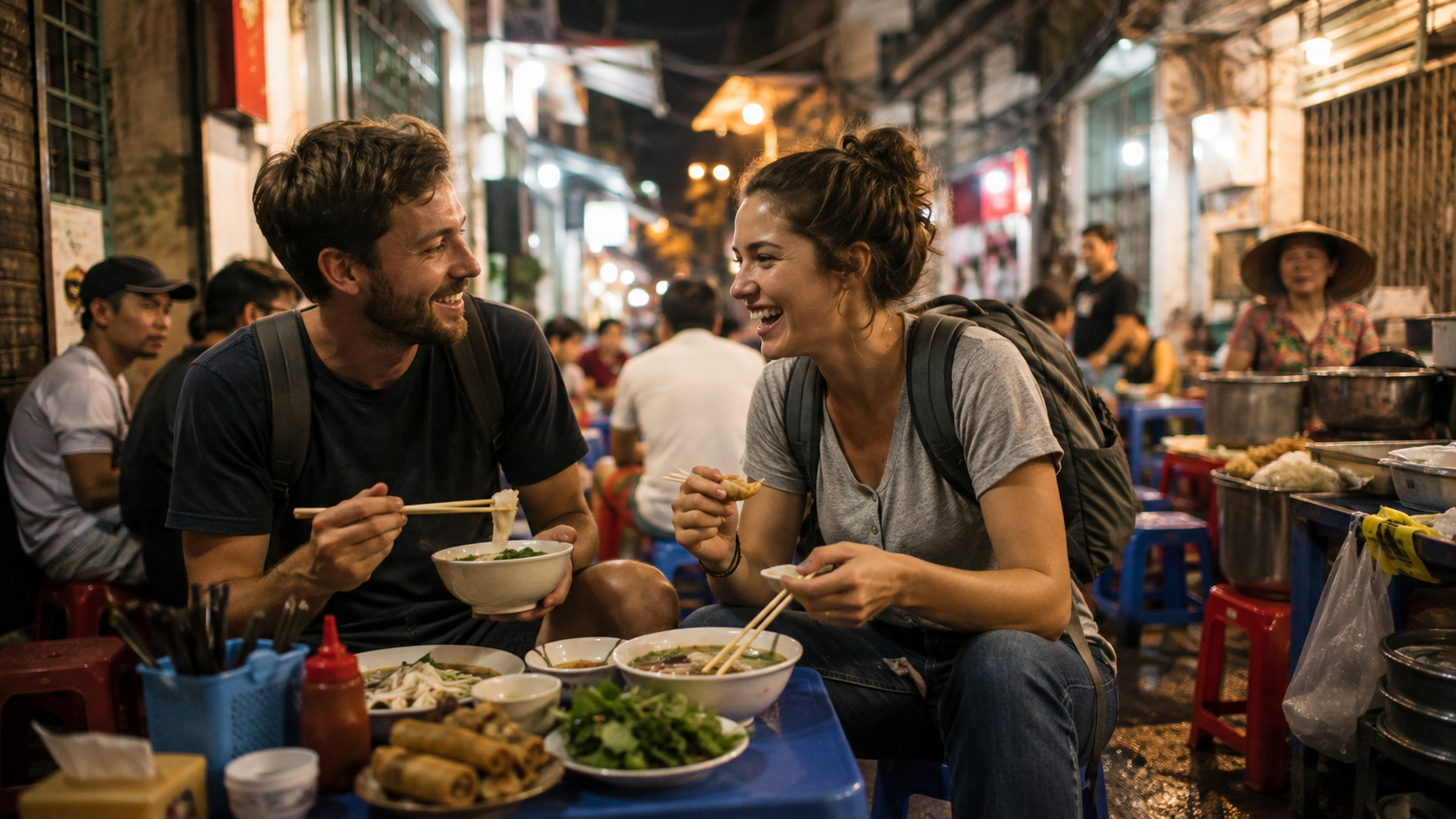


Hanoi Old Quarter can be explored independently, but a local guide changes the way many travelers experience it. Instead of only seeing crowded streets, food signs, markets, and old houses from the outside, you begin to understand why the area developed this way, how local people use the streets, where to pause, what to taste, and which small details are easy to miss without context.
This hanoi old quarter guide tour article is for travelers who are considering local support rather than simply following a map. A well-designed tour should not make the district feel rigid. It should help you move through the Old Quarter with better timing, safer choices, richer stories, and a route that fits your comfort, interests, and wider Vietnam itinerary.
Why Book a Guided Tour in Hanoi Old Quarter?
A guided Old Quarter tour is most useful when travelers want more than a surface-level walk. The district is dense, busy, and full of small cultural signals that are not always obvious at first glance. With the right guide, a short visit can become more meaningful because food, architecture, trade history, street habits, and daily life are connected into one coherent experience.
Local context makes the streets easier to understand
Without context, the Old Quarter can feel like a maze of similar streets. A guide helps explain how old trade streets developed, why many houses are narrow and deep, how local shops use pavement space, and why the area still functions as both a commercial district and a residential neighborhood. These explanations turn ordinary-looking corners into part of a larger Hanoi story.
A local guide can also help you notice details that are easy to pass by: a temple entrance hidden behind a busy storefront, a family business that has changed products across generations, a coffee shop above street level, or a food stall known more by local habit than by online visibility. These are the kinds of details that often make the Old Quarter feel personal rather than generic.
A guided food route can reduce guesswork
Food is one of the strongest reasons to book a guided Old Quarter experience. The area has countless places to eat, but not every traveler knows how to judge freshness, local popularity, hygiene comfort, or dish style from the street. A good food guide can select stops that suit your taste, explain what you are eating, and pace the meal so it feels enjoyable rather than random.
This matters especially for first-time visitors to Vietnam. Dishes such as phở, bún chả, bánh mì, egg coffee, fresh rolls, and street snacks may seem simple, but each has its own rhythm, best time, and local way of eating. A guide can help you approach them with confidence instead of choosing only the most visible restaurant.
Guided food experiences are also useful for travelers with limited time. Instead of spending half the evening comparing reviews, walking in circles, or missing better side streets, you can follow a thoughtful route. The value is not only convenience; it is the chance to eat with more understanding.
Support helps with timing, comfort, and pace
The Old Quarter can be tiring if you visit at the wrong hour or try to do too much. A local advisor can help choose a better start time, plan café breaks, avoid overly crowded routes when possible, and match the walk to your energy level. This is especially helpful for families, older travelers, or visitors arriving in Hanoi after a long flight.
What a Good Hanoi Old Quarter Tour Should Include
A strong Old Quarter tour should feel balanced. It should not be only a history lecture, only a food crawl, or only a walk between tourist shops. The best experiences combine local stories, street observation, food or coffee, cultural stops, and flexible pacing. The route should leave room for spontaneous moments while still giving the visit a clear structure.
A clear route with flexible stops
A guided tour should begin with an easy meeting point, often near Hoan Kiem Lake or another recognizable landmark. From there, the route can move into smaller streets, old commercial lanes, food areas, cafés, or markets. The important point is that the route should make sense geographically, so travelers are not constantly backtracking or crossing busy streets without purpose.
A mix of culture, food, and daily life
The Old Quarter is at its best when different layers are experienced together. A meaningful tour might include old trade streets, a local market, a temple or heritage stop, a coffee break, and selected food tastings. This variety helps travelers understand the district as a living neighborhood rather than a single attraction.
Food should be included thoughtfully, not thrown in as decoration. One carefully chosen dish with a clear explanation can be more valuable than several rushed stops. The same is true for cultural sites: a small temple or old house becomes more interesting when the guide explains how it fits into local life.
For travelers who want a smooth plan, Tradition Việt can connect Old Quarter experiences with broader Hanoi city touring through /en/hanoi-tours/. This makes it easier to combine the Old Quarter with the French Quarter, Temple of Literature, Hoan Kiem Lake, local cafés, or evening food experiences.
Personal support before and during the visit
Good local support begins before the tour starts. Travelers may need advice on meeting points, weather, clothing, walking distance, dietary preferences, hotel location, or whether a morning or evening tour is more suitable. These details sound small, but they often decide whether the experience feels relaxed or stressful.
During the tour, personal support also matters. A guide should adjust the pace when streets are crowded, suggest breaks when needed, explain how to cross roads calmly, and help travelers feel comfortable asking questions. The goal is not to rush guests through Hanoi, but to help them feel more at ease inside a district that can be intense at first.
If you want an Old Quarter experience that fits your travel style, Talk to a Vietnam travel advisor. Tradition Việt can help choose the right format, timing, and level of guidance so your Hanoi visit feels personal rather than copied from a standard tour list.
FAQ
Is a Hanoi Old Quarter guide tour worth it?
Yes, especially for first-time visitors who want cultural context, food recommendations, easier navigation, and a better understanding of local street life.
Can I visit Hanoi Old Quarter without a tour?
Yes. Independent walking is possible, especially around Hoan Kiem Lake and central streets. A tour is better if you want deeper stories, food guidance, and a smoother route.
What should an Old Quarter tour include?
A good tour may include old streets, Hoan Kiem Lake, local food, Vietnamese coffee, markets, small temples, heritage houses, and explanations about trade history and daily life.
Is a food tour better in the Old Quarter during the day or evening?
Evening is popular for food tours because the atmosphere is lively and many stalls feel more inviting. Morning can be excellent for breakfast dishes and calmer local scenes.
Is a guided tour suitable for families?
Yes. Families often benefit from a guide because the route can be adjusted for walking distance, food comfort, traffic, rest stops, and children’s energy levels.
How do I book local support for Hanoi Old Quarter?
You can contact Tradition Việt through the Hanoi tour page or speak with a travel advisor to choose the right Old Quarter route, timing, and tour style for your trip.
A Hanoi Old Quarter tour should not remove the district’s spontaneity. It should help you understand it better. With local support, the crowded streets become easier to read, the food becomes less intimidating, and the small cultural details begin to connect. For many travelers, this turns a short walk into one of the most memorable experiences in Hanoi.
To book a thoughtful Old Quarter experience with the right timing, route, food stops, and local guidance, Talk to a Vietnam travel advisor. Tradition Việt can help you shape a Hanoi tour that matches your pace and fits naturally into your wider Vietnam journey.