

Hanoi is a city that can create a strong first impression. The sound of motorbikes, the smell of hot food, the morning lake, narrow streets, and old buildings can make travelers feel they have entered a place that is both lively and full of memory. Yet because Hanoi has so many layers, the experience changes greatly depending on whether the itinerary is carefully prepared or arranged too quickly.
A good hanoi tours experience is not only about choosing famous attractions. It also depends on timing, route design, weather, walking comfort, food habits, and flexibility during the day. A well-planned tour helps travelers feel closer to the city, while a weak itinerary can turn Hanoi into a tiring sequence of transfers. The tips below help make the journey more practical, lighter, and easier to enjoy.
Experience-based tips for a smoother Hanoi tour
To enjoy a full day in Hanoi, travelers should begin with very practical details: when to go, where to eat, when to rest, and which area to visit first. The city is not difficult to explore, but its traffic rhythm, heat, sudden rain, and distance between attractions should not be underestimated. A few small adjustments in the way the day is planned can make a major difference to the overall experience.
Start early, but do not overload the schedule
Morning is a beautiful time to begin a Hanoi tour. The air is usually more comfortable, many neighborhoods still show their local routine, breakfast places are active, and the light is good for photography. Starting early helps travelers feel the city before the streets become busier, especially around Hoan Kiem Lake, the Old Quarter, or small local markets.
Still, starting early does not mean adding too many places to the morning. If the route is overloaded, travelers will become tired quickly, especially in hot weather or after a long flight. A good morning should have a clear route, a few meaningful stops, and enough time to observe. Hanoi is memorable through small details, not only through the number of landmarks visited.
Choose food by context, not only by famous lists
Food is an important part of Hanoi Tours, but travelers should not rely only on online lists of famous dishes. A good dish needs the right timing, setting, and appetite. Phở or steamed rice rolls may suit the morning, bún chả often works well for lunch, egg coffee is ideal for a pause, and hot dishes become especially memorable in cooler weather.
A useful tip is to avoid eating too many heavy dishes in the same session. Hanoi has many tempting foods, but if the itinerary combines long walks with continuous large meals, travelers may lose energy. It is better to alternate main dishes with lighter tastings, drinks, or rest stops. This keeps the food experience enjoyable until the end of the day.
Travelers with dietary requirements should mention them before the tour. Vegetarian meals, spice tolerance, allergies, children, or older family members all need to be considered early. A guide with strong local knowledge can choose better restaurants, explain sauces, and help avoid ingredients that may not fit the traveler’s needs.
Keep the itinerary flexible when weather changes
Hanoi weather can shift quickly, especially in spring, summer, or between seasons. A sunny morning may turn rainy, or humid heat may make outdoor activities heavier than expected. For that reason, a Hanoi tour should always have alternatives: museums, cafés, indoor cultural sites, restaurants, or shorter routes. Flexibility helps the day remain enjoyable even when conditions change.
Common mistakes to avoid when planning Hanoi Tours
Many travelers do not struggle because Hanoi lacks attractions, but because they choose the wrong way to move through the city. The most common mistake is trying to see too much in too little time. Another is focusing only on famous names while ignoring location, opening hours, weather, and walking comfort. Avoiding these mistakes makes Hanoi Tours lighter, richer, and less tiring.
Placing distant attractions in the same session
Hanoi may not look too large on a map, but traffic can make transfers longer than expected. If the morning begins in the Old Quarter, then jumps to a distant attraction, then returns to the center for lunch, the route becomes fragmented. Travelers lose time on the road and find it harder to experience each area properly.
A better approach is to group nearby places into the same route. Hoan Kiem Lake, the Old Quarter, the French Quarter, and Hanoi Opera House can fit into one natural flow. Ba Dinh, the Temple of Literature, and selected museums can form another practical section. Moving by area reduces fatigue and leaves more room for spontaneous moments.
For families or groups with older travelers, route grouping is even more important. Shorter distances, fewer transfers, and clear rest stops help the whole group maintain energy. A well-arranged tour does not necessarily include more places, but it allows each place to be experienced more fully.
Ignoring the real rhythm of the city
Some itineraries are based only on destination lists and ignore how Hanoi actually lives. Markets are best in the morning, the Old Quarter feels different in the daytime and evening, West Lake is more pleasant toward sunset, and many dishes are better or more common at specific hours. If travelers go at the wrong time, they may reach the right place but miss its most vivid atmosphere.
A Hanoi tour should be shaped around local rhythm. This makes the day feel more natural and less like a checklist. When a morning begins with a market or hot local dish, midday includes a pause, and the afternoon turns toward culture or lakeside spaces, the journey becomes more balanced and memorable.
Forgetting the destination after Hanoi
Hanoi is often the starting point before travelers continue to Halong Bay, Ninh Binh, Sapa, or Ha Giang. If the city tour is planned without considering the next destination, the schedule may become uncomfortable. Travelers may finish too late before an early departure, eat too heavily before a long transfer, or have too little rest after a flight.
A good plan should treat Hanoi as the opening chapter of the whole Northern Vietnam journey. The first day can be lighter if travelers have just arrived. The day before a mountain trip or long transfer should not be too demanding. If a cruise or distant route is planned, pickup time, weather, and hotel location should be checked carefully. Talk to a Vietnam travel advisor so your Hanoi tour supports the full trip, not only one day in the capital.
Frequently asked questions about Hanoi tour experience
What mistake should first-time visitors avoid in Hanoi?
The biggest mistake is adding too many places to one day. Travelers should choose a logical route, include rest time, and value experience quality over the number of stops.
Can I explore Hanoi without a guide?
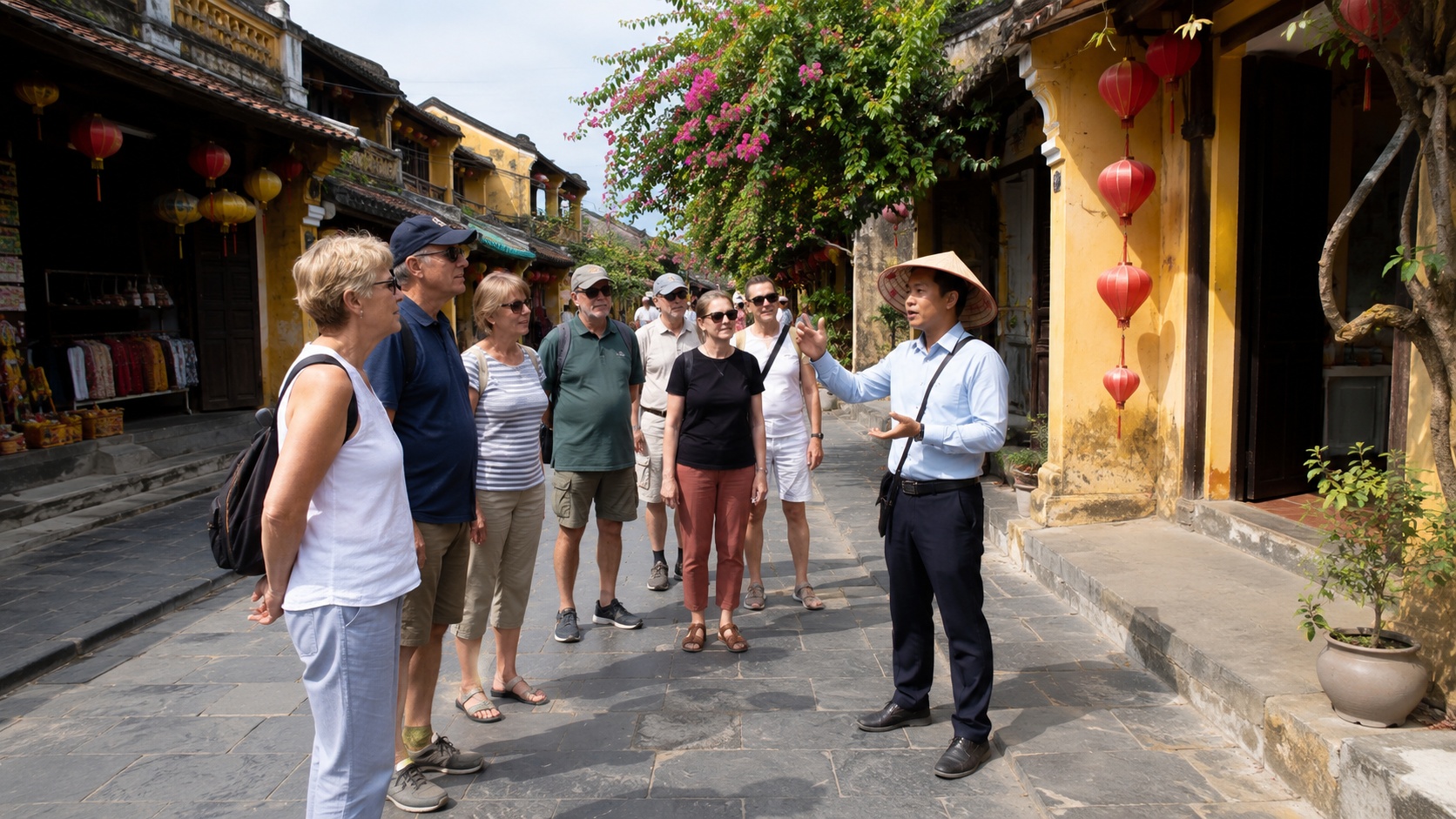
Yes, independent travelers can explore Hanoi on their own. However, a local guide is useful for first-time visitors, especially for cultural context, food choices, and movement through busy areas.
Should a Hanoi tour start very early?
It is not required, but morning starts are often more comfortable. In hot seasons, early morning and late afternoon are better for outdoor activities.
What should I prepare for a walking-heavy Hanoi tour?
Comfortable shoes, water, a light jacket or small umbrella depending on the season are helpful. For cultural sites, respectful clothing is recommended, especially at temples and formal places.
Will rain ruin a Hanoi tour?
Not necessarily. The itinerary can shift to museums, cafés, food experiences, or indoor cultural sites. Private tours are usually more flexible when weather changes.
Should I book Hanoi Tours before arriving in Vietnam?
Booking in advance is recommended during peak seasons, for English-speaking guides, family travel, or customized routes. Early planning helps secure better timing, pacing, and experiences.
A memorable Hanoi tour is not measured by how many places travelers visit, but by how they feel when the day ends. If visitors still have energy, understand the city better, enjoy food that suits them, and keep a few personal moments, the itinerary has worked well. Hanoi is best explored with curiosity, but also with a little smart preparation.
Tradition Việt can help design Hanoi Tours based on practical experience, length of stay, travel season, walking comfort, dietary needs, and onward travel in Vietnam. Talk to a Vietnam travel advisor to avoid common mistakes and enjoy a Hanoi day that feels smoother, lighter, and more personal.
TVEN-EN-20260509-5