
A Vietnam trip often looks easy on paper because the country offers so many tempting highlights in one long, narrow line. Hanoi, Ha Long Bay, Ninh Binh, Hue, Hoi An, Ho Chi Minh City, beach stays, mountain landscapes, local food, river life and cultural heritage can all appear within the same planning window. That richness is exactly what makes Vietnam exciting, but it is also why many first drafts become too dense. Some travellers book international flights first and only later think about the climate, travel distances, recovery time and the real energy of their group. When the planning sequence is reversed, the whole journey usually becomes more comfortable.
Useful Vietnam travel tips are not limited to a checklist about money, SIM cards or what shoes to pack. The deeper value comes from understanding how the country actually works as a travel destination: the difference between regions, the time it takes to move well, the kind of days that feel smooth instead of rushed, and the experiences that suit each travel style. Once those foundations are clear, the itinerary begins to make sense. You stop trying to fit every famous name into one holiday and start shaping a trip that feels coherent, enjoyable and personal from the first arrival to the final departure.
Start with the right planning foundation
The opening stage of planning shapes the quality of the entire journey. When the foundation is chosen well, later decisions become more coherent, from regional focus and timing to travel pace and the number of nights in each stop.
Build your trip around experiences, not around a checklist of cities
One of the most practical Vietnam travel tips is to stop planning from the map alone. A better starting point is the mood you want from the journey. Some travellers want slow mornings, beautiful hotels, memorable dinners and time to walk. Others want scenery, light adventure, easy hikes, caves, countryside roads or a stronger cultural rhythm. When you define the feeling of the trip before the list of places, decisions become easier. You can then choose destinations that support that mood instead of collecting names simply because they are famous or because they appear in every generic route online.
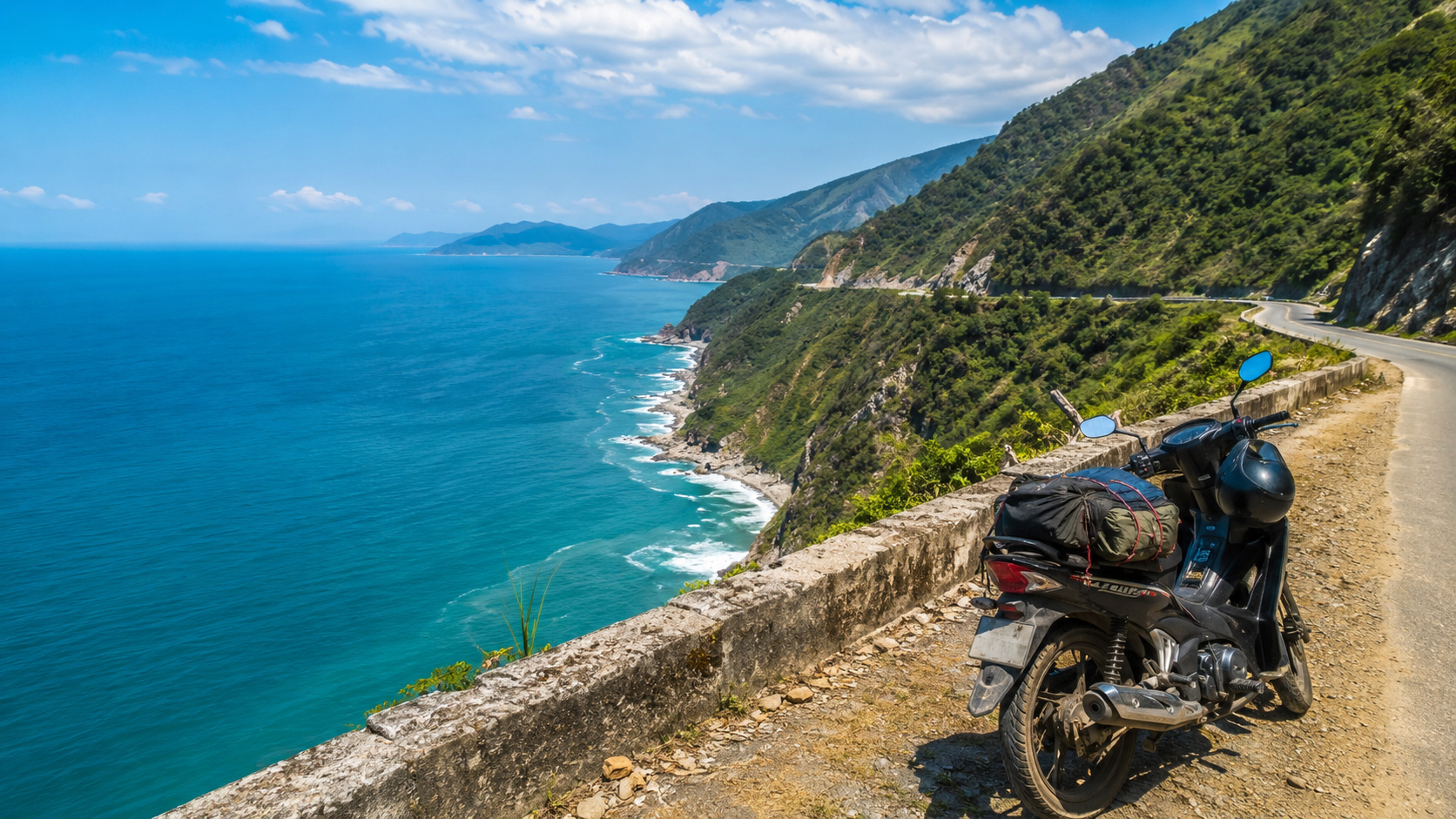
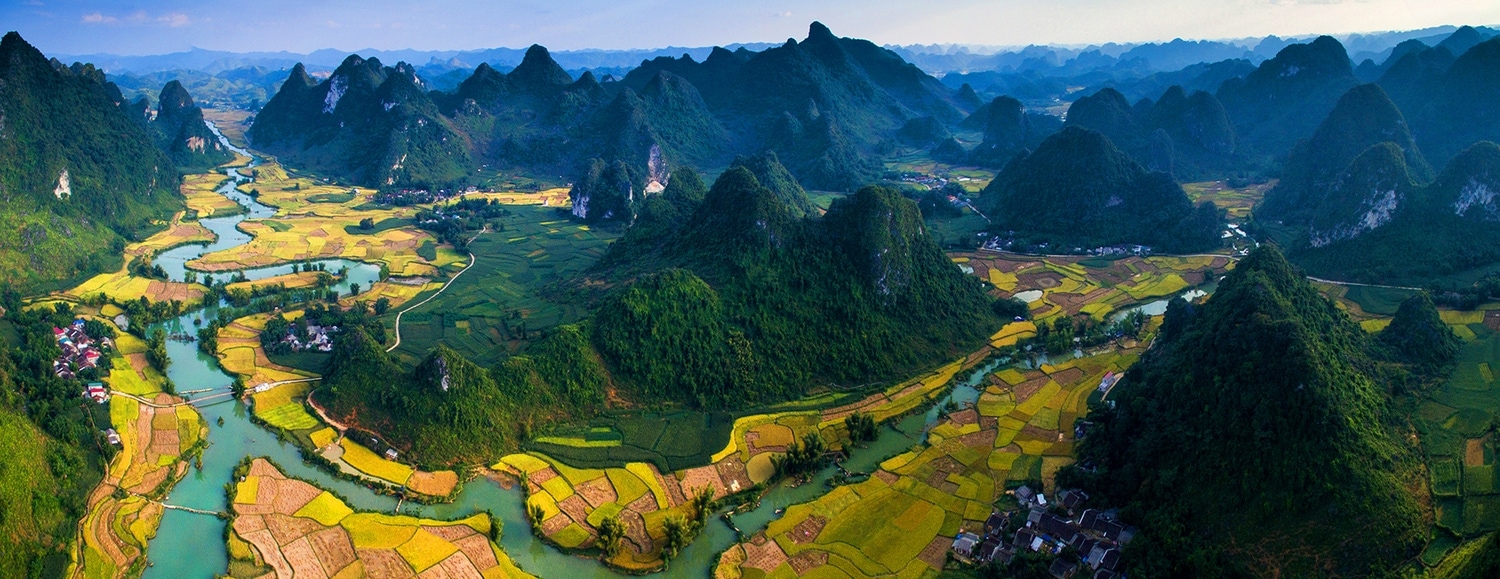
A useful method is to divide the holiday into layers of experience: city and culture, nature or sea, and enough pause to absorb both. That makes the route more realistic. Hanoi and Ho Chi Minh City deliver urban energy in very different ways. Ninh Binh brings landscape and calm. Hue and Hoi An offer heritage with a softer pace. Beach destinations suit some stages of the trip better than others. When the route follows a clear experiential thread, travellers usually remember the journey as balanced and rich rather than busy and fragmented.
Choose timing according to your priority region
Vietnam does not behave like a destination with one perfect month for everything. The north, central coast and south respond differently across the year, which is why timing should always begin with your priority region. If the emotional centre of the holiday is the north, you may care most about comfortable walking weather, clear scenery and manageable humidity. If your focus is the coast, you will look more closely at beach conditions, sunlight and how much downtime you want between moving days. If your route is mostly southern, the conversation shifts again toward heat, showers and the best structure for urban and delta experiences.
This regional approach is far more helpful than searching for a single answer to the question of when to visit Vietnam. The strongest itineraries are not built around an imaginary flawless month for the whole country. They are built around the part of the country that matters most to you, then adjusted so the rest of the trip works around it. That is how timing becomes practical rather than theoretical. It also helps you avoid disappointment, because expectations are set according to the realities of each region instead of a generic promise that every stop will feel identical.
Match the route to the real stamina of your group
A beautiful itinerary can still feel tiring if it ignores the actual stamina of the people taking it. Vietnam offers domestic flights, scenic road journeys, trains, boats and private transfers, but too many changes in a short time can quickly drain the pleasure from the holiday. That is why strong Vietnam travel tips always include an honest conversation about pace. Think about age range, morning habits, tolerance for heat, walking comfort, food flexibility and how often your group is happy to change hotels. Those details matter more than many travellers expect, especially once the trip is no longer just an idea but a sequence of real days.
Families with young children or grandparents often do best with fewer hotel changes, easier transfer days and properties in genuinely convenient locations. Couples may value atmosphere, privacy and room for unplanned moments. Friends can usually move faster, but even energetic groups enjoy the country more when every day is not overloaded. A well-paced itinerary does not feel empty. It feels breathable. That breathing room is what allows meals to become memories, landscapes to stay with you and unexpected encounters to feel like part of the trip rather than an inconvenience squeezed between fixed appointments.
Use smart on-the-ground decisions to keep the trip smooth
Once you are actually in Vietnam, the difference between an acceptable trip and a deeply comfortable one often comes from practical choices. Booking order, food rhythm, movement style and the right moment to ask for local help all influence the experience directly.
Book in the right order instead of booking everything at once
Once your travel window is clear, the order of bookings has a direct effect on how stable the whole plan becomes. Long-haul flights and major regional transfers usually deserve attention first, followed by the hotels or cruises that shape the trip most strongly. If your route includes a premium small hotel, a resort in a popular season or an overnight cruise, those core pieces should be secured before flexible activities. Travellers who book everything in random order often discover that one sold-out room type or one unavailable transfer forces the entire itinerary to be rebuilt around a detail that should have been decided earlier.
The rest of the holiday can stay more open. Food tours, spa sessions, cooking classes, coffee stops and some city activities can often be added later without damaging the structure of the trip. The healthiest itineraries always contain a hard layer and a soft layer. The hard layer protects the logistics that truly matter. The soft layer leaves room for recovery, weather adjustments and spontaneous choices. That balance keeps the journey organised without making it rigid, and it is one of the clearest differences between a trip that feels controlled and one that feels tense.
Move through Vietnam with local awareness and good sense
Comfort in Vietnam is shaped not only by where you stay, but also by how you move through the destination. In bigger cities, traffic patterns can look intimidating on the first day. Traditional neighbourhoods, local markets and lively street-food areas offer some of the country’s best moments, but they reward travellers who observe before rushing in. Walking a little slower, choosing reliable services, checking prices in advance when needed and keeping a calm attitude in crowded spaces all help. Vietnam is generous to curious visitors, yet the experience becomes much easier when that curiosity is paired with patience and awareness.
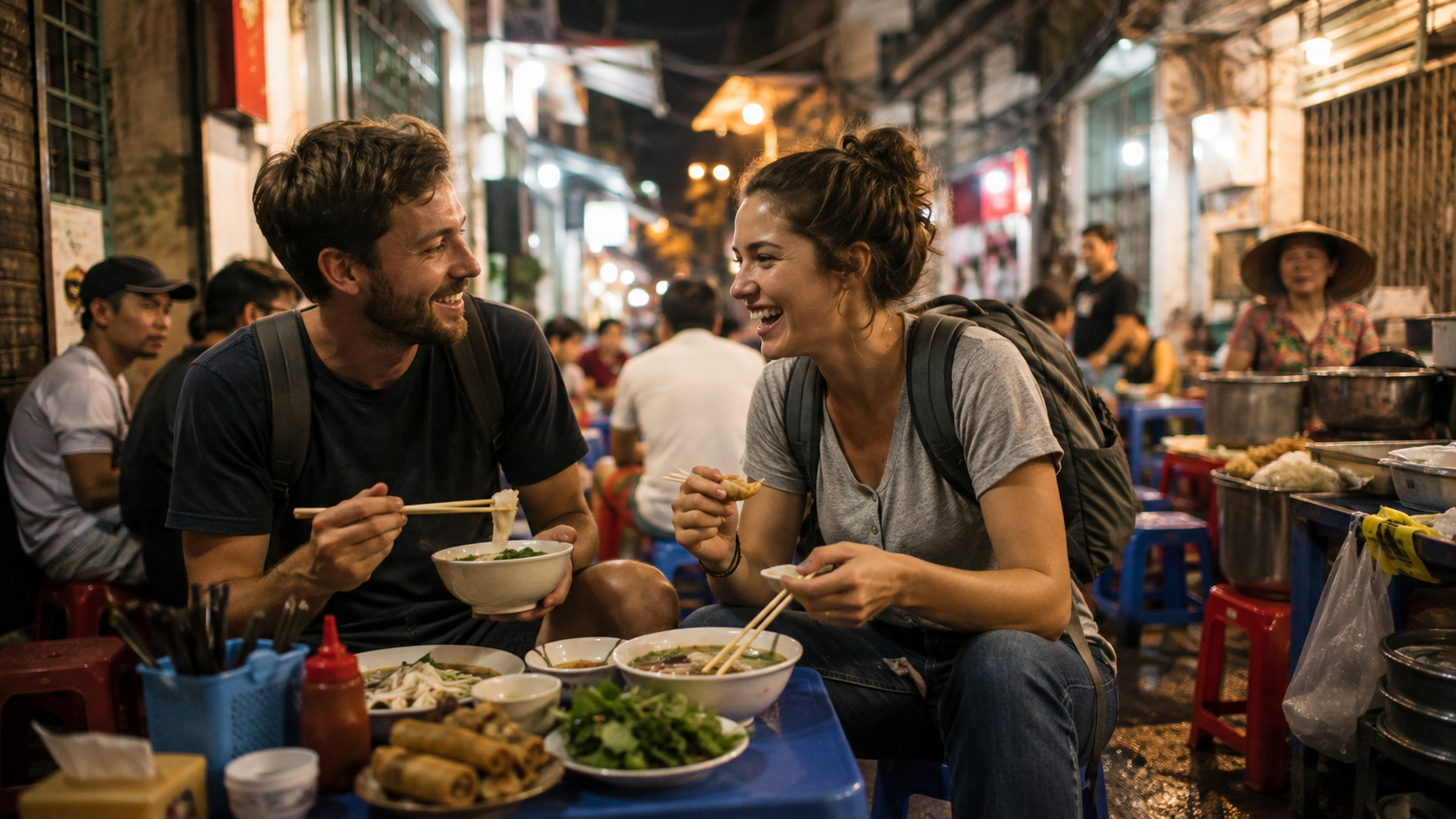
Food is another area where balance matters. Vietnam’s cuisine is one of the great joys of the trip, but energy stays higher when you combine discovery with rhythm. You do not need every meal to be adventurous. A simple breakfast, enough water, some midday rest in very warm weather and one carefully chosen dinner can often do more for the quality of the journey than trying twenty things in two days. Small decisions like these reduce fatigue and help travellers feel present. The result is a trip that feels warm, manageable and deeply enjoyable instead of exciting but exhausting.
Know when a local specialist can make the difference
Not every holiday needs a highly customised plan, but some trips clearly benefit from local expertise. If you are travelling for many days, moving through several regions, coordinating multiple generations, looking for hotels with strong character or trying to combine rest with deeper cultural experiences, professional guidance can save both time and frustration. A local specialist sees practical issues that first-time planners often miss: whether a transfer day is too ambitious, which hotel area works better for evening walks, where an extra night will improve the flow, or which stop is better removed entirely.
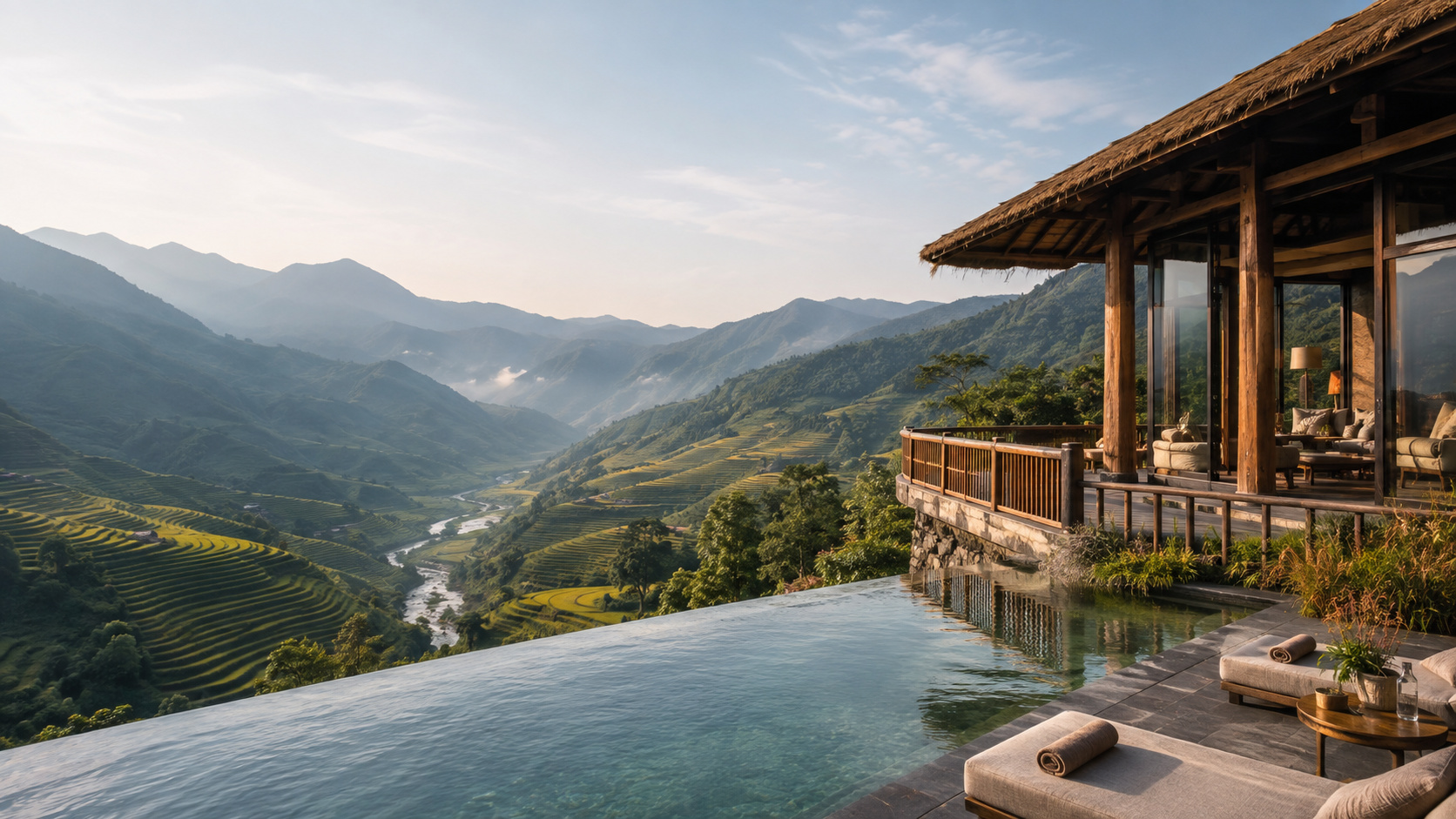
That support becomes even more valuable when you want the trip to feel personal instead of generic. Some travellers want quiet riverside evenings. Some prefer elegant boutique properties with atmosphere. Some need private transport because the group includes children. Others have only one short holiday window and need every day arranged carefully. When those priorities are clearly explained from the start, the trip can be built around them rather than around a template. That is when Vietnam travel tips stop being abstract advice and become a journey that fits your real expectations.
If you already know your travel dates and a few places you would love to include, this is the right moment to discuss the route with a local advisor and turn broad ideas into a balanced plan.
Travel with more confidence
Vietnam rewards travellers who prepare carefully but still leave room for the country to unfold naturally. With the right regional focus, a realistic pace and bookings made in the right order, the journey feels far smoother. If you want to combine cities, nature, culture and rest in a way that suits your holiday, Tradition Việt can help you shape a tailored itinerary with clear costs and local guidance.
FAQ
How many days are ideal for a first Vietnam trip?
Around 10 to 14 days is often a good balance. With less time, it is usually better to focus on two or three regions instead of trying to cover the whole country.
Should I include many domestic flights?
Only where they genuinely improve the route. Too many flights can make the holiday feel fragmented and tiring, especially for families.
Is it better to stay in central locations?
Often yes, particularly in cities where walking, dining and short evening outings matter. For pure relaxation, a quieter location may work better.
Do I need to book key experiences early?
Yes. Cruises, small high-demand hotels and certain premium stays should be booked earlier than flexible activities such as spa visits or short tours.
When is it worth asking for local trip planning support?
It is especially useful for multi-region routes, family travel, limited holiday windows or trips that need a more personalised balance of comfort and experience.
Plan your trip with Tradition Việt
Send us your expected travel dates, number of travelers and main wishes to receive itinerary advice and a suitable quote from Tradition Việt.
📞 Hotline: (+84)967 04 88 91 / (+84)376 304 008
📧 Email: info@traditionviet.com
Address: CT2A, Hanoi Homeland, Thuong Thanh Ward, Long Bien District, Hanoi.