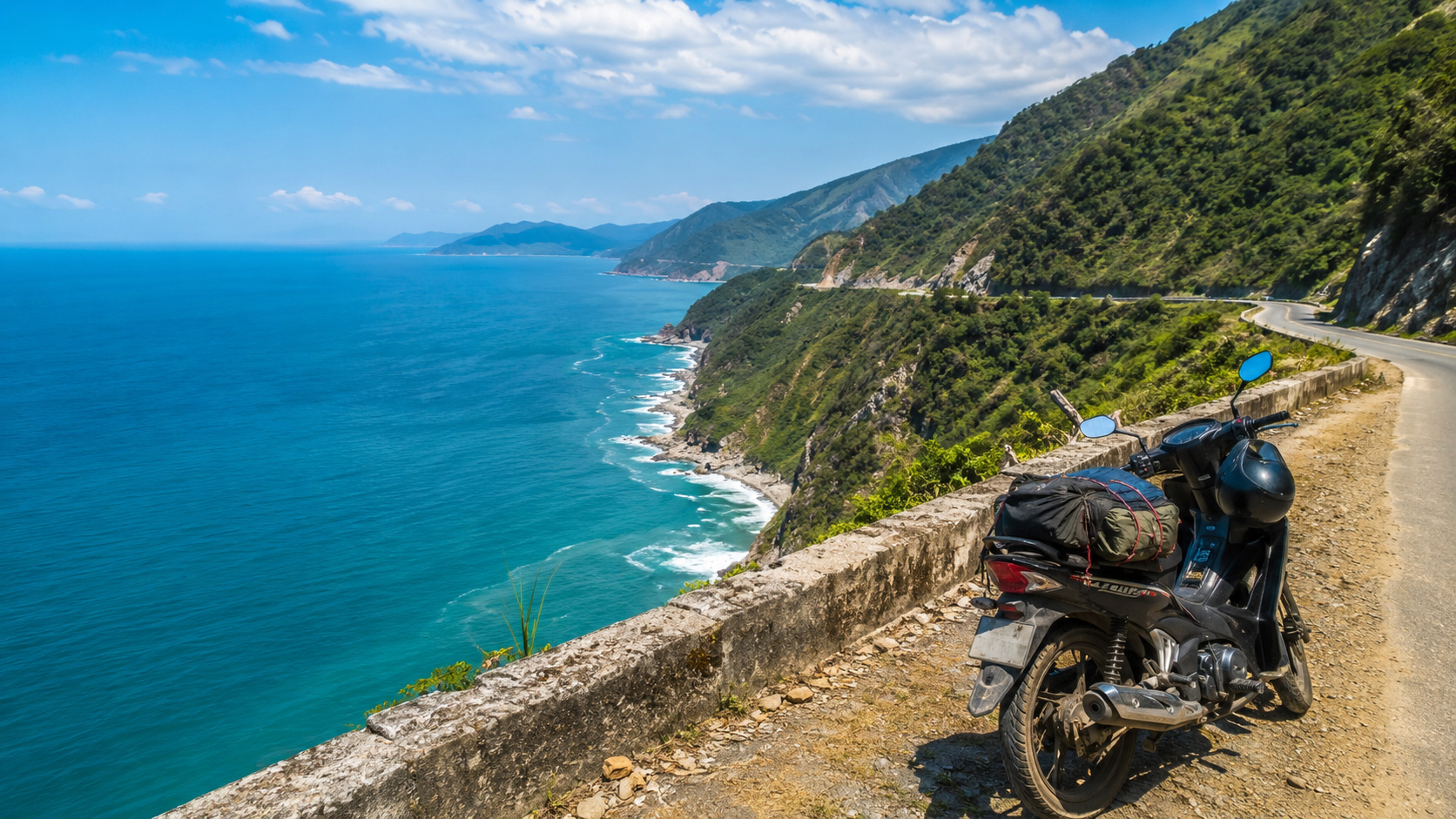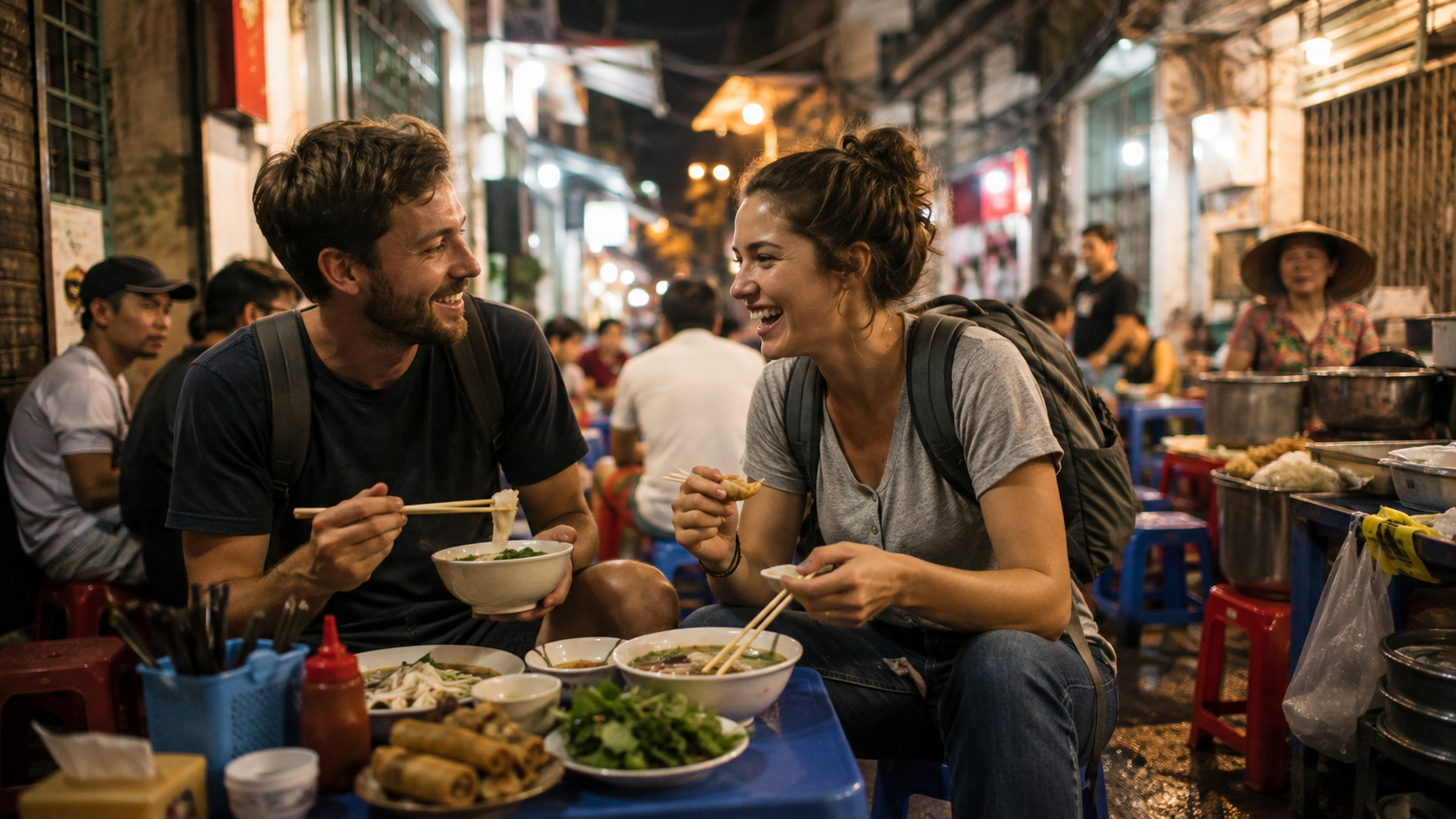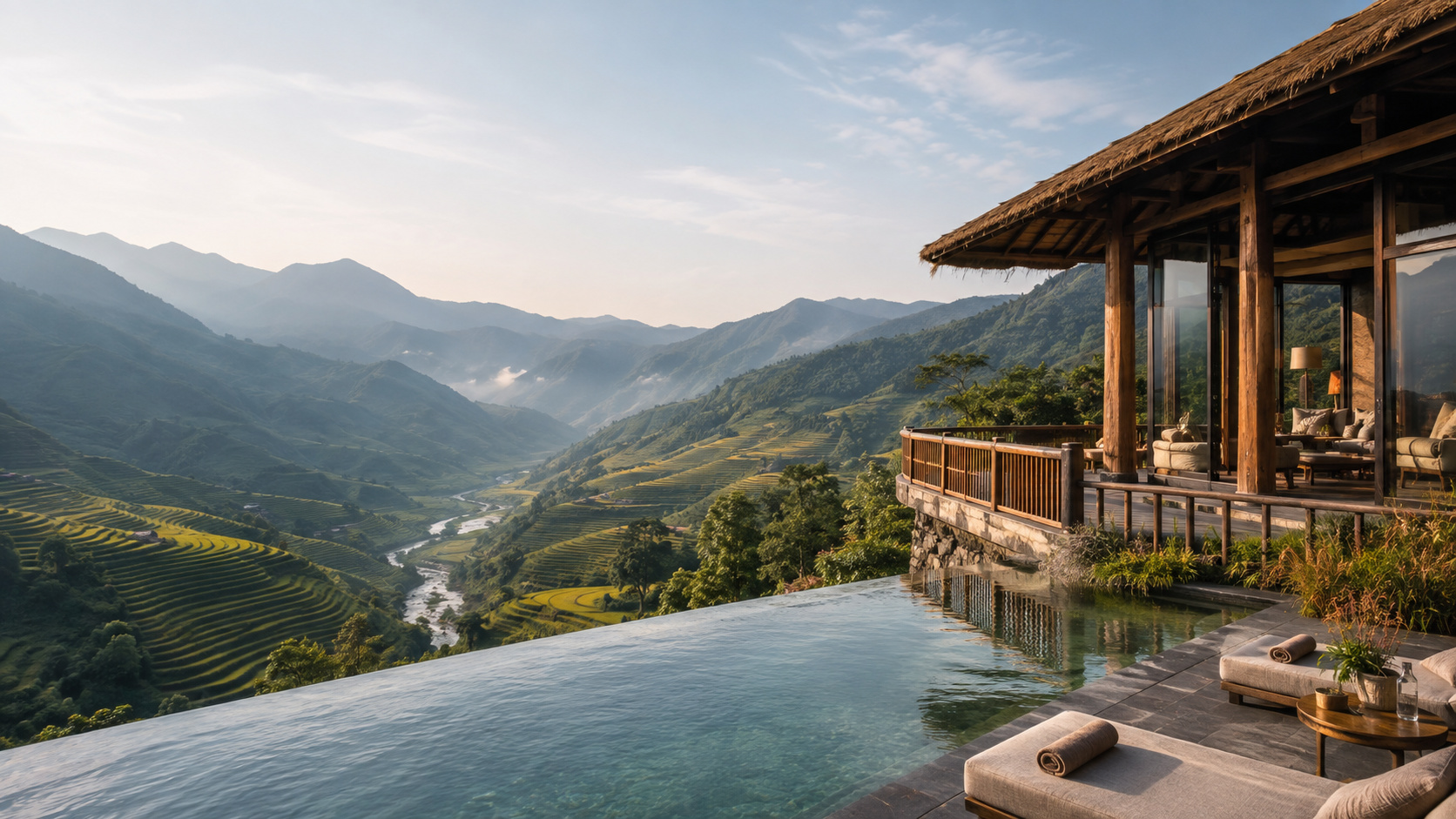

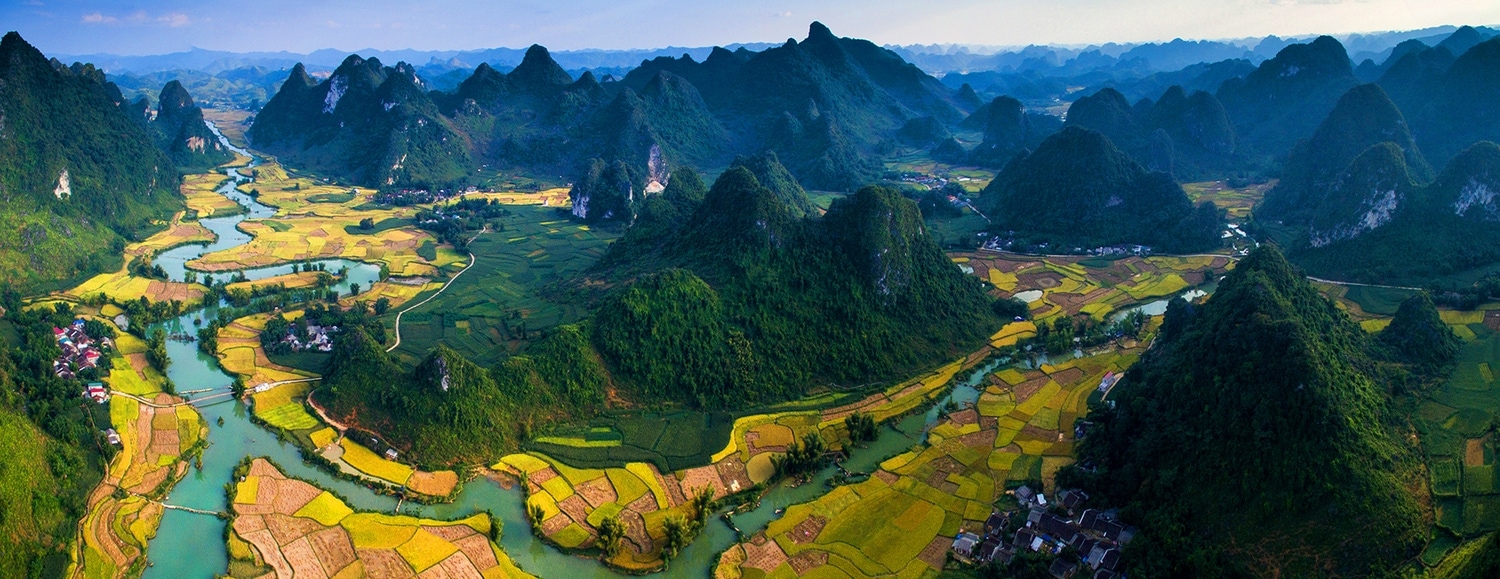
Some things only become clear once you are physically in Vietnam. Maps, glossy images and neat itineraries tell one part of the story, but the real experience often depends on smaller details: what time a street feels best on foot, when it is wiser to rest than to push onward, which neighbourhood is truly more convenient than it appears on a map, what kind of meal suits you after a long flight, or which transfer deserves a private car simply to protect your energy. Those observations rarely dominate brochures, yet they often decide how the trip actually feels.
That is why real travel experience matters so much inside a strong set of Vietnam travel tips. It does not replace planning, but it adds the practical layer that many long-distance travellers do not yet have. When you look at the holiday through field experience, you start to understand why apparently small pieces of advice can improve comfort so dramatically. The aim is not to make you overly cautious. It is to help you enjoy Vietnam intelligently, lightly and with more depth once you are already there.
Practical realities that make the trip feel better on the ground
Field tips rarely sound as glamorous as major highlights, yet they strongly influence comfort. They affect how you spend energy, how you move and how well you read the real situation of a destination once you are there.
Do not judge a day only by kilometres on the map
In Vietnam, two places that look close on a map do not always feel like an easy day in real life. Traffic density, time of day, hotel access, the final walking section and the heat can all change the experience significantly. One of the most useful field tips is therefore to stop looking only at distance and start looking at effort. How long will the movement really take? How much energy will it cost? What kind of experience do you want immediately after you arrive? A beautiful visit often feels much less beautiful when you reach it already drained.
This matters especially in large cities or on days with more than one activity. Some places are better in the early morning, some are far kinder in the late afternoon, and some attractive hotels quietly create inconvenience every time you leave and return. Field experience teaches a simple lesson: “nearby” is not the same as “easy to live with.” When you judge each movement by its real impact rather than its visual distance, decisions become wiser and your energy is preserved for the parts of Vietnam that will stay with you longest.
Give each day one or two real highlights, not five
One of the most effective field tips in Vietnam is to stop trying to make every day feel climactic from morning until night. Once you are on the ground, you will keep discovering extra cafés, streets worth walking, viewpoints worth lingering at, food suggestions, local shops and moments that were never part of the original plan. If the schedule is already full of three or four major appointments, those discoveries become impossible to welcome. The holiday starts to feel like a task list rather than an alive experience.
Choosing one or two major highlights gives a day more depth. A strong morning for landscape or heritage, followed by a softer afternoon for coffee, rest, shopping, a spa or an unhurried meal, often creates a more complete memory than a packed sequence of attractions. These lighter spaces do not make the day less valuable. They are often the spaces where Vietnam enters the journey most naturally. In retrospect, travellers often remember the atmosphere around those well-proportioned days more vividly than the number of boxes they ticked.
Returning to the hotel for a rest is not wasted time
Many travellers feel guilty about going back to the hotel in the middle of the day because they imagine they are losing precious holiday hours. In Vietnam, especially during warmer periods or after several moving days in a row, a short rest can rescue the entire evening. It gives the body time to cool down, rehydrate, change clothes and regain enthusiasm for dinner or a night activity. Travellers who push continuously from breakfast to bedtime often discover by the third or fourth day that the trip no longer feels light, even though the route looked manageable at the start.
This is one reason hotel location has such practical value. If returning is easy, the city becomes easier to enjoy. Even one quiet hour in an air-conditioned room can transform the quality of the rest of the day. Field experience shows again and again that resting at the right moment does not weaken a holiday. It makes the holiday sustainable. That sustainability is what lets you notice more, enjoy more and remain genuinely present instead of simply efficient.
Subtle details that create a major difference in quality
Beyond logistics and timing, trip quality also depends on subtler decisions: when to eat in the right way, how to use local suggestions and how soft to keep the schedule so the best moments still have room to appear.
Eat according to your body, not only according to the must-try list
Vietnam offers so many famous dishes that first-time visitors can easily feel they need to chase them all at once. Real experience suggests a better method: match food choices to how your body feels that day. After a long-haul flight, a transfer-heavy morning or a very hot afternoon, lighter meals can often serve you better than a chain of rich or intense dishes. If you follow a “must-try” list too literally, eating may turn into pressure instead of pleasure. It is usually wiser to let appetite, weather and energy guide the moment.
There are evenings when a long, memorable dinner is absolutely right. There are also days when a simple, satisfying meal helps the next morning far more. Vietnam is rich enough that you do not need to rush through all its flavours in two days. The strongest culinary memories often come not from quantity, but from choosing the right meal at the right time. This is a humble field tip, but it affects stamina, mood and the entire travel rhythm across a multi-stop journey.
A local point of view can save you time every single day
Once you are on the ground, one well-judged local suggestion can improve a whole day. It may be as simple as visiting a neighbourhood in the morning instead of late afternoon, changing the order of two activities to suit the weather, skipping an overfilled attraction at a crowded hour or choosing a dinner area that makes the return to your hotel easier. These changes sound small, yet they can create a major shift in comfort and coherence. On-the-ground quality is often built through exactly this kind of small adjustment.
This is why many travellers value having a reliable local contact throughout the journey, even when the route itself was planned well in advance. Vietnam is full of nuance, and those nuances change with heat, weather, traffic, visitor density and your own daily energy. A local perspective helps you make quick decisions without turning the trip into constant improvisation. It is quiet support, but very high-value support.
Keep the itinerary beautiful, but do not let it become rigid
A beautiful itinerary creates confidence, yet if you hold it too tightly you may miss some of the most rewarding moments. A sky may clear unexpectedly. A place may charm you more than you imagined. A quiet riverside café may feel worth an extra hour. These small changes are not signs that the plan is failing. They are often signs that the trip is actually alive. Real travel experience shows that the best itineraries are solid enough to keep direction but soft enough to welcome what appears along the way.
This softness depends on how the trip was designed from the start. If every day is compressed, you lose the ability to respond to reality once you arrive. If each stage contains some breathing room, you can adjust without damaging the route. That flexibility matters in Vietnam more than many travellers expect, because so much of the country’s charm lives not only in major monuments or famous landscapes, but in atmosphere, timing and the simple pleasure of staying a little longer where life feels good.
If you want a route that works not only on paper but also in real conditions, it helps to review the itinerary through the lens of field comfort and on-the-ground decision making.
Travel with more confidence
Memorable trips are often shaped by many small decisions made well. Seeing Vietnam through real travel experience helps you avoid unnecessary fatigue and protect your enthusiasm all the way through the journey. Tradition Việt can help you design a route that is not only attractive on paper, but genuinely comfortable to live day by day.
FAQ
What is the most useful field tip in Vietnam?
Do not judge a day only by sightseeing quantity. Look at the energy each movement and activity will actually require.
Is going back to the hotel during the day a bad use of time?
Often the opposite. A short rest can improve the entire evening and the next day as well.
Should I keep the itinerary very strict?
Not too strict. A good route should allow some flexibility for weather, energy and unexpected discoveries.
How should I choose meals during the trip?
Match them to your real energy and the conditions of the day, not only to a fixed must-try list.
Why is local support useful during the trip itself?
Because small local adjustments in timing, route order and neighbourhood choice can improve comfort far more than travellers expect.
Plan your trip with Tradition Việt
Send us your expected travel dates, number of travelers and main wishes to receive itinerary advice and a suitable quote from Tradition Việt.
📞 Hotline: (+84)967 04 88 91 / (+84)376 304 008
📧 Email: info@traditionviet.com
Address: CT2A, Hanoi Homeland, Thuong Thanh Ward, Long Bien District, Hanoi.